
VOWING to introduce a reciprocal tax if elected to power, former US president Donald Trump alleged that India, among all major countries, imposes the highest tariffs on foreign products.
“Perhaps the most important element of my plan to make America extraordinarily wealthy again is reciprocity. It's a word that's very important in my plan because we generally don't charge tariffs. I started that process, it was so great, with the vans and the small trucks, etc. We really don't charge. China will charge us a 200 per cent tariff. Brazil is a big charger. The biggest charger of all is India,” Trump said in a major economic policy speech in Detroit.
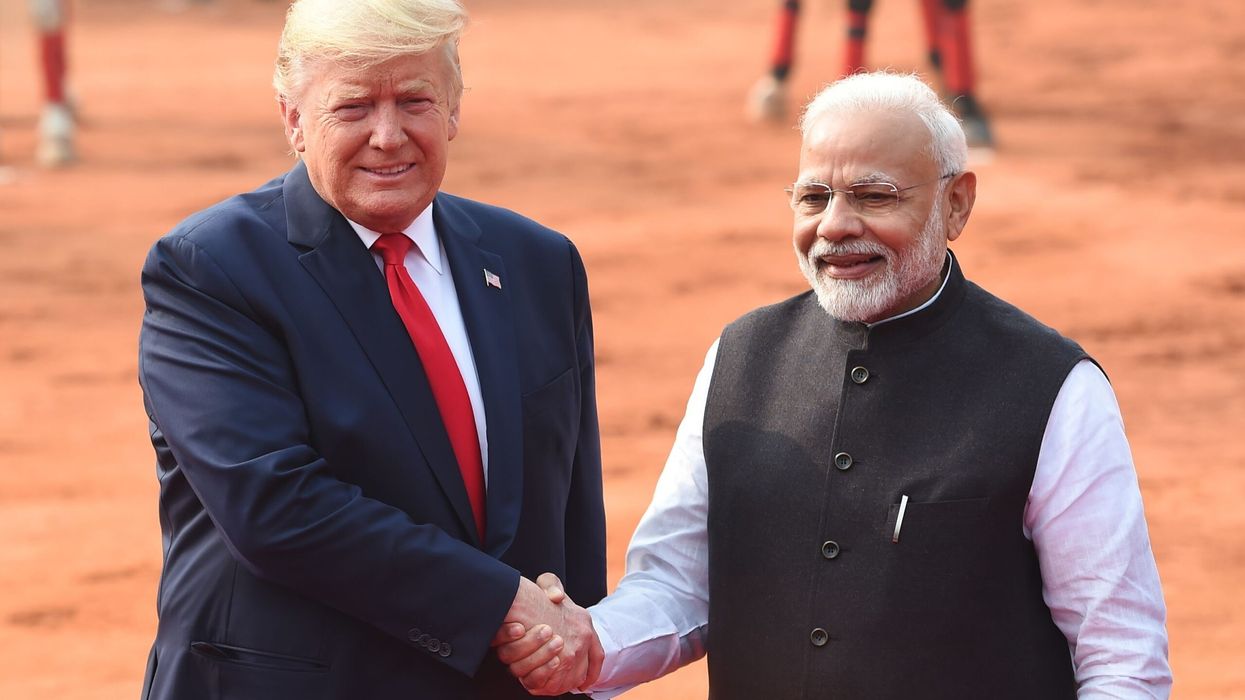
“India is a very big charger. We have a great relationship with India. I did. And especially the leader, Modi. He's a great leader. Great man. Really is a great man. He's brought it together. He's done a great job. But they probably charge as much."
Trum added, “I mean, I think they probably charge more than, in many ways, China. But they do it with a smile. They do it... Sort of a nicer charge. They said, thank you so much for purchasing from India. Harley Davidson came to the White House a long time ago during my third year or second year. I met with them. They were based in Wisconsin. I said, how's business? Good, good. What are the bad countries? Well, India is very tough. And they gave me some others. Why? Tariffs. I said, what are they? And they said like 150 per cent, some massive amount."
Trump told the members of the Detroit Economic Club, “I said so do you sell many motorcycles because you think people want to buy a Harley. No, we sell very few in India, but they want us to go there. They said, if you go there and build your plant there, we're not going to charge you anything. I mean, you can do whatever you want. I said I don't like that. And I see they went, they built the plant, and now they do their business with India. They probably do it outside of India too. They built a very big plant in many countries, they do that. Then all of a sudden, you hear that they're leaving Milwaukee or they're leaving wherever they may be located."
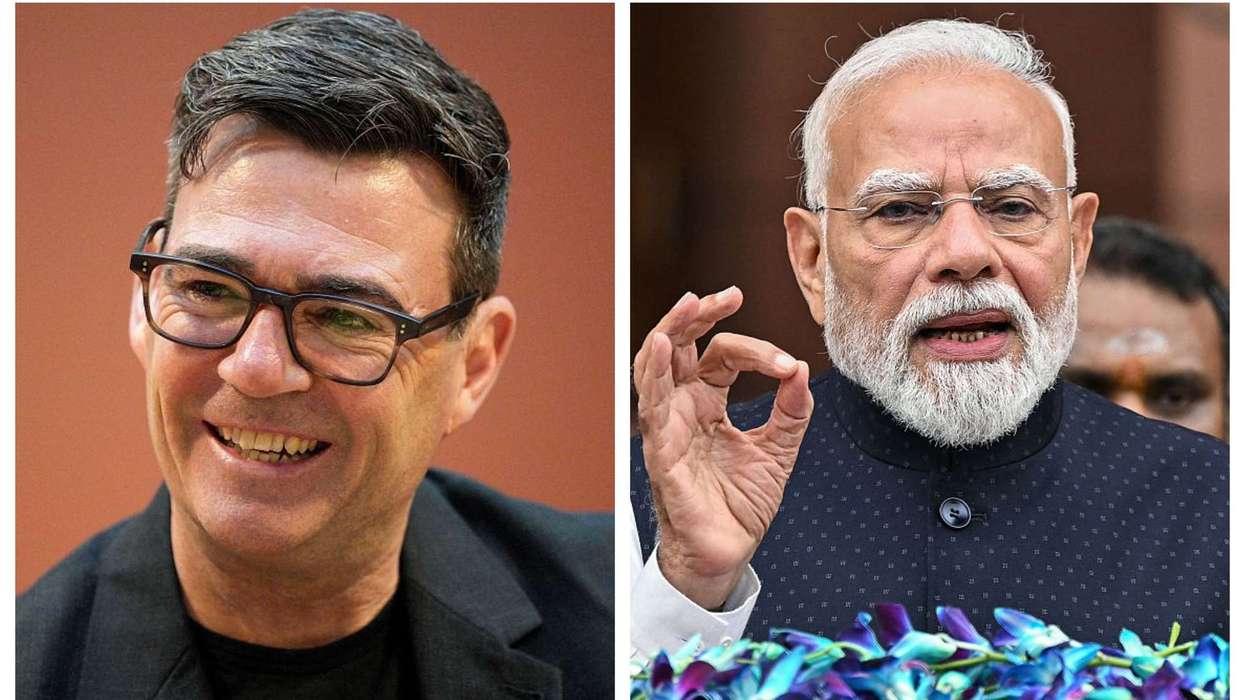
These remarks by Trump come following his praise for prime minister Narendra Modi earlier this week.
Trump described Modi as “the nicest human being”, saying the Indian leader is “a friend of mine”.
“Modi, India. He’s a friend of mine. He’s great. Before him, they were replacing them every year. It’s very unstable. He came over. He’s a friend of mine. But on the outside, he looks like he’s your father. He’s the nicest, but he’s a total killer,” he said.
Trump recalled Modi’s visit to Houston in 2019 to attend the ‘Howdy Modi’ event during his tenure and said: “It was beautiful. It’s like 80,000 people going crazy. We were walking around.”
The Republican candidate said he shared a “very good relationship” with Modi.
(PTI)