
Diwali is more than just a festival; it is a manifestation of unity in diversity, a celebration that venerates the diversity of traditions and the communal spirit. Each illuminates the essence of the festival in its unique way. Let’s delve into the vibrant festivities of Punjab.
In Punjab, the festival of Diwali coincides with the joyous celebrations of Bandi Chhor Diwas, a significant event in Sikh history. Both festivals are marked by the illumination of homes, gurudwaras, and streets, accompanied by gift-giving, bursting of firecrackers, and lavish feasts.
Diwali and Bandi Chhor Divas: A symphony of lights and celebrations
Punjab, a land of vibrant culture and rich heritage, transforms into a dazzling spectacle during Diwali and Bandi Chhor Divas, two momentous occasions celebrated with unparalleled fervour. The fusion of these festivals ignites the spirit of joy, unity, and gratitude.
A festival of lights and spiritual significance
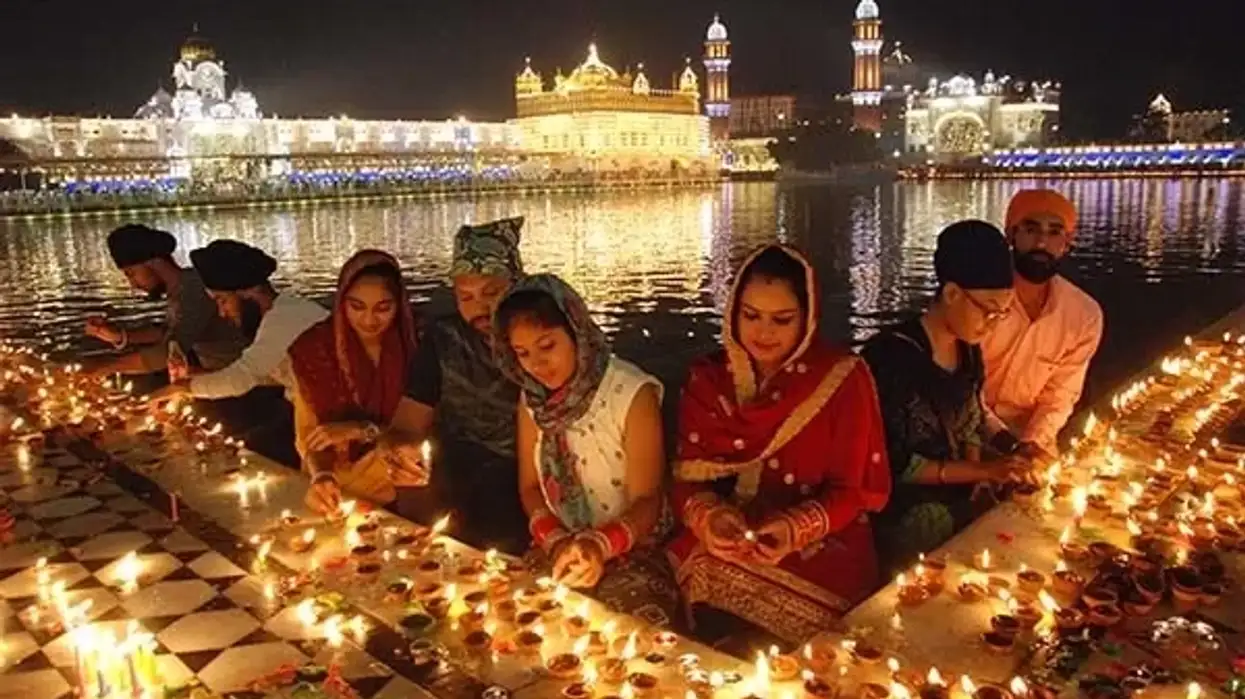
Diwali, the Festival of Lights, holds immense spiritual significance for Punjabis. It marks the triumph of light over darkness, symbolising the victory of good over evil. Homes, gurudwaras, and streets are adorned with countless diyas, or oil lamps, transforming the landscape into a mesmerising canvas of illumination.
For Punjabi Hindus, Diwali is a special occasion dedicated to the worship of Goddess Lakshmi, the divine embodiment of wealth, prosperity, and auspiciousness. Devotees pray to Lakshmi, seeking her blessings for abundance and good fortune in the coming year. The cleansing of homes and the preparation of elaborate feasts further enhance the festive spirit.
Bandi Chhor Divas: A remembrance of Sikh history
Bandi Chhor Divas, the Day of Liberation, commemorates the release of Guru Hargobind Singh, the sixth Sikh Guru, from a Mughal prison. This historic event holds immense significance for the Sikh community, symbolising the triumph of faith and the resilience of the human spirit.
During Bandi Chhor Divas, Sikhs gather at gurudwaras, or Sikh temples, for special prayers and ceremonies. The Golden Temple, a revered Sikh shrine in Amritsar, transforms into a mesmerising spectacle, with its majestic architecture adorned with thousands of dazzling lights. The surrounding streets are also illuminated, creating an atmosphere of unparalleled joy and devotion.
A fusion of traditions and celebrations
The convergence of Diwali and Bandi Chhor Divas creates a unique blend of traditions and celebrations. The radiance of Diwali intertwines with the historical significance of Bandi Chhor Divas, weaving a tapestry of spiritual enlightenment and communal harmony.
The enchanting illumination of homes, gurudwaras, and streets echoes the triumph of light over darkness, while the bursting of firecrackers signifies the celebration of victory. Gift-giving, lavish feasts, and the exchange of greetings further enhance the festive spirit, fostering a sense of unity and camaraderie among the people.
A festival of hope and renewal
Diwali in Punjab is not merely a celebration of lights and festivities; it is a profound expression of hope and renewal. The cleansing of homes symbolises the removal of negativity and the ushering in of positive energy. The lighting of diyas represents the spread of knowledge and enlightenment, illuminating the path towards a brighter future.
The spirit of Diwali extends beyond the celebrations, inspiring acts of kindness and generosity. The distribution of sweets, food, and gifts to those in need embodies the values of empathy, compassion, and social responsibility.
A symbol of Punjab's vibrant spirit
Diwali and Bandi Chhor Divas are integral to the cultural fabric of Punjab, embodying the state's vibrant spirit, rich heritage, and deep-rooted traditions. As the radiant lights of Diwali illuminate the skies of Punjab, they also illuminate the hearts and souls of the people, fostering hope, renewal, and a shared celebration of joy and prosperity.
After the Diwali festival comes Govardhan Puja, which is celebrated to commemorate the day when Lord Krishna lifted the Govardhan Parvat to protect the villages of Vrindavan from torrential rains sent by Lord Indra. On this day, Annakut is prepared, which is a combination of 56 varieties (Chappan Bhog) of vegetarian food and sweets as a gesture of gratitude.

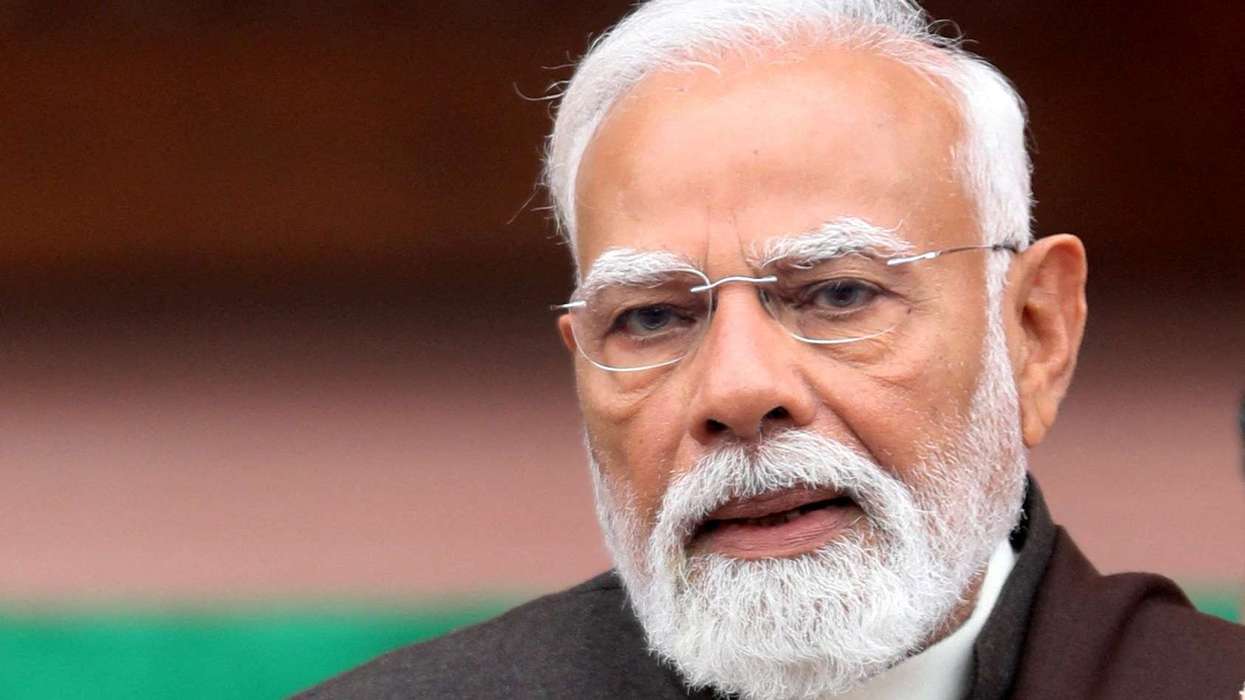

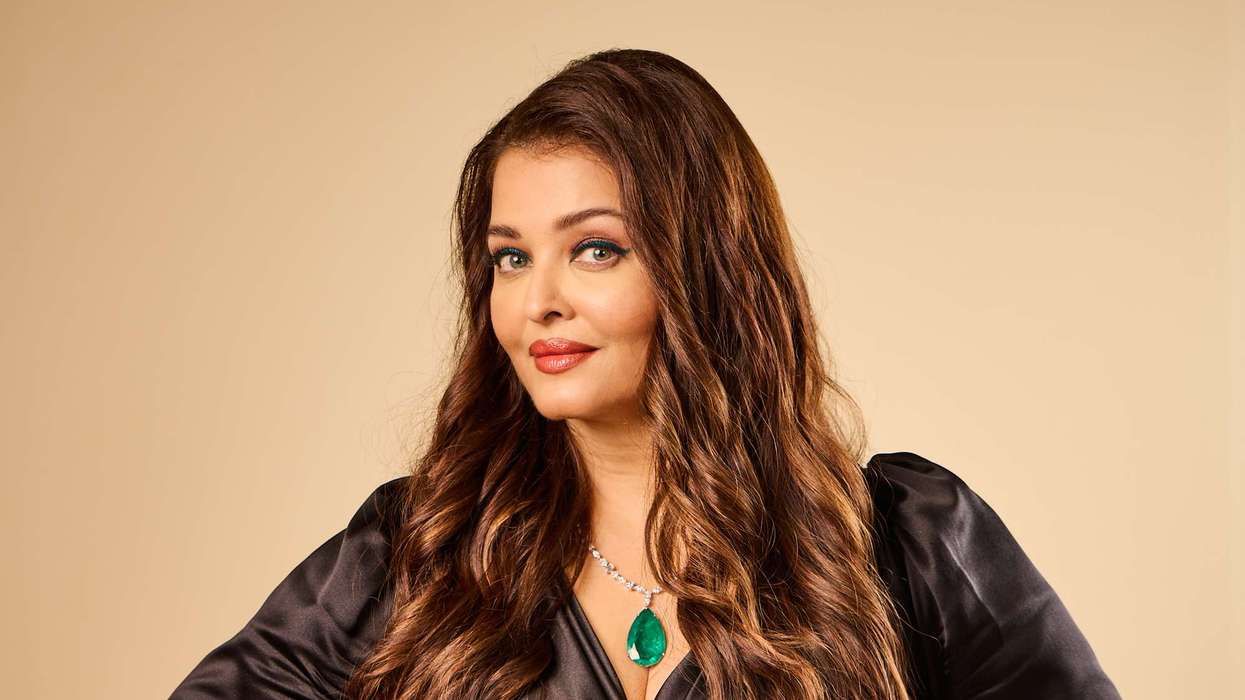 Regular appearances at Cannes and roles in crossover films positioned her Getty Images
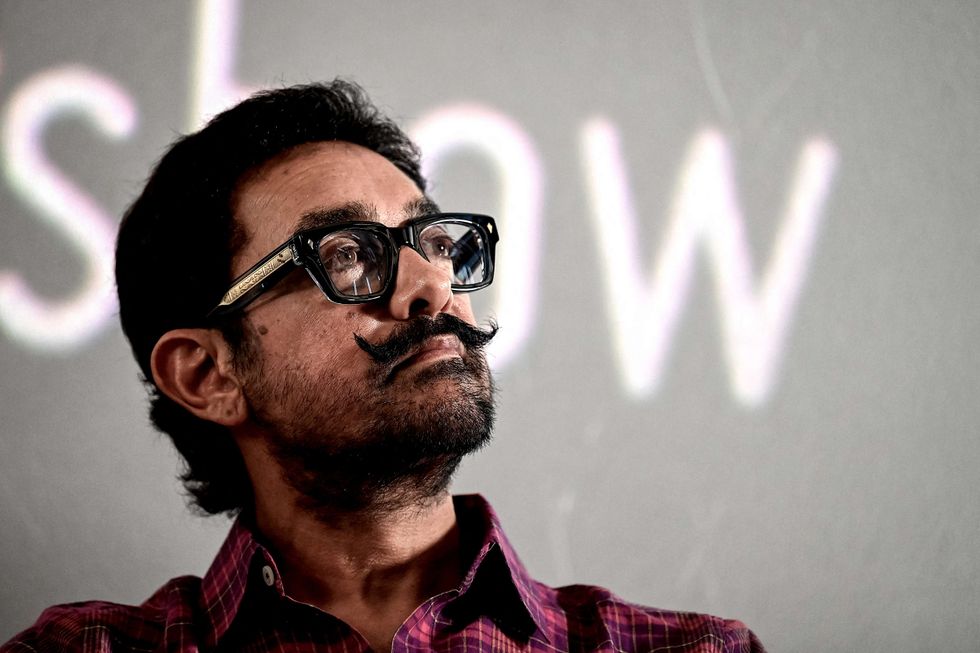 Films such as Lagaan and Dangal extended his influence internationallyGetty Images
 His work across independent films and major global productions made him oneGetty Images
 She represented a new phase where Indian actors became part of mainstream Western mediaGetty Images
 Her influence extended beyond films into broader cultural spacesGetty Images