Highlights
- Dhanush has spoken out against the AI-altered re-release of Raanjhanaa, calling it deeply disturbing.
- The modified version replaces the film’s tragic climax with a scene showing Kundan’s survival.
- Dhanush said the change was made despite his objections and “stripped the film of its very soul”.
- Director Aanand L Rai also condemned the use of AI, saying machines cannot replace real filmmaking.
- Both artists raised concerns about the growing use of AI to alter completed films without consent.
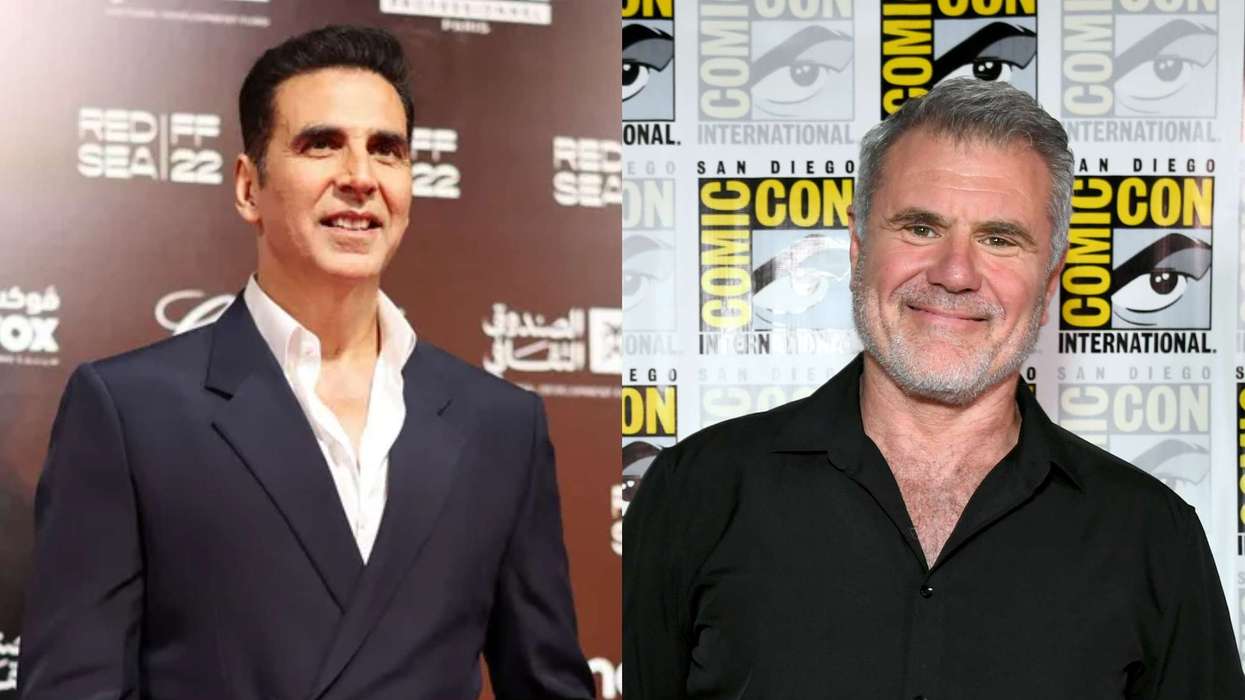
On Sunday, actor and director Dhanush released a statement across his social media platforms, criticising the decision to re-release his 2013 film Raanjhanaa with an AI-generated alternate climax.
The updated version, released on Friday, featured a significant narrative change — Dhanush’s character, Kundan, is shown waking up in hospital, altering the original tragic ending. Clips from the new version, which was created using artificial intelligence, quickly went viral on social media.
In his statement, Dhanush said:
“The re-release of Raanjhanaa with an AI-altered climax has completely disturbed me. This alternate ending has stripped the film of its very soul, and the concerned parties went ahead with it despite my clear objection. This is not the film I committed to 12 years ago.”
He added that the use of AI in this way sets a “deeply concerning precedent” for both artists and the art of storytelling, and called for stronger regulations to prevent similar future interventions.
 Criticising the decision to re-release his 2013 film Raanjhanaa X/ Dhanushkraja
Aanand L Rai: “Machines can’t create films”
The film’s director, Aanand L Rai, also spoke out against the AI re-edit in an earlier interview with THR India. He said the change undermines the creative process and artistic intent behind the original film.
“Fourteen years ago, we had no idea you wouldn’t even require actors to alter something like this,” Rai said. “Now, you think your machines can create films. Tomorrow, if somebody says that legally they can alter a film before it reaches the audience, what will happen?”
Rai said his concern was not limited to himself but for filmmakers across the industry. While he acknowledged that intellectual property rights may belong to production companies, he questioned the purpose of making such changes.
“They can release it, they can make more money out of it — not a problem. But why tamper?”
He added that the original climax had not been rejected by audiences and remains one of the film’s most memorable elements, highlighting Kundan’s inner journey and emotional rebirth in Varanasi.