THE death toll from the collapse of a decades-old four-storey building in India's financial capital Mumbai rose to 10 late on Tuesday (16), with at least eight injured, officials said, as rescue operations continued to remove those trapped in the rubble.
It was the second building collapse in Mumbai in 10 days, as monsoon rains lash the city. Several older and badly-constructed structures have crumbled in Mumbai in recent years due to heavy monsoons.
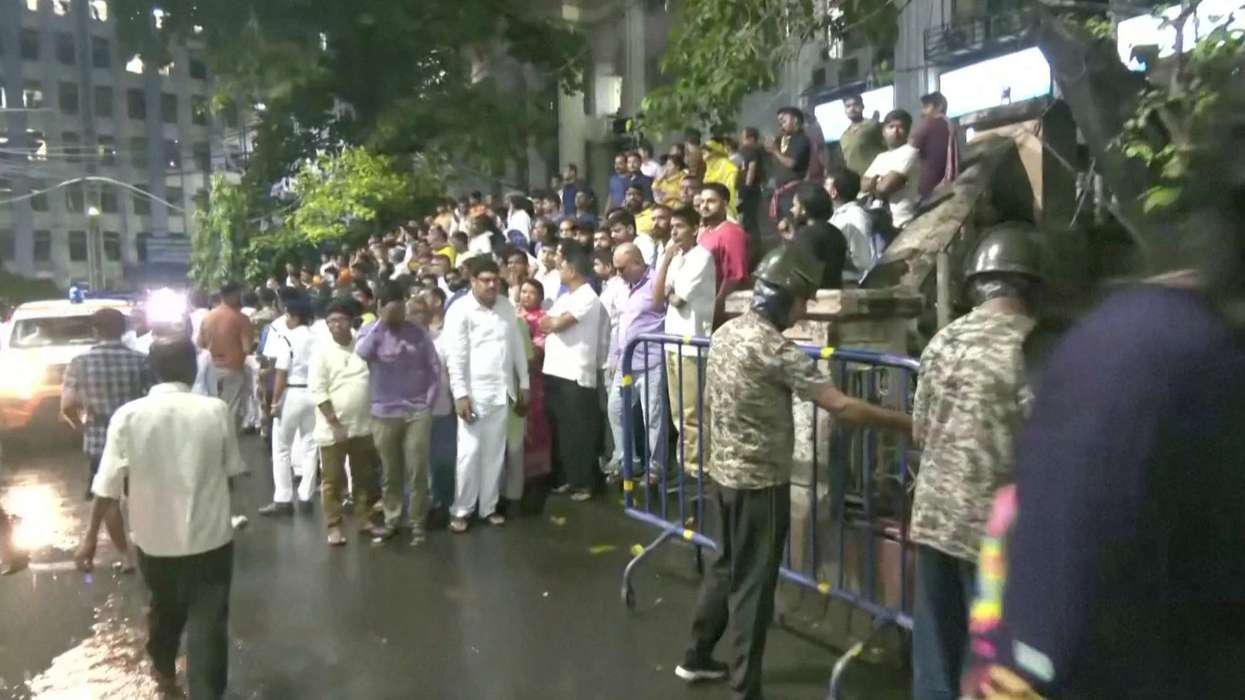
Narrow and crowded lanes leading up to the site in Dongri made it challenging for rescue equipment to reach the collapsed building, said PS Rahangdale, the Mumbai fire department's chief public relations officer.
He and Mumbai's Deputy Commissioner of Police Manjunath Singe confirmed that 10 people had been declared dead and that eight more were undergoing treatment at two hospitals nearby.
Around 15 families were believed to be living in the building that collapsed on Tuesday morning, said Singe. "Rescue operations are ongoing and our main focus is find those trapped," he added.
Residents in the neighbourhood helped fire and other officials with the rescue efforts, with some helping carry the injured to nearby ambulances that could not reach the site, a witness said.
The collapsed building was nearly 100 years old and an investigation into the incident will take place, said Devendra Fadnavis, chief minister of Maharashtra state, where Mumbai is located.
"My condolences to the families of those who lost their lives," prime minister Narendra Modi tweeted earlier in the day. "I hope the injured recover soon."
(Reuters)