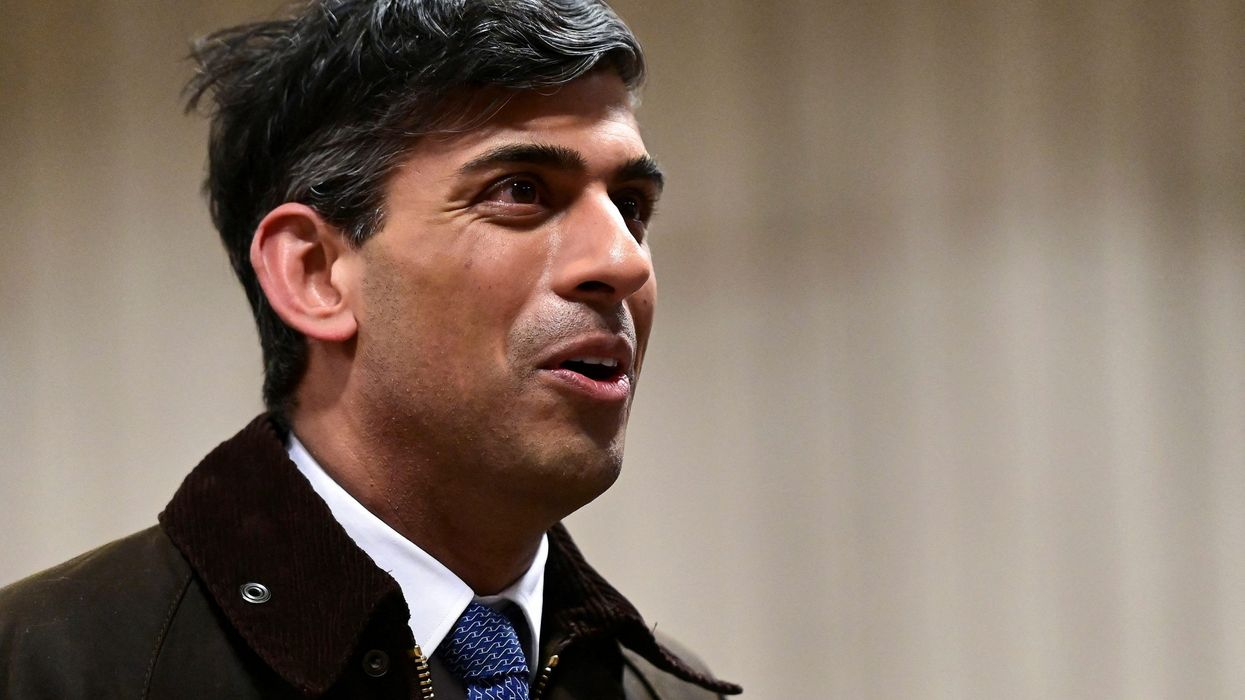
Prime minister Rishi Sunak has said his government is weighing “a range of options” to reduce legal migration into the UK, which is “too high”.
"The numbers are too high, and we want to bring them down,” told the BBC but refused to “speculate” on the new border control plans he is considering.
In 2019, the net inward immigration was 226,000 which the Conservatives promised to bring down in their election manifesto.
But the number more than doubled to 500,000 in 2022 and the figure is expected to reach 700,000 when the Office for National Statistics releases fresh data next week.
International students bringing their dependants into the UK is regarded as a key reason for the rise in net immigration.
Data show that in the year ending in June 2022, foreigners arriving on study visas accounted for 39 per cent of long-term immigration of non-EU nationals. While 21 per cent of immigrants came to the UK on work visas, those who came on other visas made up 39 per cent.
Some 170,000 Ukrainians fleeing the ongoing war arrived in the UK and this contributed majorly to the immigration numbers.
"What I would say is we're considering a range of options to help tackle numbers of legal migration and to bring those numbers down - and we'll talk more about that in the future," Sunak told the BBC.
He said an acceptable level of net immigration would "depend on how the economy's doing at any particular time and the circumstances we're facing".
Chancellor of exchequer Jeremy Hunt advocated that the country should be “pragmatic” about immigration and hinted at opening more sectors to foreign workers.
In contrast, home secretary Suella Braverman advocated training local people to address the labour shortages British businesses have been complaining about.
She argued that Brexit should be used as an opportunity to make the UK “a high-skilled, high-wage economy that is less dependent on low-skilled foreign labour”.
Considering ‘range of options’ to reduce legal immigration: Sunak
In 2019, the net inward immigration was 226,000 which the Conservatives promised to bring down in their election manifesto