
Skip to content
Search

Latest Stories

Submit Guest Post

Commonwealth wreath-laying ceremony held in London

Justin Maciejewski, director of the National Army Museum, paid tribute to Commonwealth troops, particularly those who fought in the Pacific campaign.

Commonwealth wreath-laying ceremony held in London

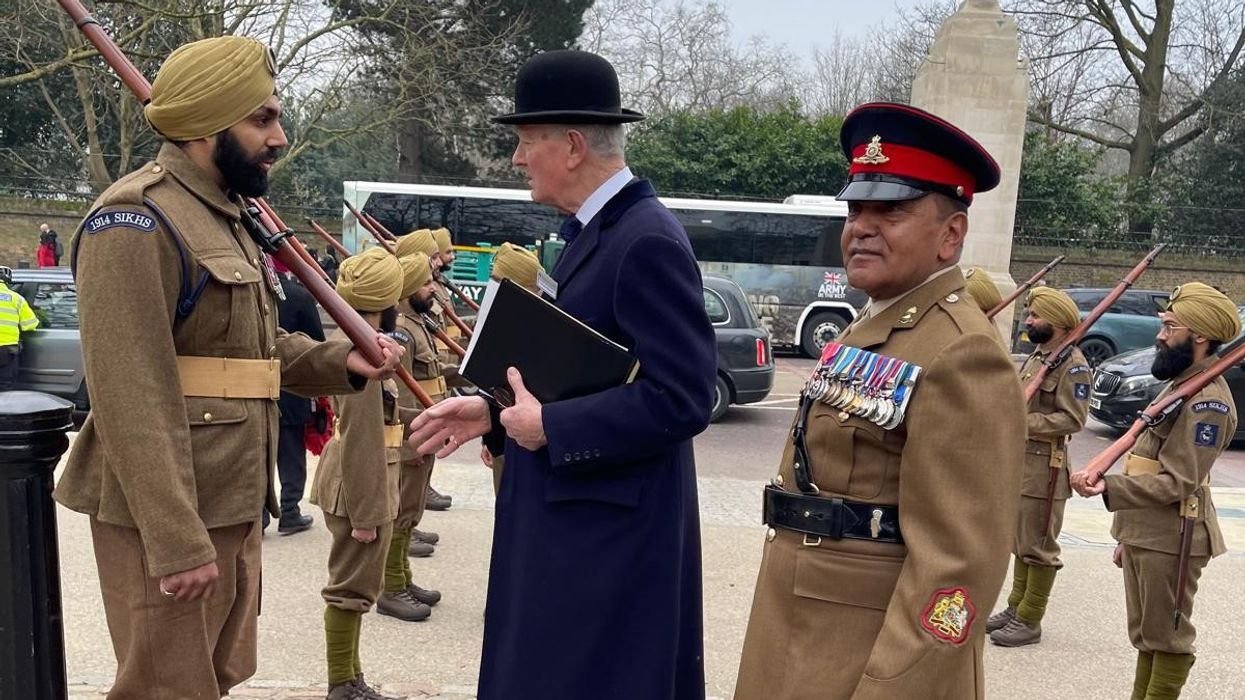
A military piper, choir, and the Sikh soldiers of the British Army took part in the ceremony.

A WREATH-LAYING ceremony was held at the Memorial Gates on Constitution Hill in London on 10 March to honour Commonwealth servicemen and women who fought in the First and Second World Wars.

Lord Boateng, chairman of the Memorial Gates Council, led the event, highlighting the importance of remembering those who served.


Justin Maciejewski, director of the National Army Museum, paid tribute to Commonwealth troops, particularly those who fought in the Pacific campaign.

A two-minute silence was observed before wreaths were laid. Lord Boateng placed a wreath on behalf of King Charles, with tributes from Lord Bilimoria, Speaker Lindsay Hoyle, and Commonwealth Secretary-General Baroness Patricia Scotland.
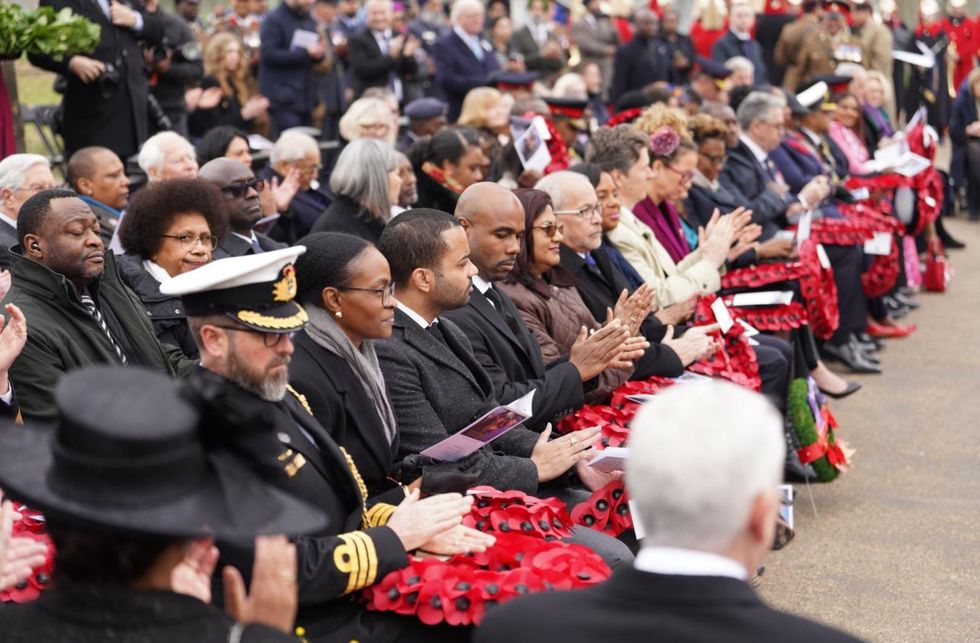
Veterans, high commissioners, and representatives of the Overseas Territories also participated.

WOI Joseph Ashitey Hammond, a 100-year-old veteran of the Burma Campaign, was among those present.

A military piper, choir, and the Sikh soldiers of the British Army took part in the ceremony.

Baroness Scotland and Bishop Anderson Jeremiah reflected on the ongoing significance of Commonwealth contributions, while the Royal British Legion noted the service of five million troops from the Indian subcontinent, Nepal, Africa, and the Caribbean.

Add EasternEye As Your Trusted Source
preferred source on google news

More For You

Flights

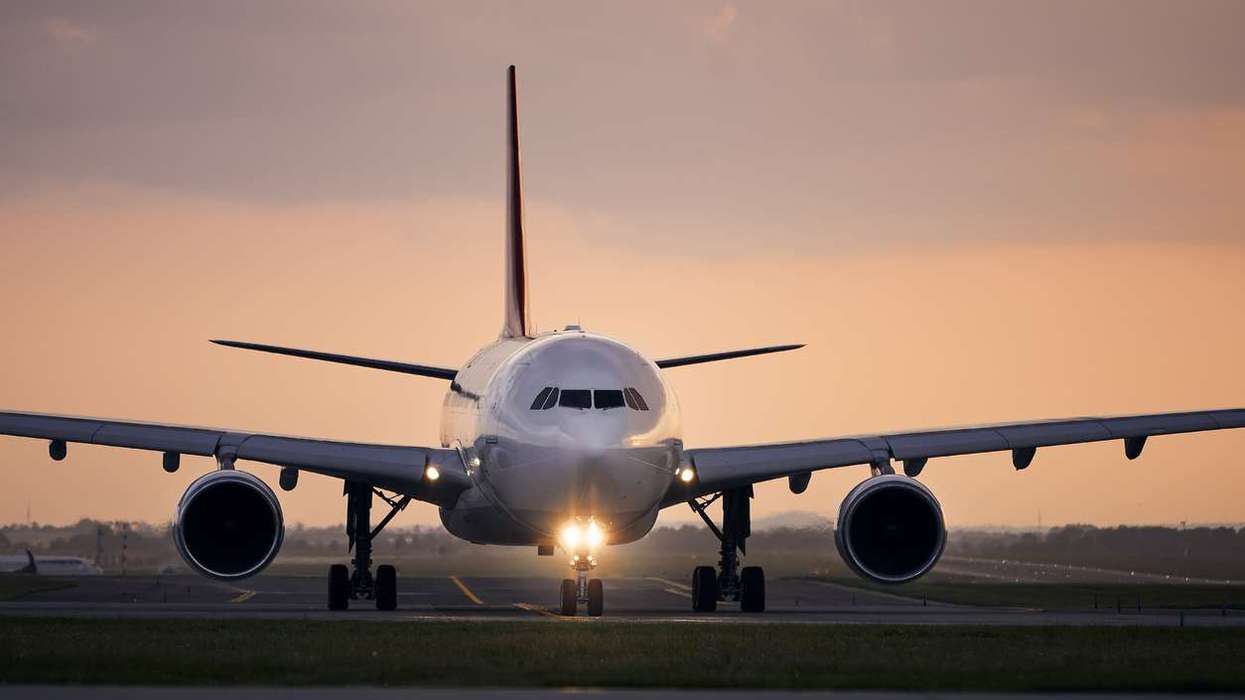
A brief software failure in the UK’s air traffic control system caused widespread disruption for passengers and airlines

iStock

How did a software glitch lasting milliseconds ground thousands of flights?

  • NATS said a software defect corrupted information in part of its flight data system.
  • The initial error happened on September 8 but was not recognised as a major incident until two and a half hours later.
  • Around 2,000 flights were cancelled and the passenger backlog took more than two days to clear.

The UK’s biggest recent air traffic disruption was traced not to a cyber attack or military operation, but to a software defect that unfolded in a matter of milliseconds.

National Air Traffic Services (NATS), which provides air traffic control services across the UK, said its initial investigation found that a small subsection of coding in its flight data system caused information to become corrupted.

Keep ReadingShow less