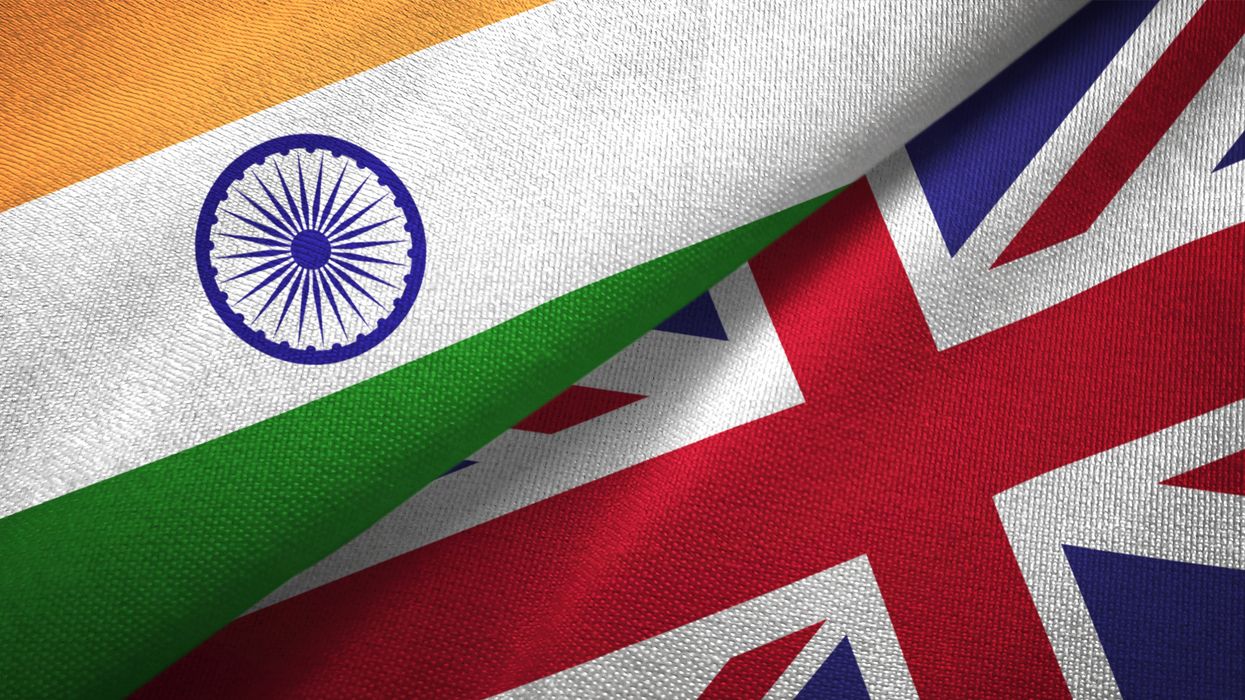

A REPORT by Oxfam International claims that between 1765 and 1900, £52.7 trillion was transferred from India to Britain during colonial rule.
Released during the World Economic Forum in Davos, the report, Takers Not Makers: The unjust poverty and unearned wealth of colonialism, asserts that the British Empire stifled India’s industrial growth and left the nation impoverished.
The report highlights that in 1750, India accounted for 25 per cent of global industrial output, which declined to 2 per cent by 1900 due to British protectionist policies targeting Indian textiles.
Oxfam attributed this decline to colonial economic exploitation, calling for reparations and a shift to a more equitable global economic system.
The £52.7 tn figure is credited to Indian economists Utsa Patnaik and Prabhat Patnaik. Their earlier estimate of £36.6 tn covered the period from 1765 to 1938, while the updated figure aligns with more recent analyses, reported The Times.
The report also connects historical wealth extraction to modern global inequality, suggesting that colonial exploitation laid the foundation for the current wealth of many billionaires.
The call for reparations echoes similar appeals, including those by Congress Party politician Shashi Tharoor, who argued in his 2016 book, An Era of Darkness, that Britain owes reparations for the systematic exploitation of India.
The legacy of colonialism continues to evoke strong reactions. At a recent Coldplay concert in Mumbai, lead singer Chris Martin thanked the Indian audience for their forgiveness despite Britain’s colonial past, drawing applause and renewed discussions on the subject.