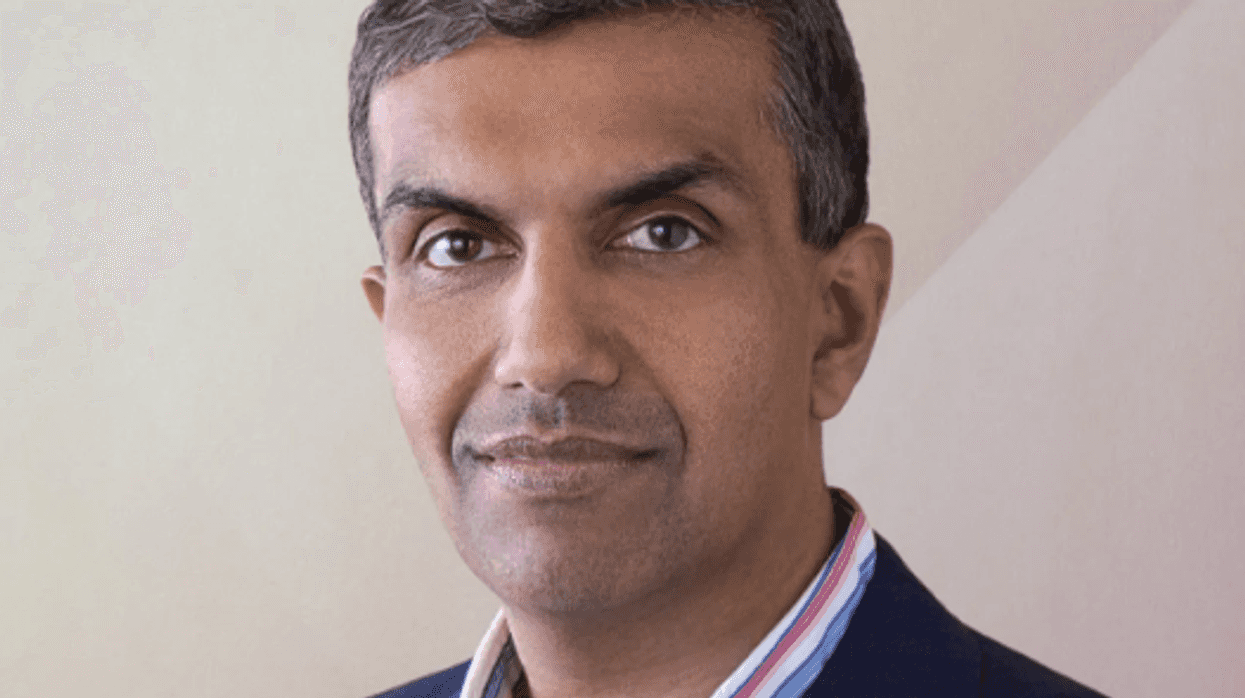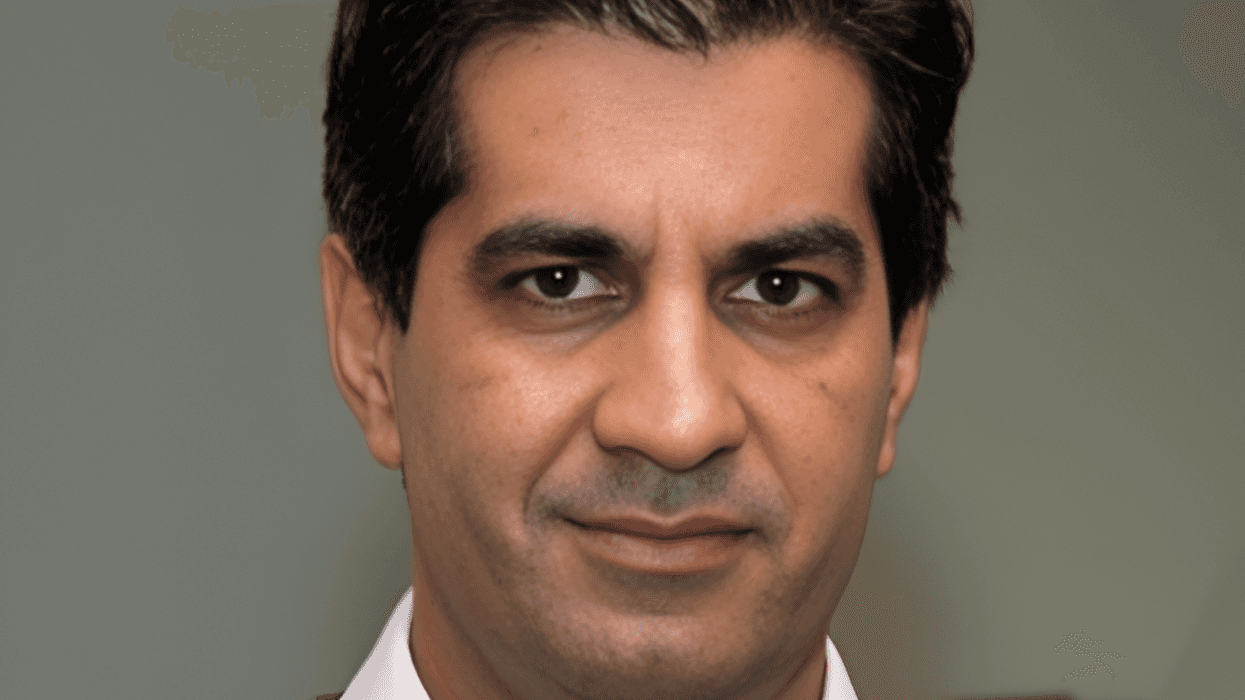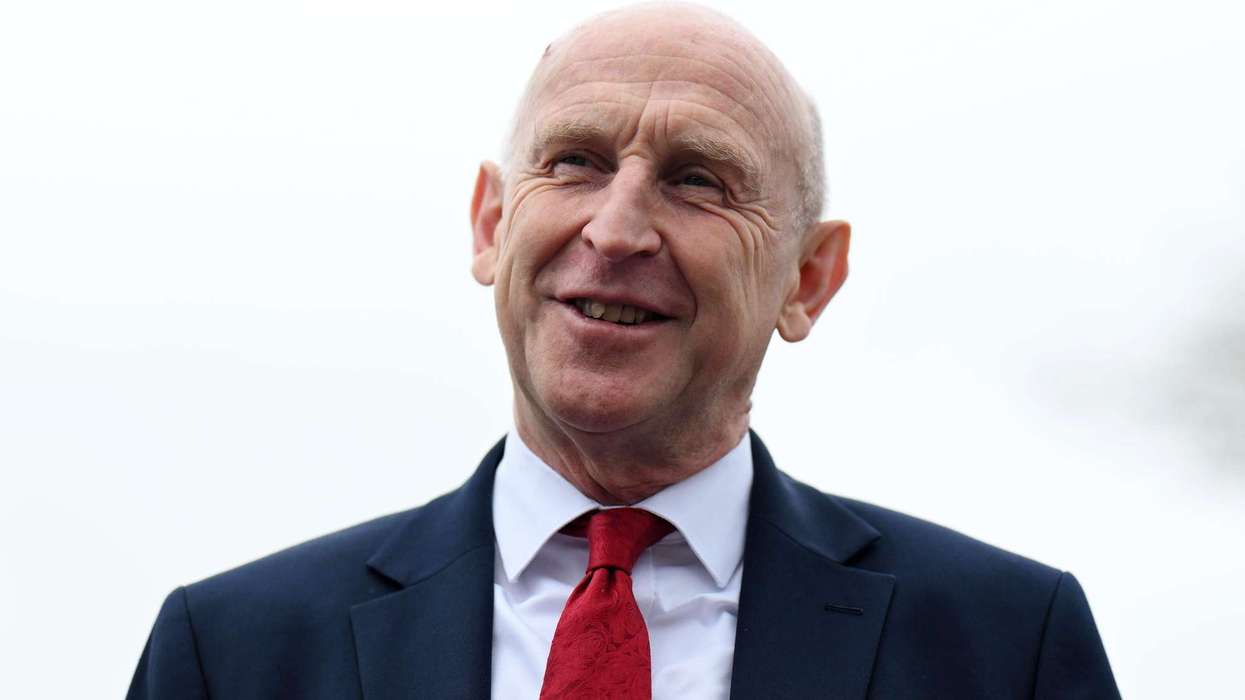

- Christopher Rokos paid £330m in UK tax last year.
- Greece offers wealthy new residents a special foreign-income tax regime.
- Britain abolished its non-dom system in April 2025.
Christopher Rokos has paid hundreds of millions of pounds into the UK tax system. Now, the billionaire hedge fund manager is moving his tax residence to Greece.
According to figures reported by media outlets, Rokos was Britain's third-highest individual taxpayer in 2025, contributing around £330m to the Exchequer.
His move raises a bigger question than why one billionaire is leaving Britain: what does Greece offer wealthy international residents that the UK no longer does?
The answer starts with a tax system designed specifically to attract them.
Greece's tax deal for wealthy foreigners
Greece has a special regime for qualifying high-net-worth individuals who transfer their tax residence to the country.
Under the scheme, eligible residents can pay a flat €100,000 a year on their foreign income for up to 15 years, rather than being taxed on that overseas income under the country's standard progressive system.
There is an important catch. Applicants generally need to have been non-resident in Greece for at least seven of the previous eight years and invest at least €500,000 in the country.
The €100,000 payment covers foreign income, but it does not mean wealthy residents pay no tax in Greece. Greek-source income remains subject to the country's ordinary tax rules.
The scheme can also cover family members for an additional annual payment, making it particularly attractive to people with substantial international assets and income.
For someone with a large global investment portfolio, that creates a very different proposition from simply moving to another country and becoming subject to its ordinary tax rates.
What changed for Britain's wealthy?
Rokos's move comes after Britain abolished its long-standing non-dom tax regime in April 2025.
The old system allowed eligible non-domiciled residents to receive certain foreign income and gains without immediately bringing them into the UK tax net, subject to specific rules and conditions.
The replacement system is based more heavily on tax residence. New arrivals who have spent at least 10 years outside the UK can qualify for a four-year foreign income and gains regime, but the benefits do not continue indefinitely.
That change has been followed by a series of high-profile departures from Britain.
Among those who have relocated are Icelandic investor Thor Björgólfsson, who moved to Italy, as well as Checkout.com founder Guillaume Pousaz and Egyptian billionaire Nassef Sawiris.
Rokos's move is particularly notable because of the size of his previous contribution to the UK Treasury.
The 55-year-old founded Rokos Capital Management in 2015 after working at Credit Suisse and Brevan Howard. His hedge fund now manages more than $20bn, while his personal fortune has been estimated at around $4bn.
But his relationship with Britain goes beyond tax.
Rokos was previously a major Conservative Party donor, giving £1.9m to David Cameron's operation before the 2015 general election. Earlier this year, he donated £190m to the University of Cambridge to establish the Rokos School of Government.
He is also overseeing a £175m restoration of Tottenham House, his Grade I-listed Wiltshire estate.
That makes his departure an interesting test of the UK's changing relationship with wealthy taxpayers. Britain may still retain their businesses, investments and property interests, but changing tax residence can alter where some of their personal tax is ultimately paid.
The timing is also politically sensitive.
Chancellor John Healey is facing speculation over possible tax increases at the October 28 Budget, while Prime Minister Andy Burnham has not ruled out asking wealthier taxpayers to contribute more.
Shadow chancellor Andrew Griffith has warned that Britain risks losing wealthy investors and job creators as a result.
Whether tax was the decisive factor in Rokos's personal decision is not clear. But the comparison between the two systems is becoming harder to ignore.
Britain is asking wealthy residents to adjust to a new tax regime after the end of the non-dom system. Greece, meanwhile, is offering qualifying international residents a long-term, clearly defined alternative.
For countries competing for mobile wealth, that difference could matter — especially when the people making the decision can choose where they live, invest and pay tax.