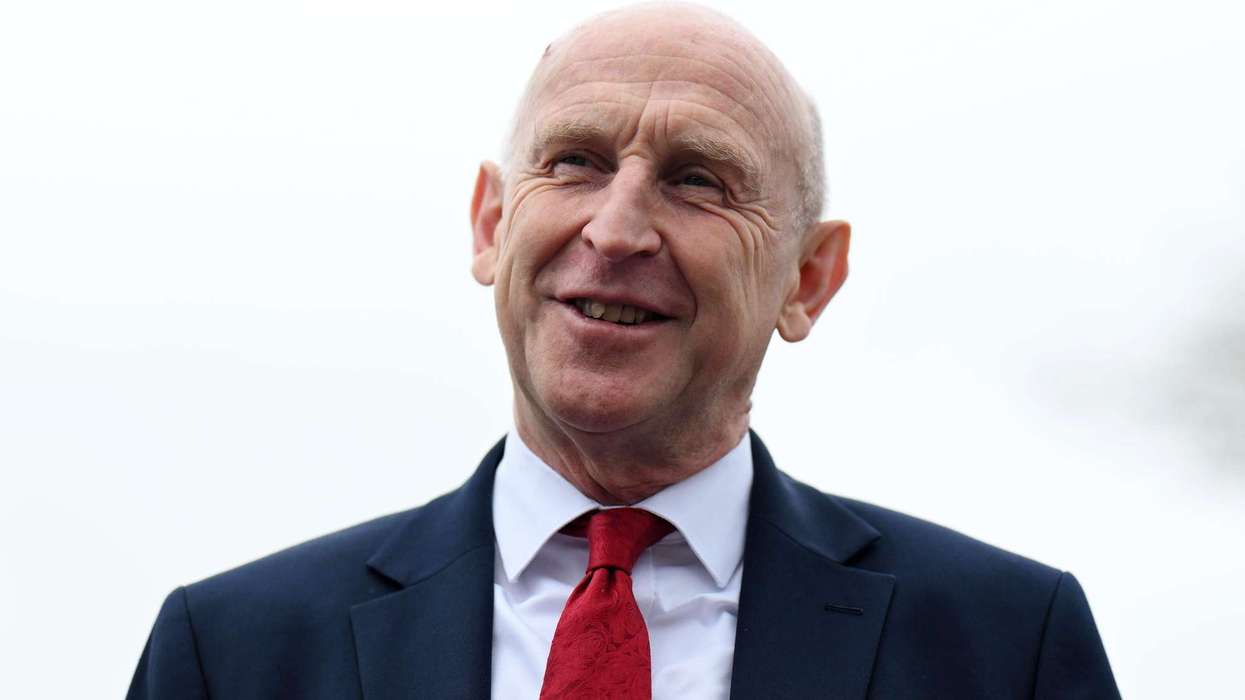

CHANCELLOR John Healey is set to strike an optimistic note on Monday, laying out an economic agenda built on resilience and renewal ahead of fledgeling prime minister Andy Burnham's first budget in October.
Despite a grim economic outlook for the country buffeted by high costs of living, youth unemployment and energy prices driven higher by the US-Iran war, Healey is set to paint a cautiously optimistic picture.
Chancellor Healey faces tax dilemma
In his first major speech as chancellor of the exchequer, Healey is expected to set out plans to write "a new story about Britain. An optimistic story. One of resilience", according to a press release by the treasury.
At the heart of that story is a fresh £150-million fund to boost business innovation in northern England, alongside a pledge to cut government red tape, in line with Burnham's aim to devolve economic and political power to regions outside London.
"I want to see wealth creation in this country. I want to see businesses make a profit," Healey is expected to say in his speech, repeating Burnham's mantra of "growth in every postcode".
UK Borrowing Costs Hit 28-Year High
"The Chancellor will also make clear that good growth is indivisible from fiscal discipline at any time, but especially in a time of global uncertainty," the treasury press release added.
Earlier this weekend, Healey told the Financial Times he would use the October 28 budget to create a "buffer against uncertainty".
He has previously committed to following the fiscal rules laid out by his predecessor Rachel Reeves to meet day-to-day spending with government revenue.
The chancellor has remained vague about possible tax rises or additional financial support for households that could be unveiled in the budget.
Since entering government in July, Burnham has already offered the British public several low-cost sweeteners, including cheaper bus fares and a tax cut on electricity bills. He has also decided to ease a tax on pubs and other hospitality venues.
Andy Burnham Signals More Business Rates Help
Still, multi-decade-high yields on government bonds and an eye-watering debt are squeezing any fiscal headroom. Sceptics say the financial constraints mean Burnham will struggle to find the wiggle room to fund bigger commitments, including greater public control of utilities, ending rough sleeping and plugging a huge gap in defence spending.
Healey, who resigned as defence minister from ex-prime minister Keir Starmer's government accusing the treasury of insufficient military funding, is under pressure to recommit to raising defence spending to three percent of GDP by 2030.