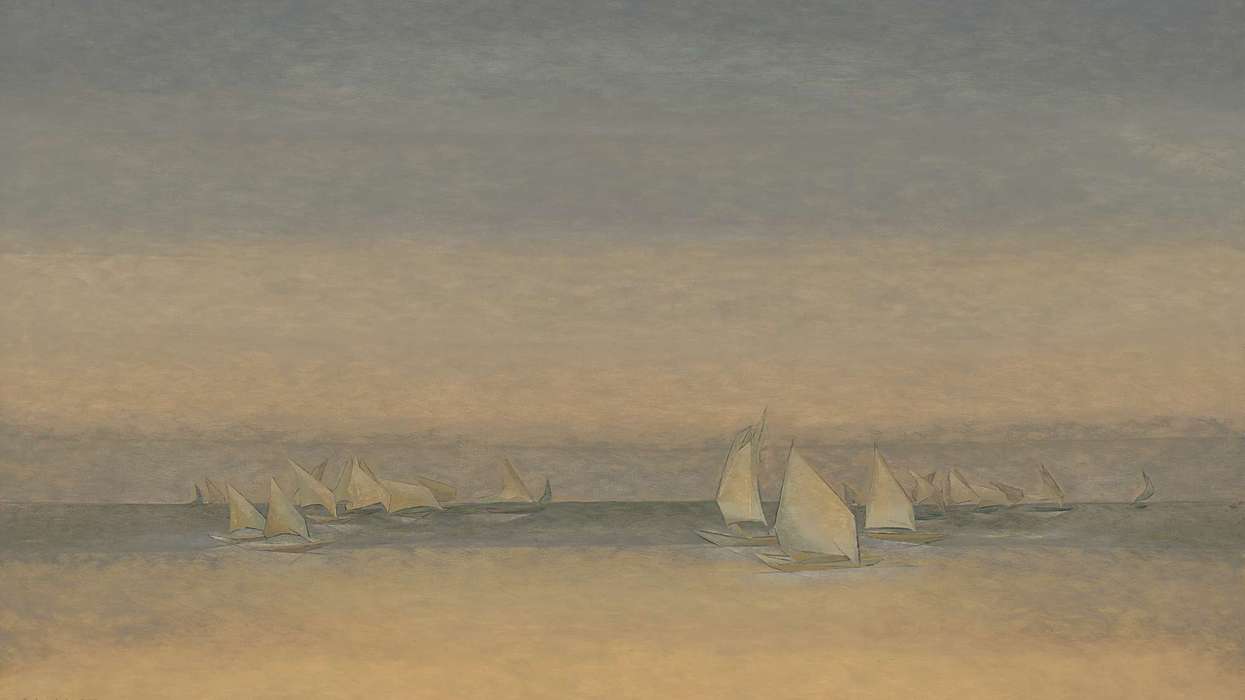

WITH Eastern Eye’s latest Asian Rich List due to be published on 20 November 2026, Christie’s auction of South Asian Modern & Contemporary Art in New York provides a useful pointer to where Indian wealth is now located.
The auction of 112 items, held on Wednesday 16 September raised a total of $22,574,720, which was “more than three times the total low estimate”.
Everything was sold, with eight world records set during the sale.
The auctioneers took it in turns to manage the 112 lots in batches. Two of them were William Featherby, junior specialist, Post-War and Contemporary Art in New York, and Tash Perrin, deputy chairman Americas.
There was a time when Indian foreign currency reserves were so low that people travelling to the west could take no more than £20 out of the country. In fact, as finance minister in 1991, Manmohan Singh was to forced to liberalise the economy as a condition of getting help from the International Monetary Fund. That was the start of India’s globalisation.
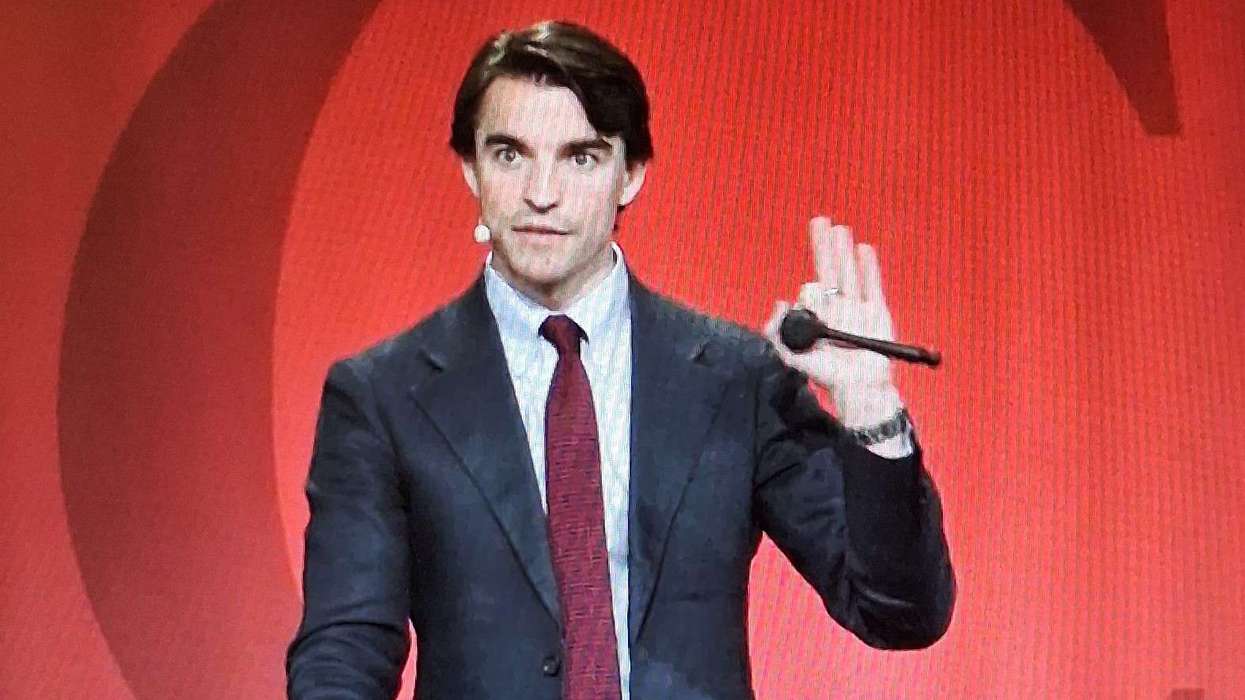 William FeatherbyAmit Roy
In the Christie’s auction, bids were regularly coming in from India.
It is probably safe to assume that the majority of buyers were Indians dispersed across the diaspora. There were bids from the Gulf, especially from the United Arab Emirates, India, from the US, and some from Thailand. Once, there would probably have been more bidders from the UK but thousands of entrepreneurs have been driven out of the country by the inheritance tax policies imposed by the former Labour chancellor, Rachel Reeves. They have taken their money to places like Dubai.
Typically, with a work by Maqbool Fida Husain, for example, the auctioneer would say something like, “$180,000 in the UAE” or “$120,000 in the Gulf”.
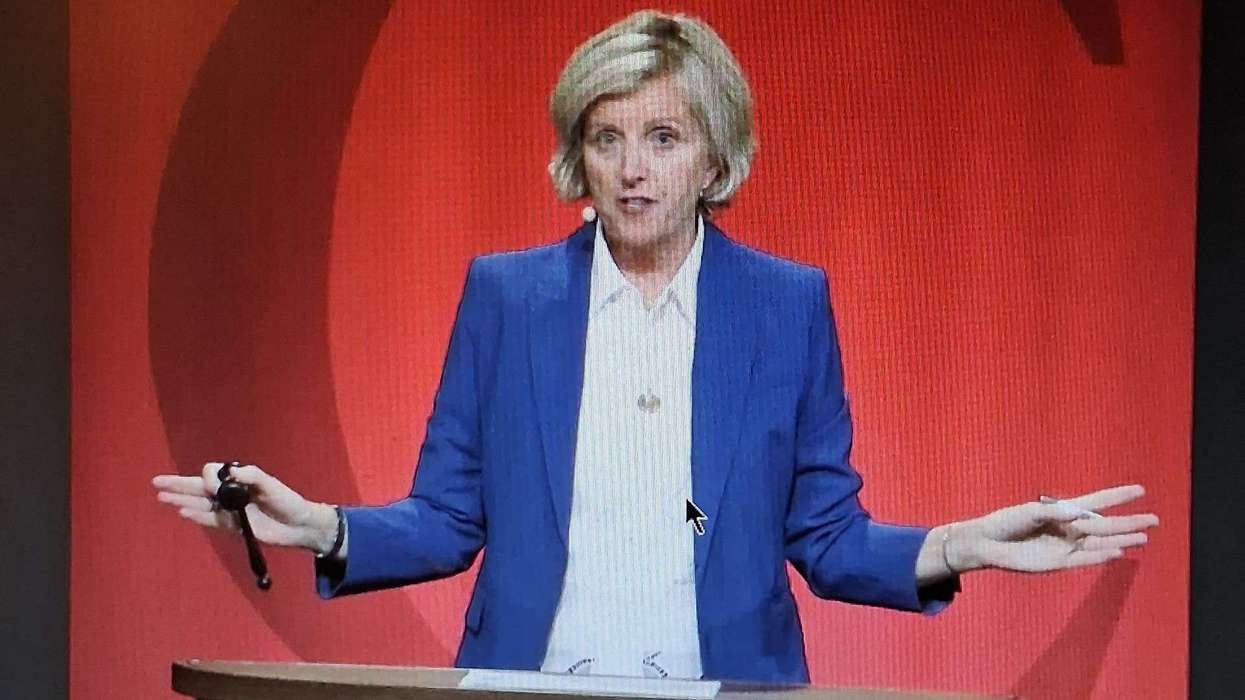 Tash PerrinAmit Roy
The auctioneer’s comment, like “India, it’s heading towards you,” suggests there are plenty of art collectors in the country able to bid hundreds of thousands of dollars for what they want, either for investment or display in their homes or offices.
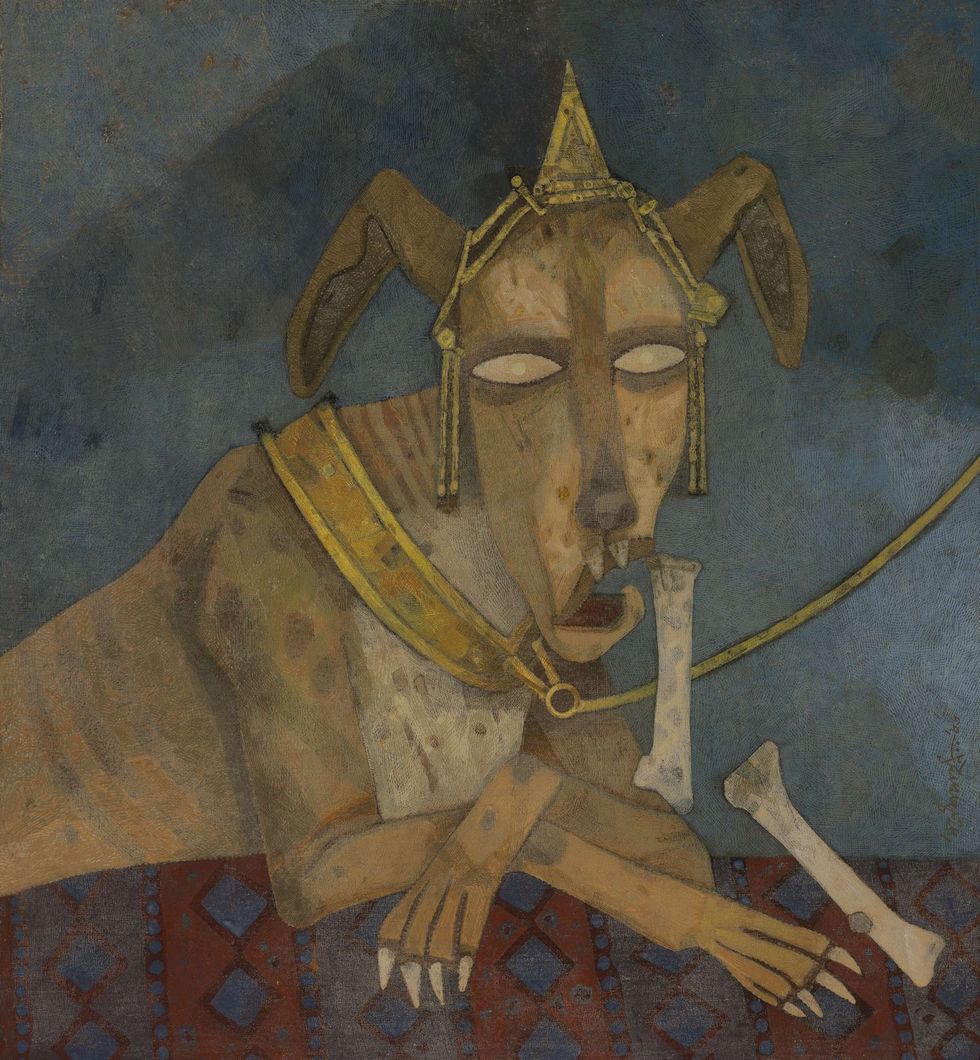 The Slave by Ganesh Pyne (price realised $1,152,000) Christie\u2019s
Apart from the high prices achieved by Francis Newton Souza, other top results included A Progression of Sales, a sweeping 1969 landscape by Jehangir Sabavala, which made $768,000, and Ganesh Pyne’s The Slave, which made $1,152,000, more than four times its low estimate.
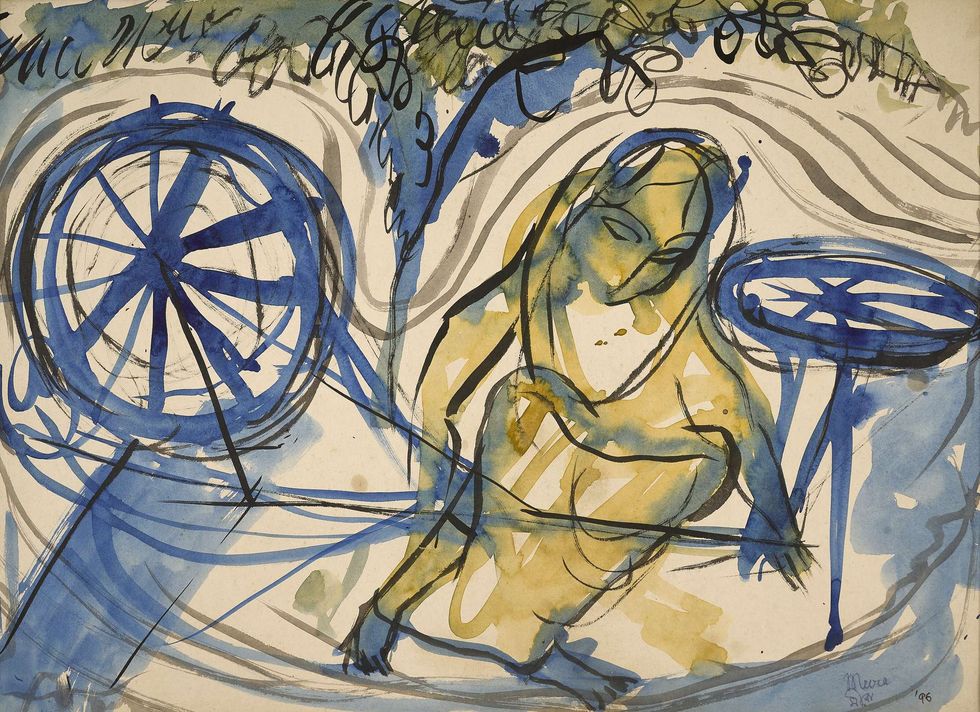 Untitled (Woman with Bicycle) by Meera Mukherjee (price realised $40,960)Christie’s
Other records included: work on paper by Meera Mukherjee: Untitled (Woman with Bicycle) (price realised: $40,960)
Work by Benodebehari Mukherjee: Untitled (Seated Figure) (price realised: $128,000)
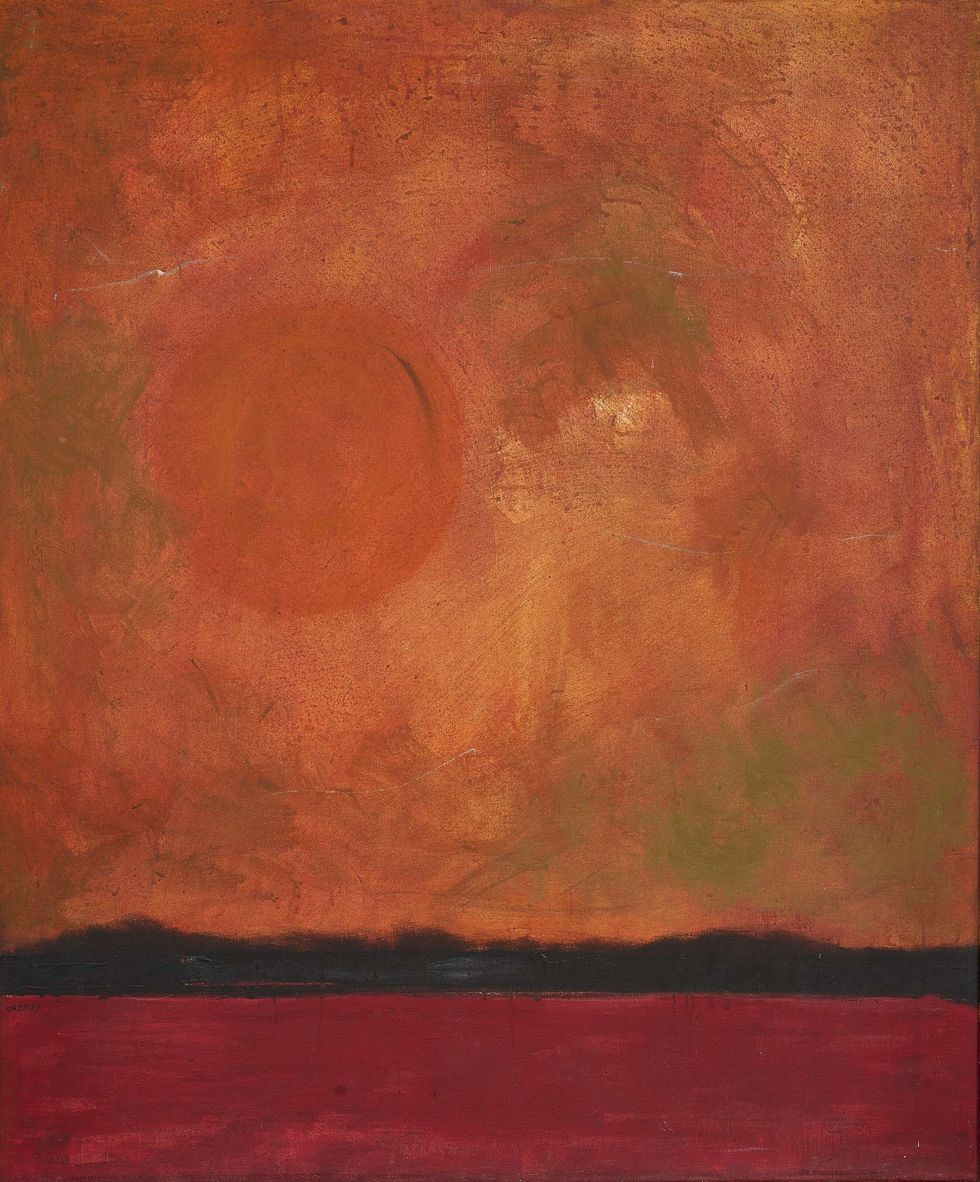 Experience – I by Hari Ambadas Gade (price realised $83,200)Christie’s
Work by Hari Ambadas Gade: Experience - I (price realised: $83,200)
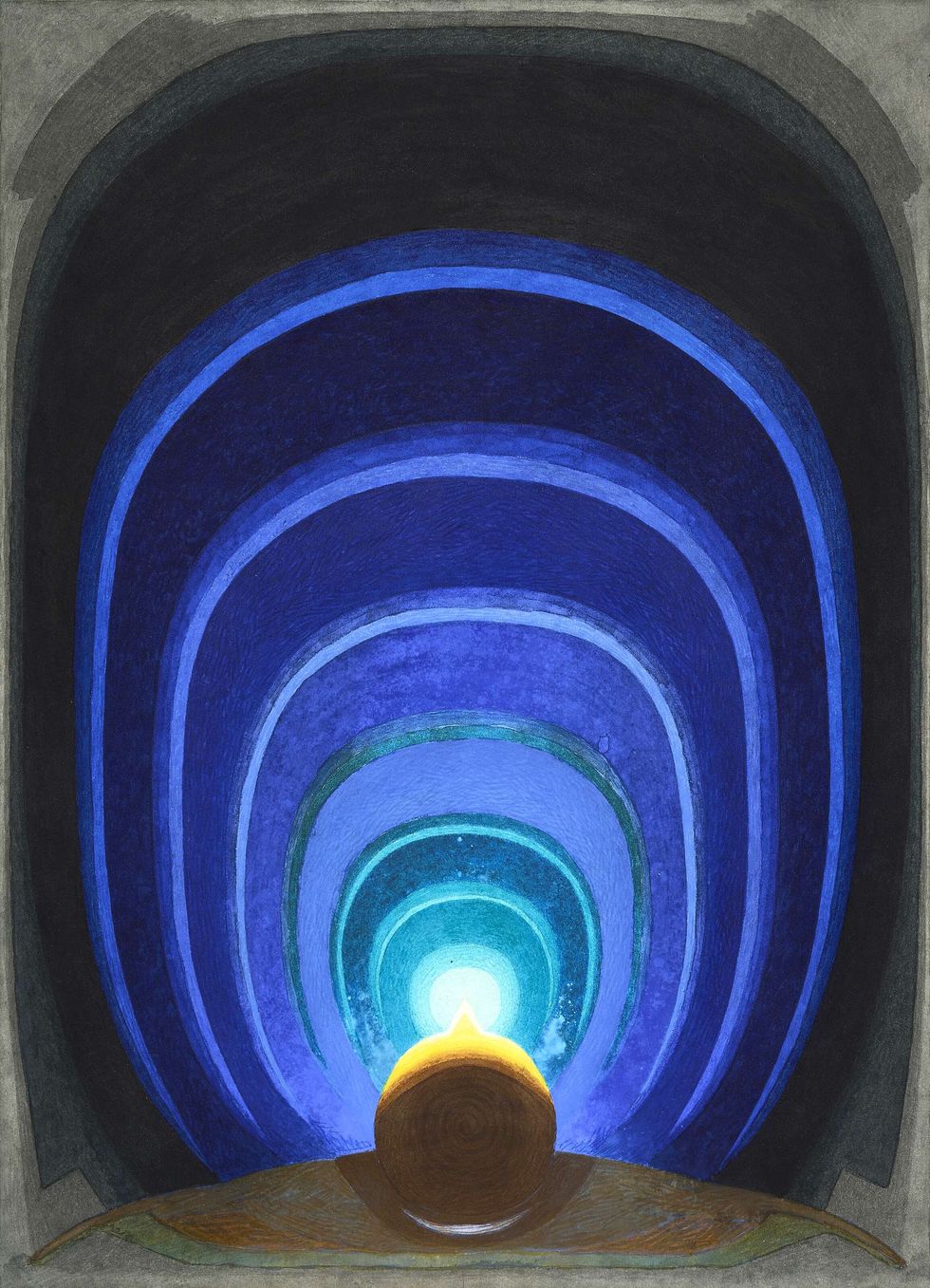 August-Sept 1991 by Biren De (price realised $57,600)Christie’s
Work on paper by Biren De: August-Sept 1991 (price realised: $57,600)
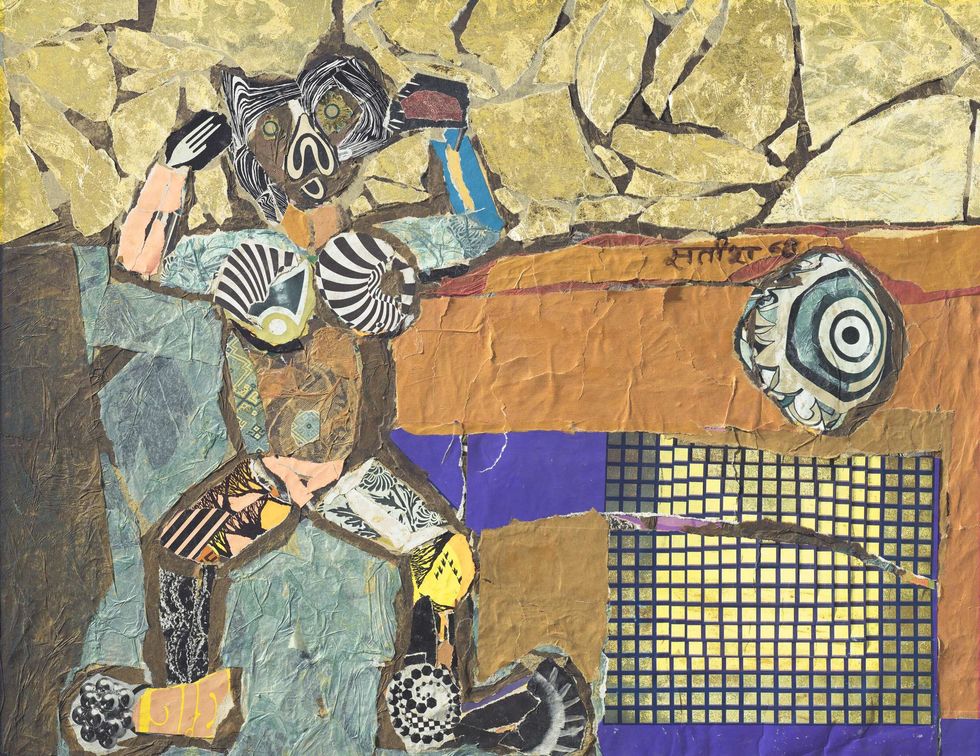 Untitled (Standing Figure) Satish Gujral (price realised $61,440)Christie’s
Work on paper by Satish Gujral: Untitled (Standing Figure) (price realised: $61,440)
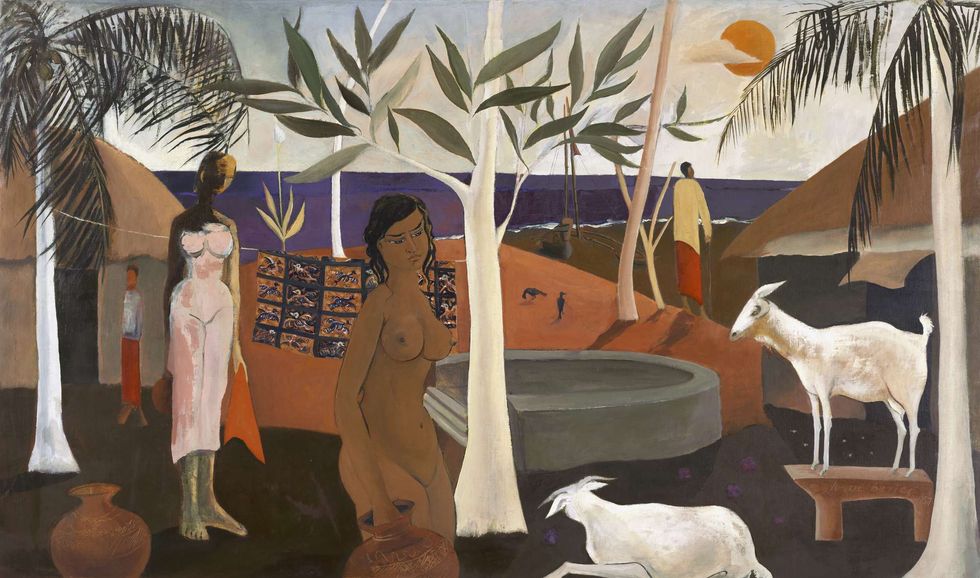 The Well. By Ivan Peries (price realised $640,000)Christie’s
Work by Sri Lankan artist Ivan Peries: The Well (price realised: $640,000)
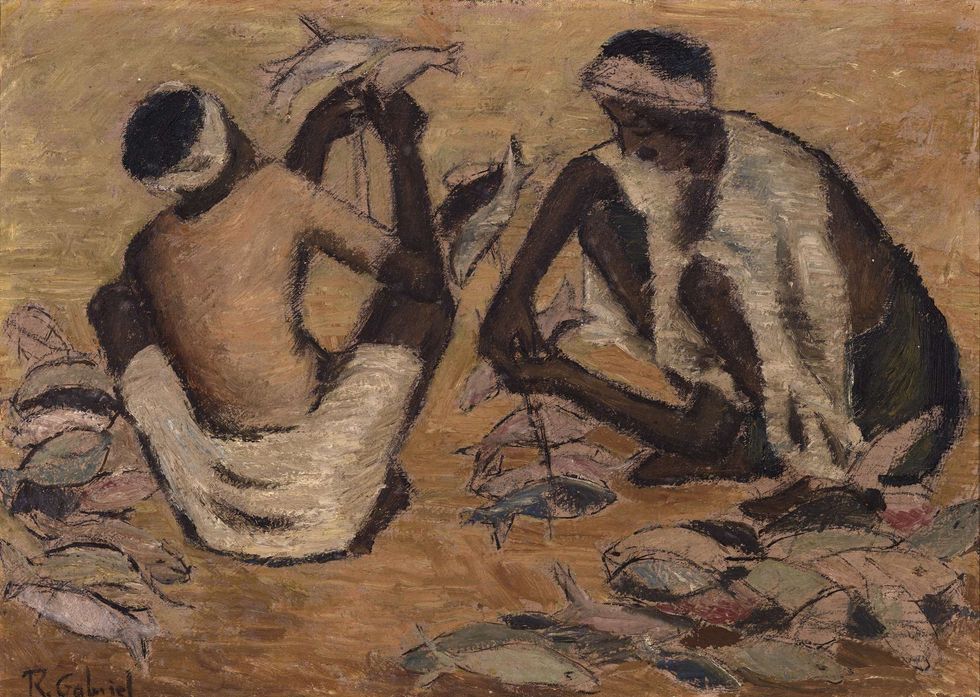 Fishermen. Richard Gabriel (price realised $48,640)Christie’s
Work by another Sri Lankan artist, Richard Gabriel: Fisherman (price realised: $48,640)
Eastern Eye also took note of a number of other artists.
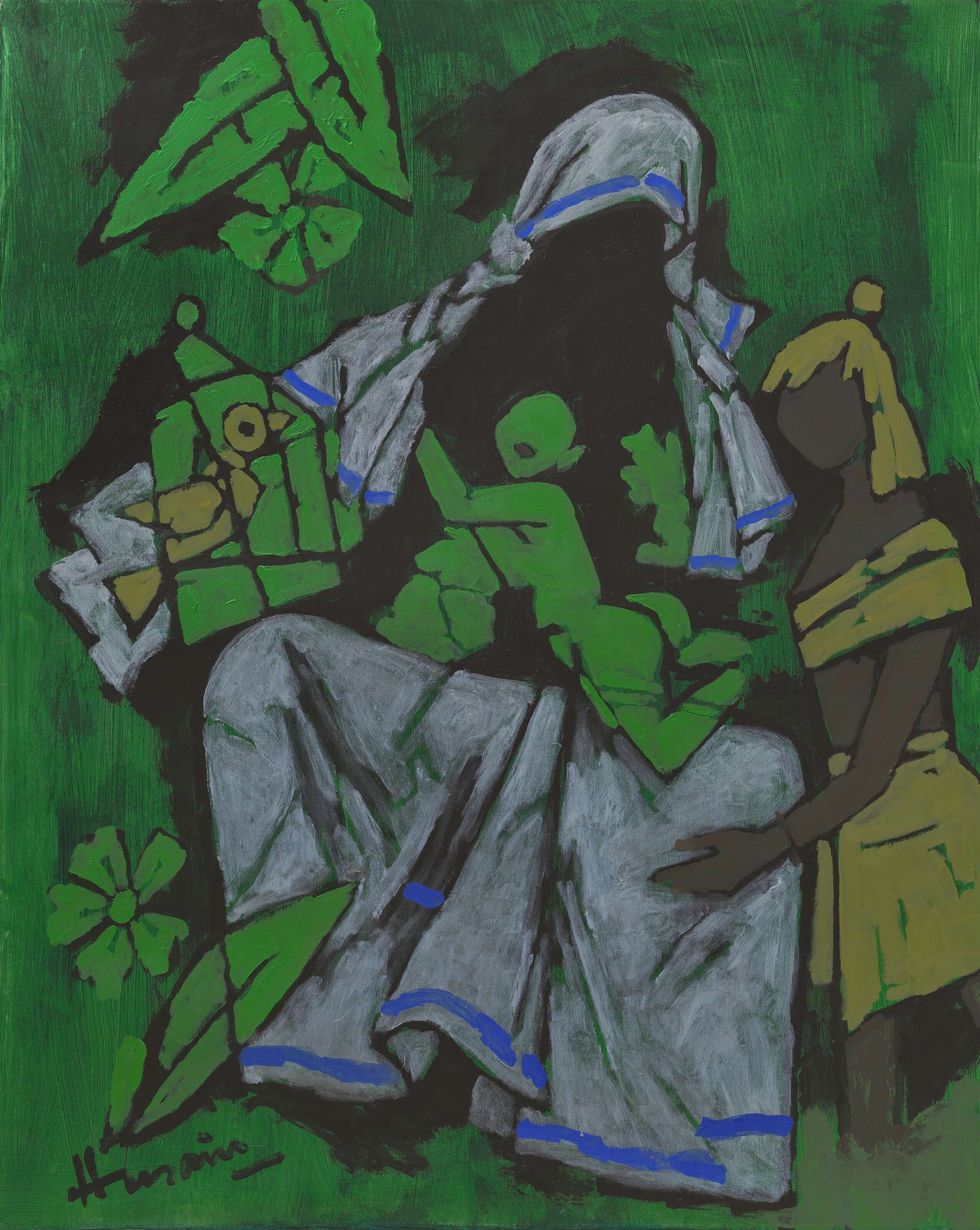 Untitled (Mother Teresa) by Maqbool Fida Husain (price realised $358,400)Christie’s
M F Husain will always be a favourite. His Untitled (Mother Teresa) realised $358,400; Untitled (Horse) $204,800); and Untitled (Bull) also $204,800.
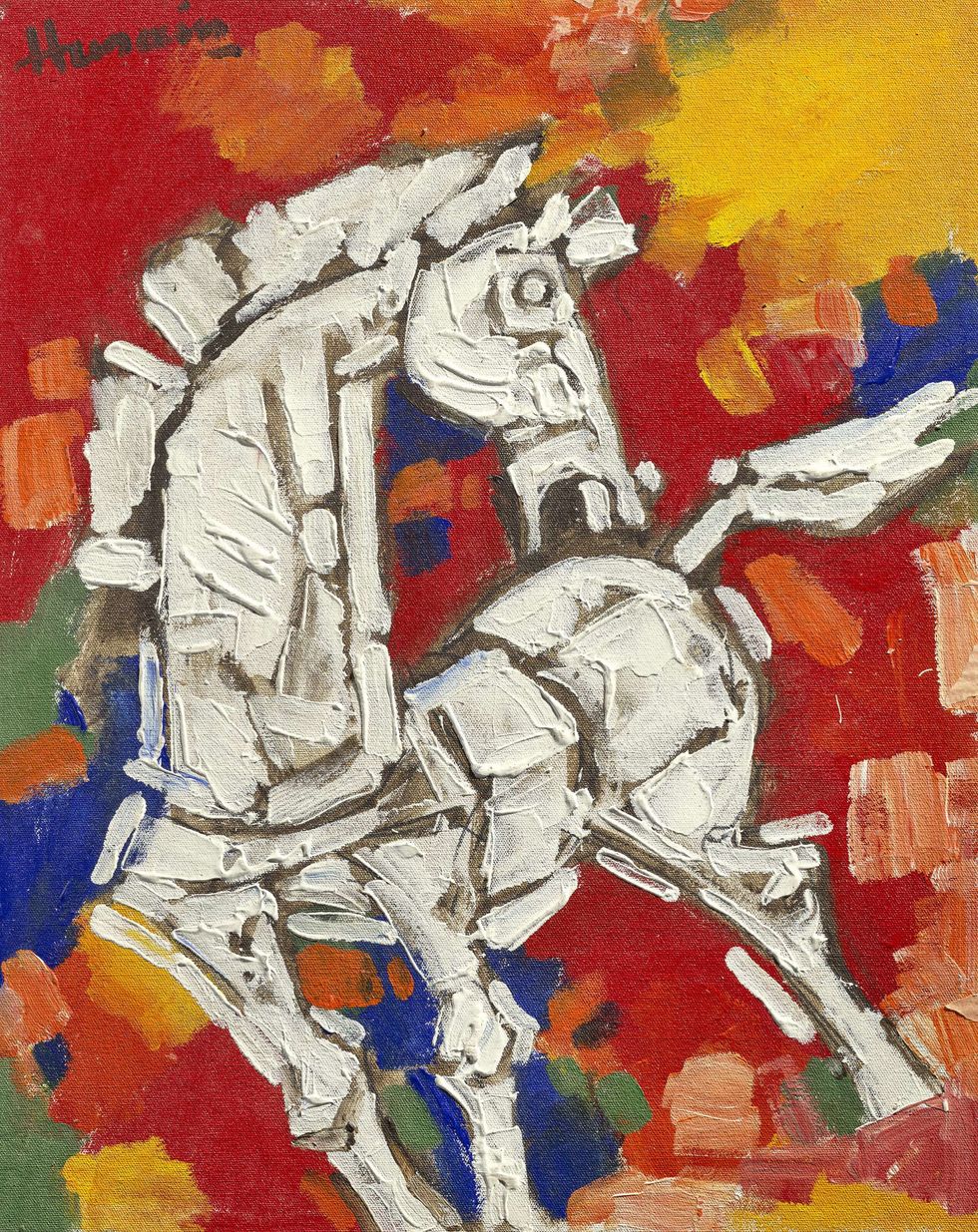 Untitled (Horse) by Maqbool Fida Husain (price realised $204,800)Christie’s
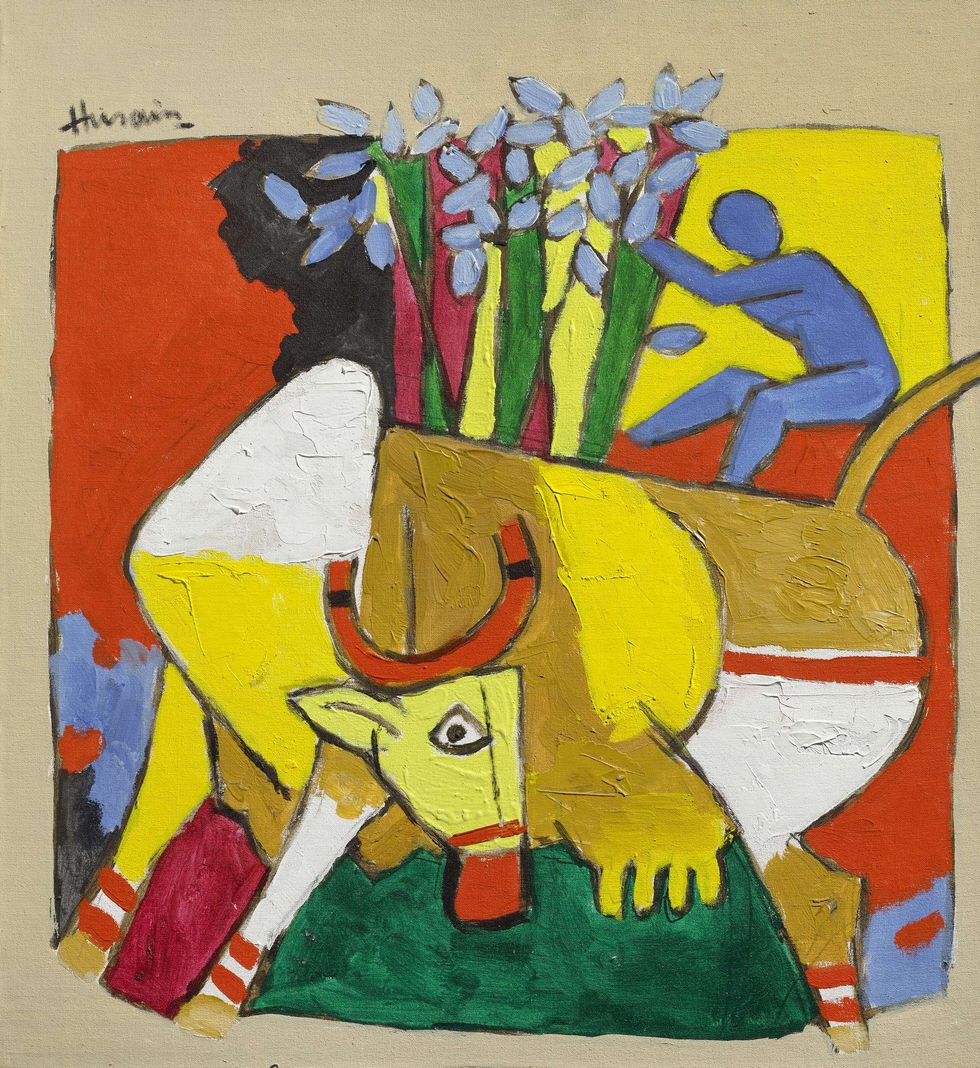 Untitled (Bull) by Maqbool Fida Husain (price realised $204,800)Christie’s
Sayed Haider Raza’s Untitled (Vasudhaiva Kutumbakam) (Sanskrit for “The entire world is one family”) realised $371,200.
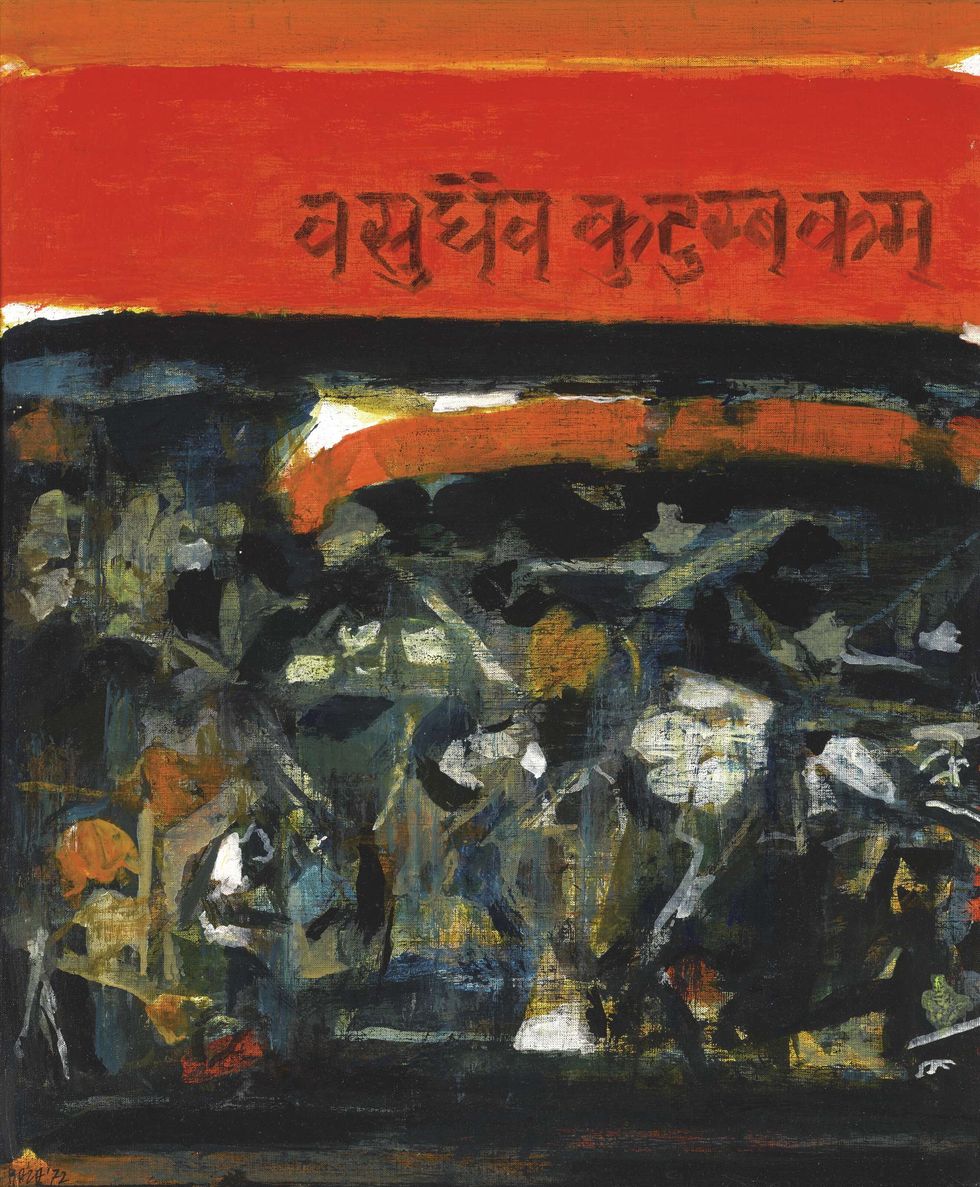 Untitled (Vasudhaiva Kutumbakam) by Sayed Haider Raza (price realised $371,200)Christie’s
Manjit Bawa’s Untitled (Woman with Bird) realised $396,800.
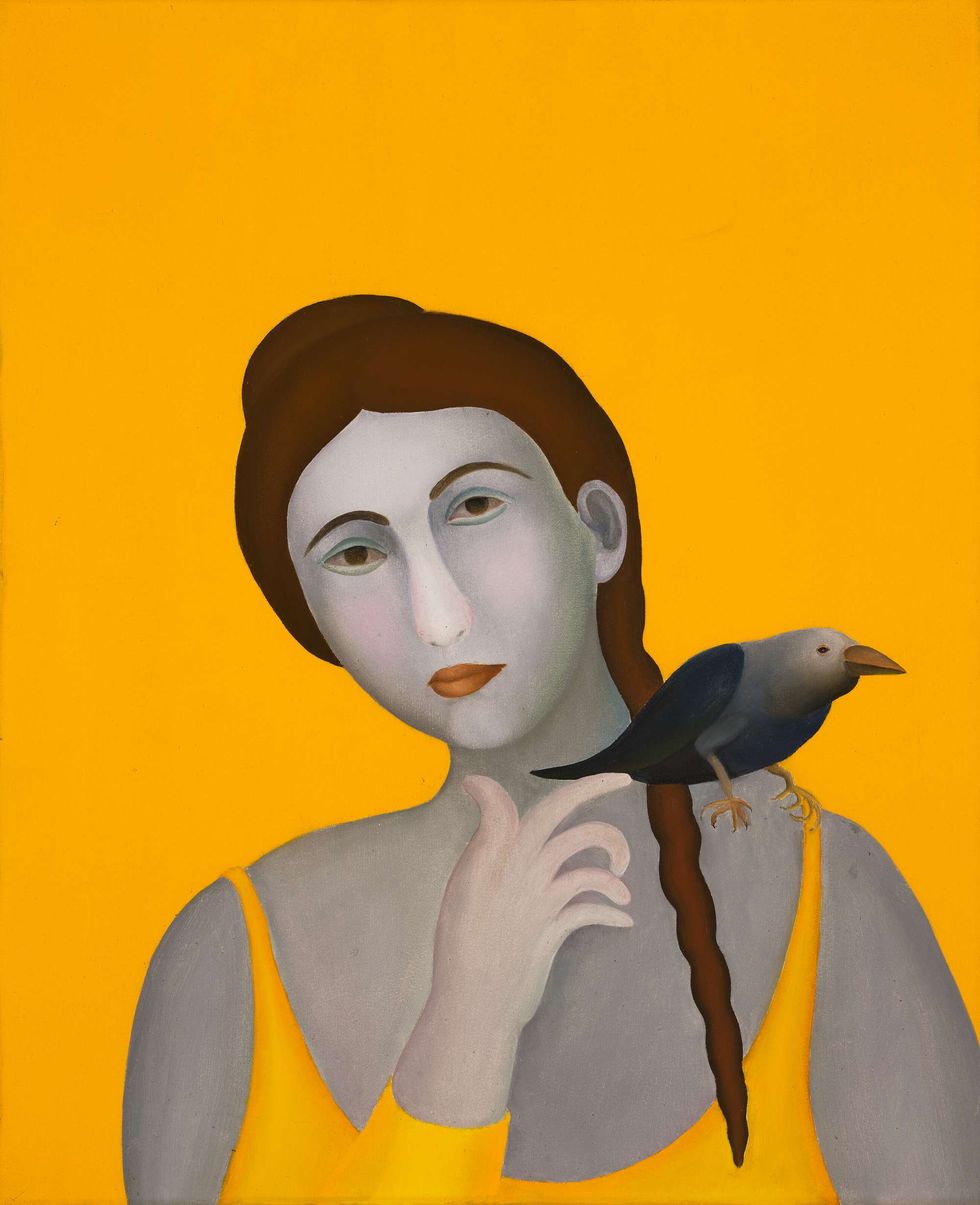 Untitled (Woman and Bird) by Manjit Bawa (price realised $396,800)Christie’s
Old House in Ahmedabad by Edwin Lord Weeks, an American painter noted for his Orientalist works, fetched $230,400; Untitled (Manchester Cotton Mills Series) by Bhupen Khakhar realised $61,440; and Jamini Roy’s Untitled (Mother and Child) $25,600.
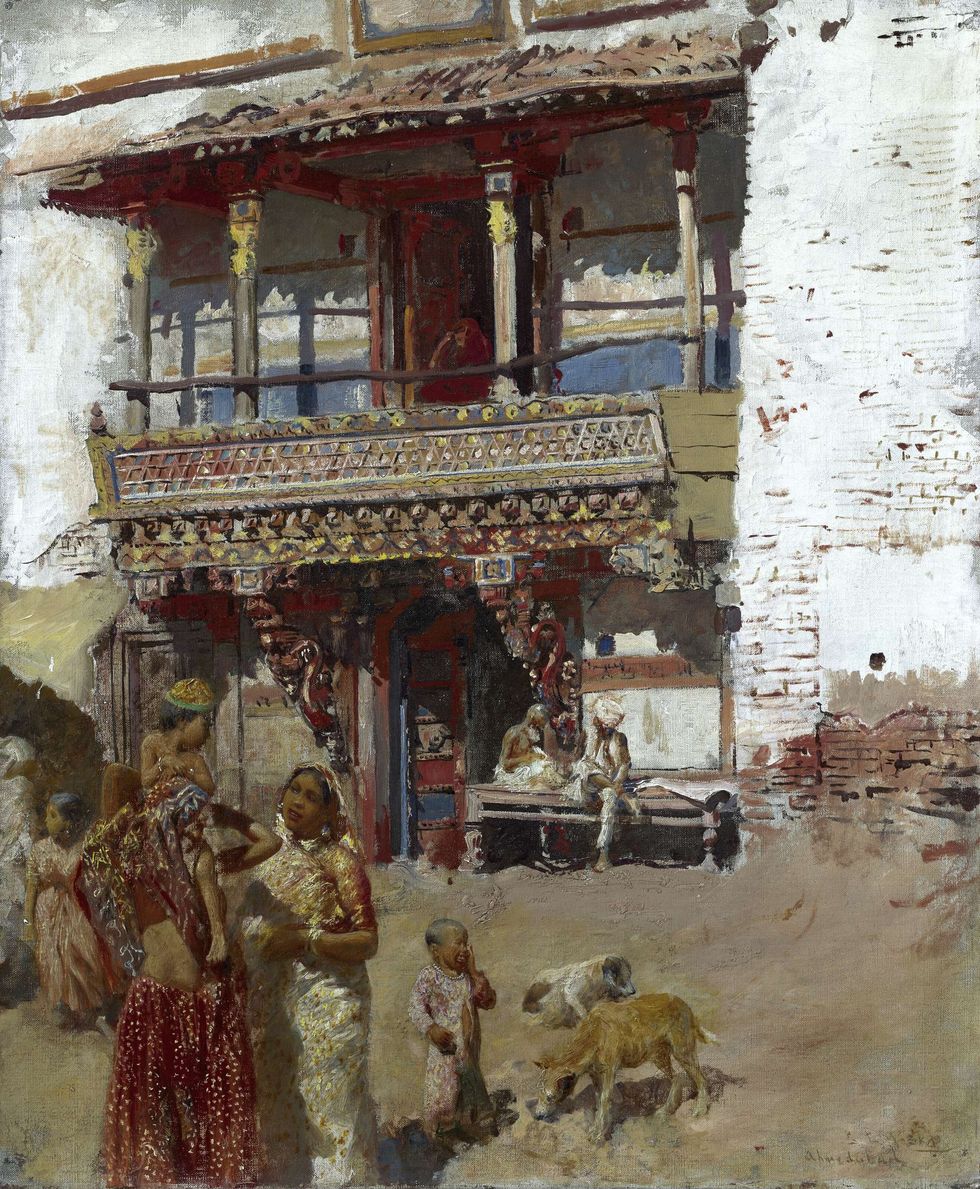 Old House in Ahmedabad by Edwin Lord Weeks (price realised $230,400)Christie’s
Nishad Avari, had of Christie’s South Asian Modern & Contemporary Department, said immediately after the auction: “This has been a strong year for our market and this department. Today’s auction continues the momentum we have built over our previous sales and exhibitions around the world this spring and summer. It was an honour to bring such strong works to the market, many of which have not been seen in public before, and to find them wonderful new homes. We look forward to sharing news about a few more exciting events we have planned for the rest of the year, ensuring 2026 ends on a high note.”
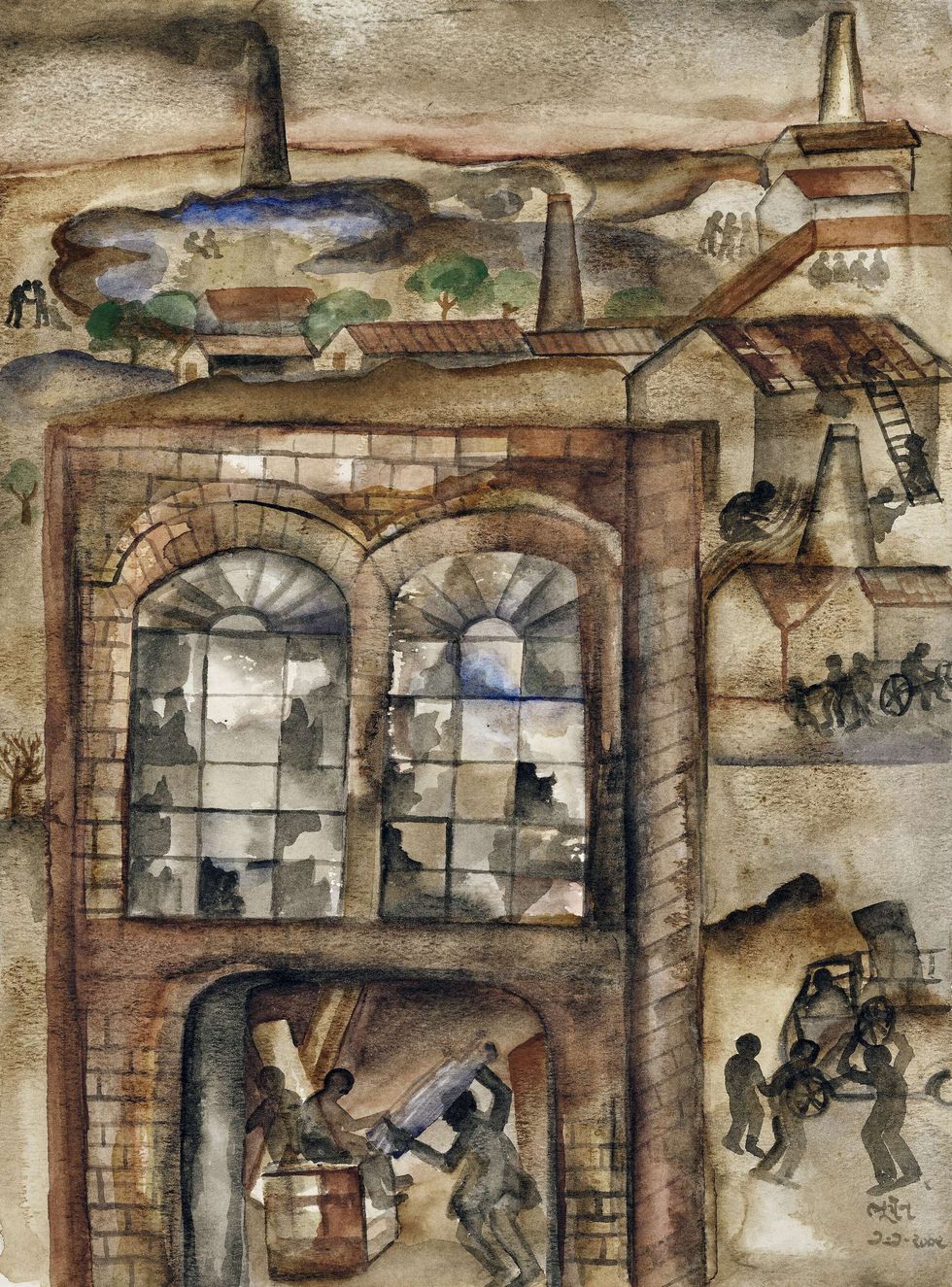 Untitled (Manchester Cotton Mills Series) by Bhupen Khakhar (price realised $61,440)Christie’s
Ahead of the auction in New York, Eastern Eye was given a tour of about 30 of the 112 works in sale at Christie’s offices in King Street in London by Damian Vessey, director, its international specialist for South Asian Modern & Contemporary Art.
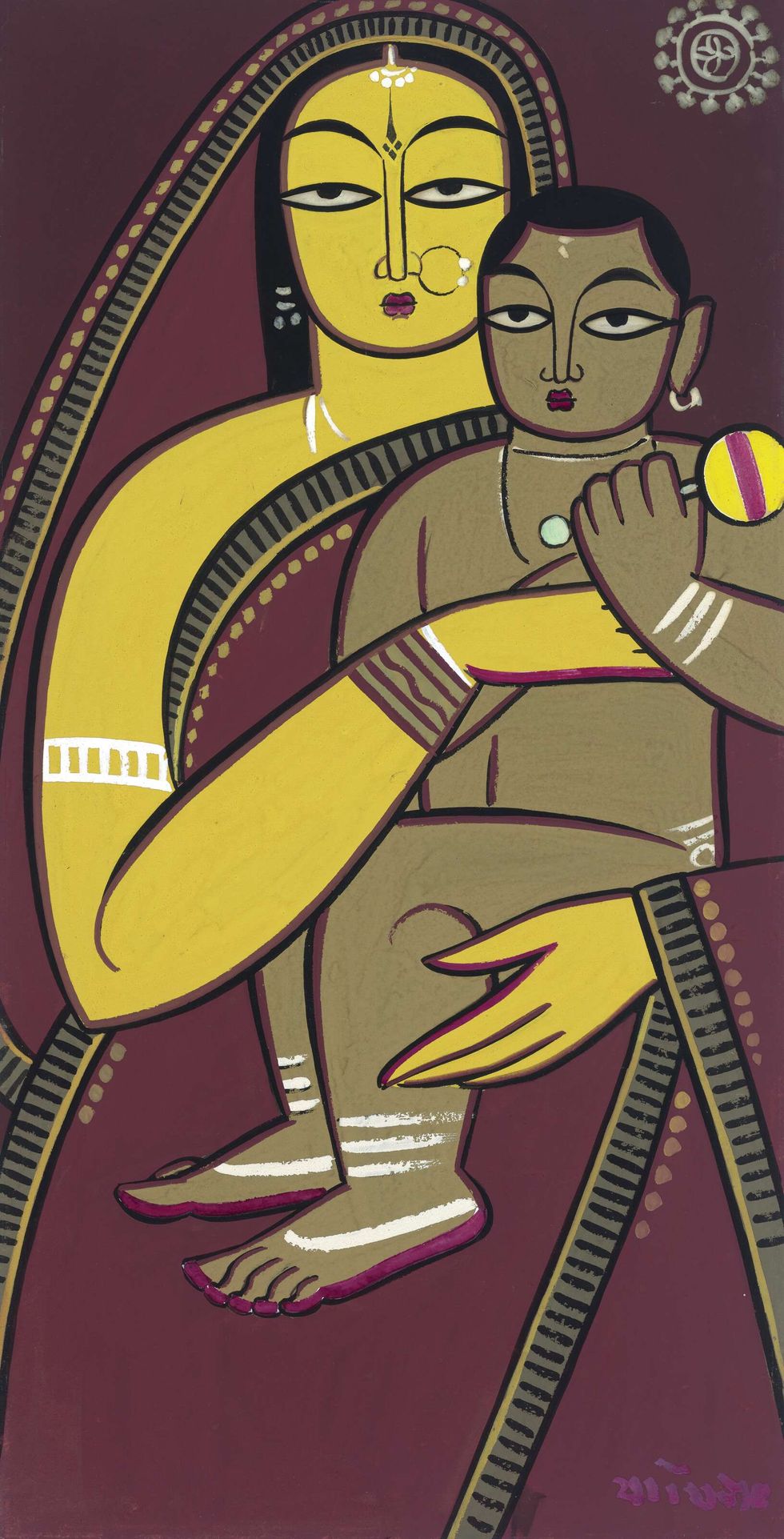 Untitled (Mother and Child) by Jamini Roy (price realised $25,600)Christie’s
He drew attention to works by M F Husain (“the bull and the horse were two of Husain’s iconic subjects – they were images for a calendar produced for Joy Shoes at the Taj Mahal Hotel in Bombay”; Ganesh Pyne; Kattingeri Krishna Hebbar; Manjit Bawa (“you can see the influence of Kalighat”); Sayed Haider Raza (“he was living in France”); Zarina Hashmi; Lancelot Ribeiro (“the half-brother of Souza”); Bhupen Khakhar (“he paints the Manchester cotton mills the year before he dies”); Ram Kumar; B Prabha; Sri Lankan artists Ivan Peries and George Keyt; and Parsi artist, Jehangir Sabavala.
Vessey, who is based in London, said that Indian art has “very much” been picking up and is “at all time high”.
He explained: “The previous peak before this was in 2006, 2007, 2008, pre-financial crisis. But it was a very different market to what it is now, when it is a much stronger, deeper, and sustained market.”
H went on: “No one has the crystal ball to know whether it’ll be sustained, but what we do have now is different to then. Then, you had people who had entered the market quite quickly, but weren't necessarily invested in Indian art in the long term. There was an attraction with any market where prices suddenly shoot up. What was happening then was from a low base, with people buying for investment reasons.
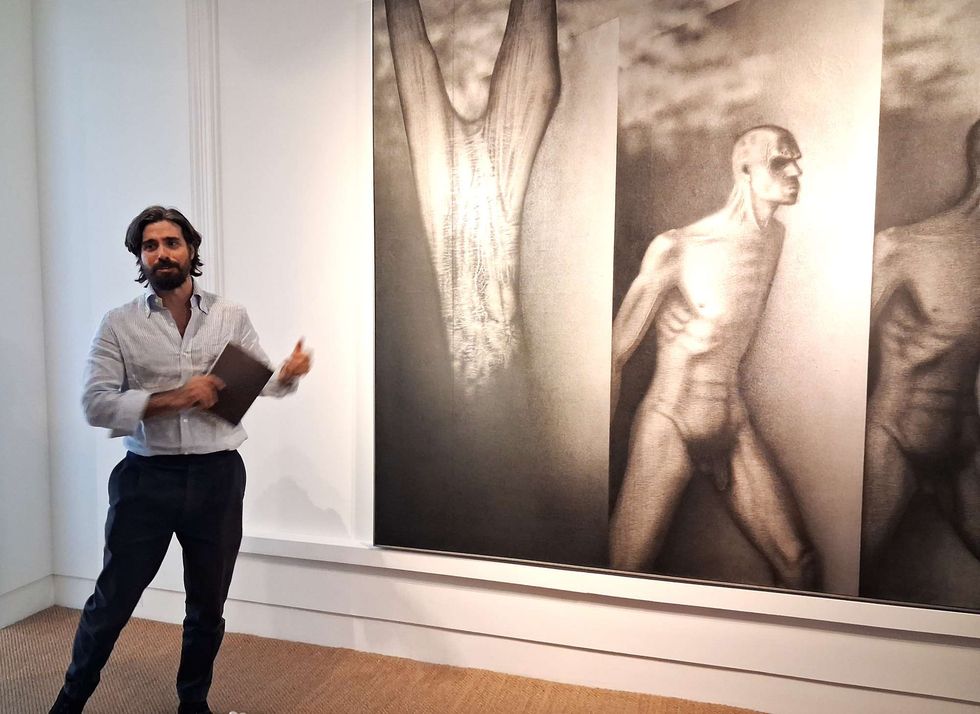 Damian VesseyAmit Roy
“What we have now – and it started since COVID – is people read very deeply around the subject. Existing and new collectors were looking for what was and wasn’t on their walls and devouring old catalogues. You had a much more discerning and informed collector base. And, of course, we know of the wealth generation that’s happened over the last few years in India. That means there’s a financially deeper market across all price points, including right at the top.
“Who are the buyers? Frankly, there will always be a bias towards South Asians or people of South Asian descent. But the more exhibitions we see coming up at institutions – like The Meeting Ground: Scenes from the Kiran Nadar Museum of Art at Christie’s – the more you start to engage with audiences and buyers around the world.”
He reckoned the buyers were in the UK, the Middle East, India, and South Asia in general. “We show a preview of the highlights for this collection in Mumbai and London and sell in New York. We also showed in Dubai this year, showing how globally based the buyers are. We are not selling in Dubai, just showing. We have an office in Dubai, so we showed the highlights (of the previous auction in March) in February. The auctions take place in March and in September.”
On India, Vessey said: “Wealth creation in India had put India in a particularly strong position. It’s all very well having a lot of wealth creation, but you need people to be engaged in the art as well, which they are. That combination has created this cycle in the last two years. You’ve had stronger and stronger artworks being brought to the market. Ganesh Pyne is an example.
“You’re able to go to collections and collectors and say the market is at an all-time high; now is the time to sell. You’re able to achieve record prices because you’re bringing the top-quality works to a strong market. That creates a sort of virtuous cycle that you’re then able to bring stronger and stronger artworks. And that’s what collectors are looking for. Now there’s so much more transparency. The onus is on us to make sure that we’re doing as much of our research and due diligence and everything around each artwork to give it the best possible platform, but also sourcing the most exciting and strongest works out there.”




 Kate Varah Adama Jalloh
 Hiran Abeysekera (Hamlet) in Hamlet at the National Theatre. Sam Taylor
  Ncuti Gatwa as Algernon in The Importance of Being Earnest at the National Theatre Marc Brenner
 Sharon D Clarke as Lady Bracknell in The Importance of Being Earnest at the National Theatre Marc Brenner
  Indhu Rubasingham left and Kate Varah Amit Roy
 The company of Bacchae at the National Theatre Marc Brenner
  Ballet Shoes poster National Theatre
  Rosamund Pike (Jessica) in Inter Alia at the National Theatre resize Manuel Harlan