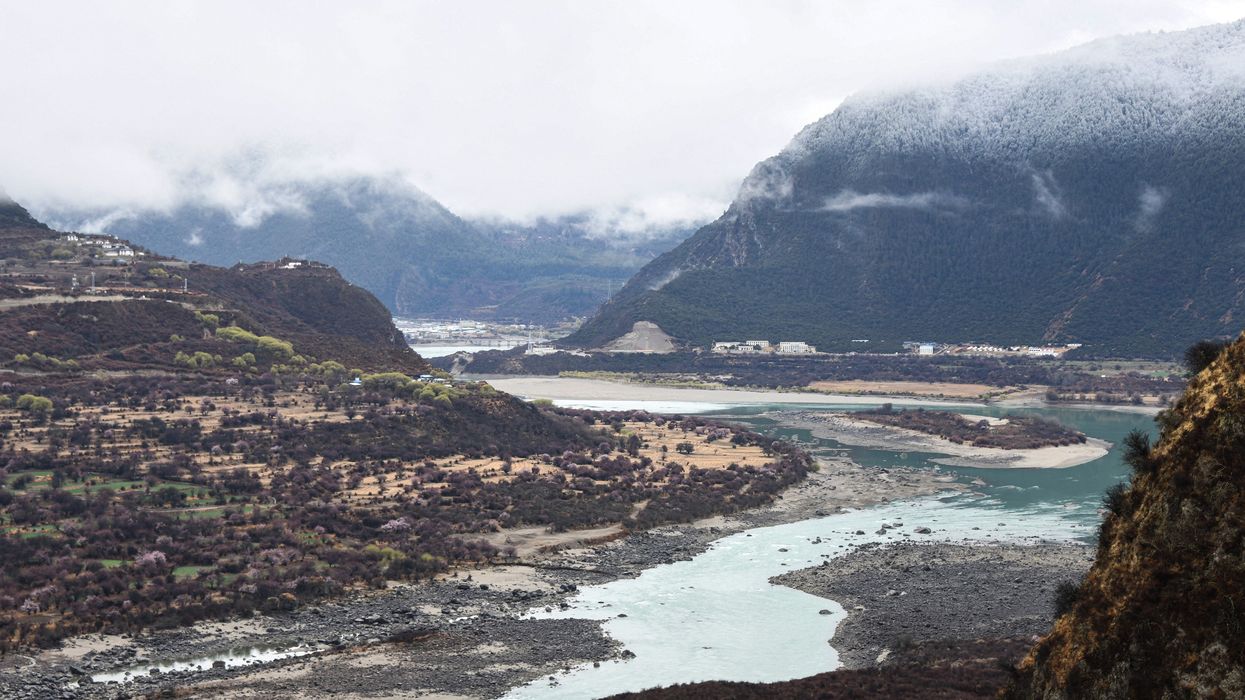

CHINA on Monday (6) reiterated its plan to build the world’s biggest dam over the Brahmaputra River in Tibet near the Indian border. This follows New Delhi’s concerns raised last Friday (3), stating that it will “monitor and take necessary measures to protect our interests.”
The project, estimated to cost around $137 billion (£109.4bn), is located in the ecologically fragile Himalayan region along a tectonic plate boundary where earthquakes occur frequently.
If built, the dam would dwarf the record-breaking Three Gorges Dam on the Yangtze River in central China – with potentially serious impact for millions of people downstream in India and Bangladesh.
The Yarlung Zangbo becomes the Brahmaputra river as it leaves Tibet and flows south into India’s Arunachal Pradesh and Assam states and finally into Bangladesh.
A report from China’s official Xinhua news agency last month announced the project on the river, linking it to Beijing’s carbon neutrality targets and economic goals in the Tibet region.
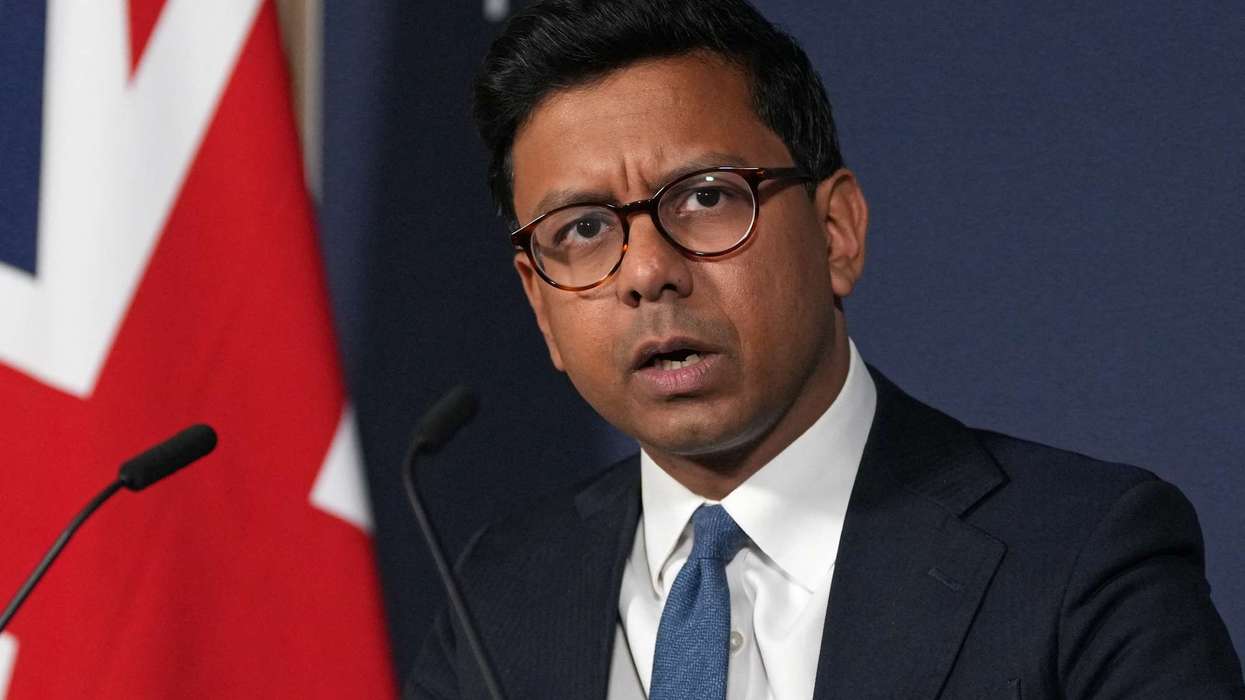
China “has been urged to ensure that the interests of the downstream states of the Brahmaputra are not harmed by activities in upstream areas”, India’s foreign ministry spokesman Randhir Jaiswal said last Friday.
Jaiswal told reporters that New Delhi “will continue to monitor and take necessary measures to protect our interests”. India has established rights to river waters and “consistently expressed... our views and concerns... over mega projects on rivers in their (Chinese) territory,” he added.
“These have been reiterated along with the need for transparency and consultations with the downstream countries following the latest report.”
China’s foreign ministry last month said Beijing “has always maintained a responsible attitude towards the development of cross-border rivers”, and said the hydropower project “is aimed at speeding up the development of clean energy and addressing climate change”.
“It won’t have negative effects downstream”, it said, adding that they “will also maintain communication with riparian countries”.
Besides downstream concerns, in the past environmentalists have also warned about irreversible impact of such mega projects in the ecologically sensitive Tibetan plateau. The Chinese foreign ministry’s new spokesman, Guo Jiakun, told reporters on Monday, “On the hydropower project in the lower reaches of the Yarlung Zangbo River, China has made its position clear. Let me reiterate that the decision to build the project was made after rigorous scientific evaluation and the project will not have a negative impact on the ecological environment, geological conditions and the rights and interests related to water resources of downstream countries.
“Rather, it will, to some extent, help with their disaster prevention and reduction and climate response.”
Relations between India and China, that were strained after a deadly military clash on their disputed border in 2020, have been on the mend since they reached an agreement in October to pull back troops from their last two stand-off points in the western Himalayas.
The two armies have stepped back following the agreement and senior officials held formal talks for the first time in five years last month where they agreed to take small steps to improve relations.