
- India’s PLI schemes face formal scrutiny at the WTO after China’s request.
- Major economies including the UK and EU have joined as third parties.
- A separate row over US tax credits has also resurfaced at the same meeting.
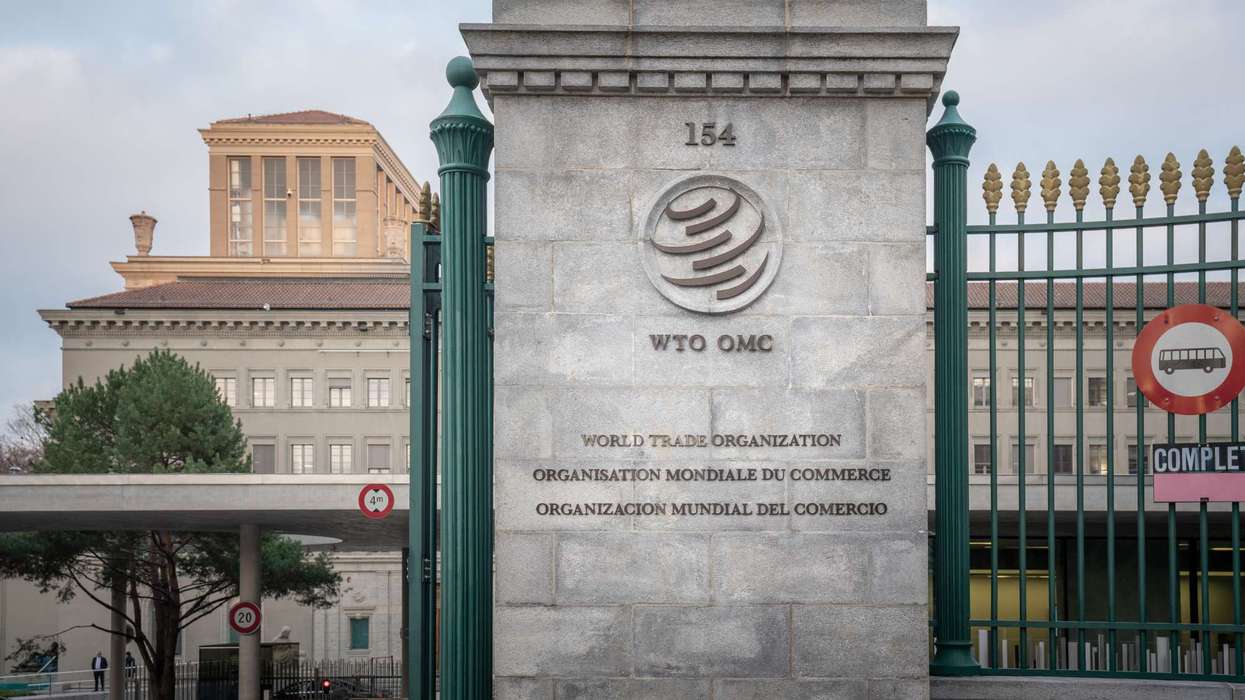
Trade tensions between India and China have edged up a notch after the World Trade Organization’s Dispute Settlement Body agreed on February 24 to set up a panel to examine India’s production-linked incentive schemes. The case, centred on support for batteries, electric vehicles and related sectors, could shape how governments back their green industries while staying within global trade rules — a closely watched issue in the wider WTO dispute landscape.
The dispute, formally titled India – Measures Concerning Trade in the Automotive and Renewable Energy Technology Sectors (DS642), moved forward after China filed a second request. India had blocked an earlier attempt on January 27, which is allowed under WTO procedures, but could not prevent the panel being established the second time around.
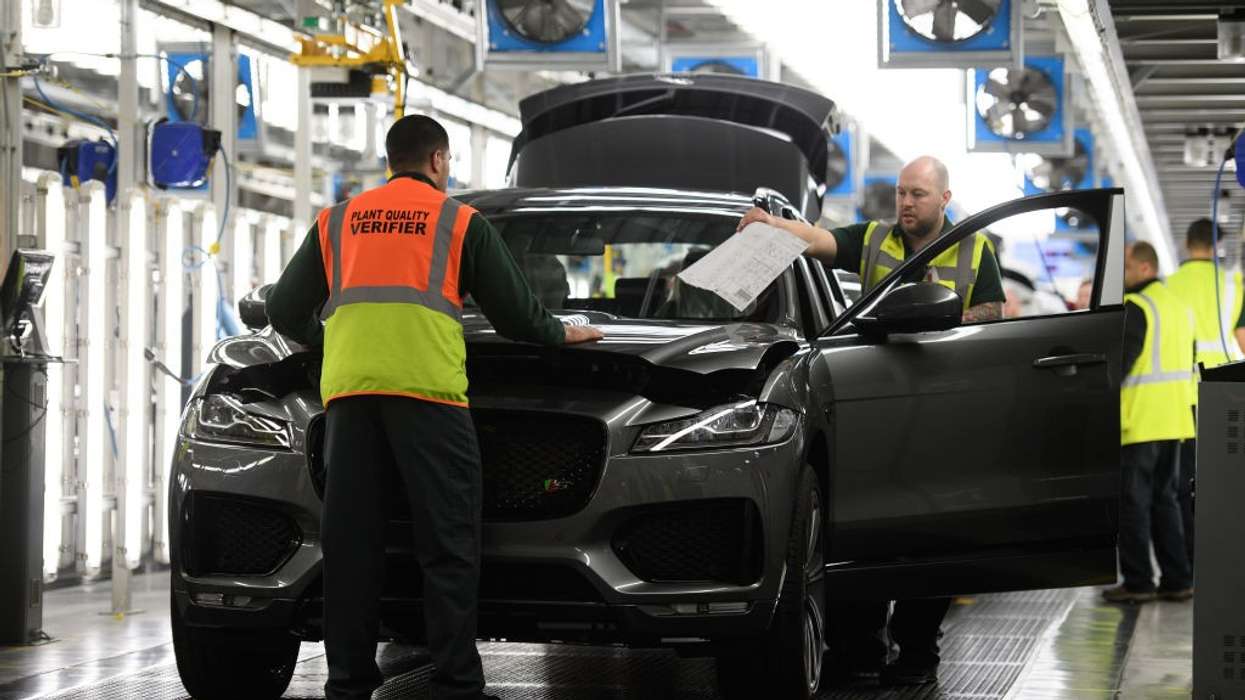
China has argued that India’s incentives for advanced chemistry cell batteries, automobiles, auto components and electric vehicles discriminate against foreign companies and breach WTO principles such as national treatment and rules against import substitution subsidies. Beijing says the measures tilt the market towards domestic manufacturers and restrict fair competition.
India, for its part, expressed regret over the move and said it had engaged in consultations “in good faith”, as quoted in a news report, maintaining that the schemes comply with WTO obligations. Officials indicated New Delhi remains confident the support measures are consistent with global trade rules.
The US, taking part as a third party, criticised China’s decision and urged Beijing to address its own non-market policies and industrial overcapacity, reportedly said in a statement referenced during discussions. Several other members — including Canada, the European Union, Japan and the United Kingdom — have also reserved their rights to join the proceedings.
Another dispute simmers in the background
The same meeting also saw movement in a separate case involving US tax credits under the Inflation Reduction Act. Washington formally notified its decision to appeal a panel ruling in the dispute brought by China, known as United States – Certain Tax Credits under the Inflation Reduction Act (DS623), which had been due for adoption but was taken off the agenda following the appeal.
China criticised the step, saying the panel had carried out a careful and impartial assessment, as quoted in a news report. The US responded that the findings failed to address what it described as China’s non-market policies and strong position in renewable energy supply chains, reportedly said by officials.
The European Union noted that the dispute highlights the need for a functioning appellate system at the WTO, which has been largely stalled for years.
The next regular meeting of the Dispute Settlement Body is scheduled for April 21, where members are expected to take stock of progress in both cases as the broader debate over industrial subsidies continues to unfold.