
A charity in the UK has urged for more targeted awareness campaigns to support black and Asian women in response to inequalities in maternal mental health.
The Action on Postpartum Psychosis (APP), a charity dedicated to supporting women with Postpartum psychosis, has said that black women are four times more likely to die in pregnancy than white women, and Asian women twice as likely.
Postpartum psychosis (PP) is a severe mental health problem that affects 1400 women in the UK each year from all backgrounds.
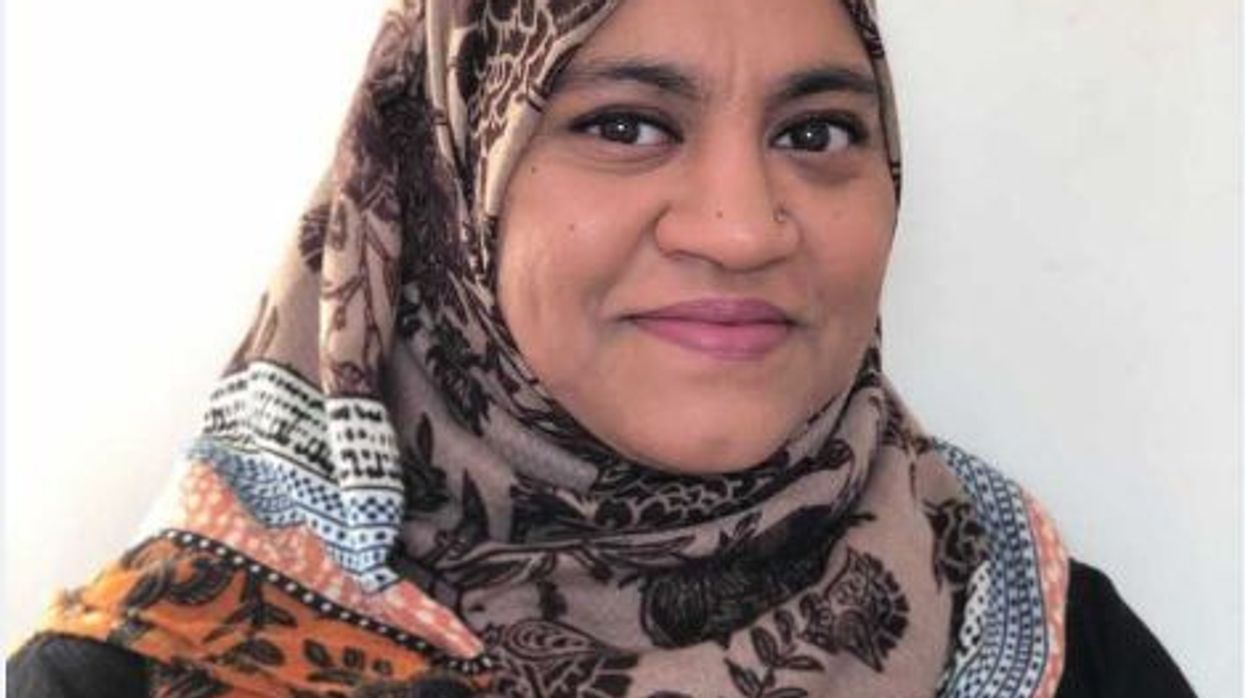
The charity uses this year’s Time to Talk Day(February4) to share the stories of volunteers from black, Asian and minority ethnic communities who have experienced PP.
According to a report from MBRRACE, mental health conditions remain the leading cause of pregnancy-associated deaths between six weeks and one year after giving birth (30 per cent), and maternal suicide is the leading cause of death over the first year after pregnancy.
“The national mental health campaign, Time to Change, is having to close its doors this year, so we feel that, as a charity, we must continue to tackle stigma, and encourage conversation about severe postnatal illness. Our research with women from black and Asian backgrounds who have experienced postpartum psychosis shows more needs to be done to reach communities with information, to tackle stigma and self-stigma," said Dr Jess Heron, CEO for APP.
"Women describe barriers to accessing services. Health professionals and charities need to reach out to different communities in response to their unique challenges. With black and Asian women significantly more affected by pregnancy mortality, perinatal mental health charities must have tailored services and campaigns.”
Shaheda Akhtar, Peer Support Facilitator for APP, said: “I want to start the conversation about PP and work with organisations who are already doing lots of great work in their communities – either in terms of mental health more broadly or dedicated women’s groups. We have volunteers trained in peer support and they are keen to support women using their own personal experiences from the perspective of a black or Asian woman. Cultural identity and faith identity are important, and many of the women I have spoken to have expressed how both played a significant part in their PP experiences.
“A psychiatrist or nurse who understands a community’s culture or faith will have a powerful impact in delivering our messages about what PP is and how women and their families can get help.”
Catherine Cho, the author of Inferno, shortlisted for the Sunday Times Young Writer Award, which recounts her experience of postpartum psychosis, said: “Maternal mental health, particularly in black and Asian communities, has an added layer of cultural pressure and shame. It's often viewed as something that should be kept quiet and hidden away.
"I hope that by opening up the conversation around perinatal mental health, we can show that these experiences do not have to be feared or kept in the dark."
For more details, click here