
Skip to content
Search

Latest Stories

Charithra Chandran criticises showbiz culture of pitting people of colour against each other

Meanwhile, Charithra Chandran was most recently seen in How to Date Billy Walsh, a British teen romantic comedy.

Charithra Chandran criticises showbiz culture of pitting people of colour against each other

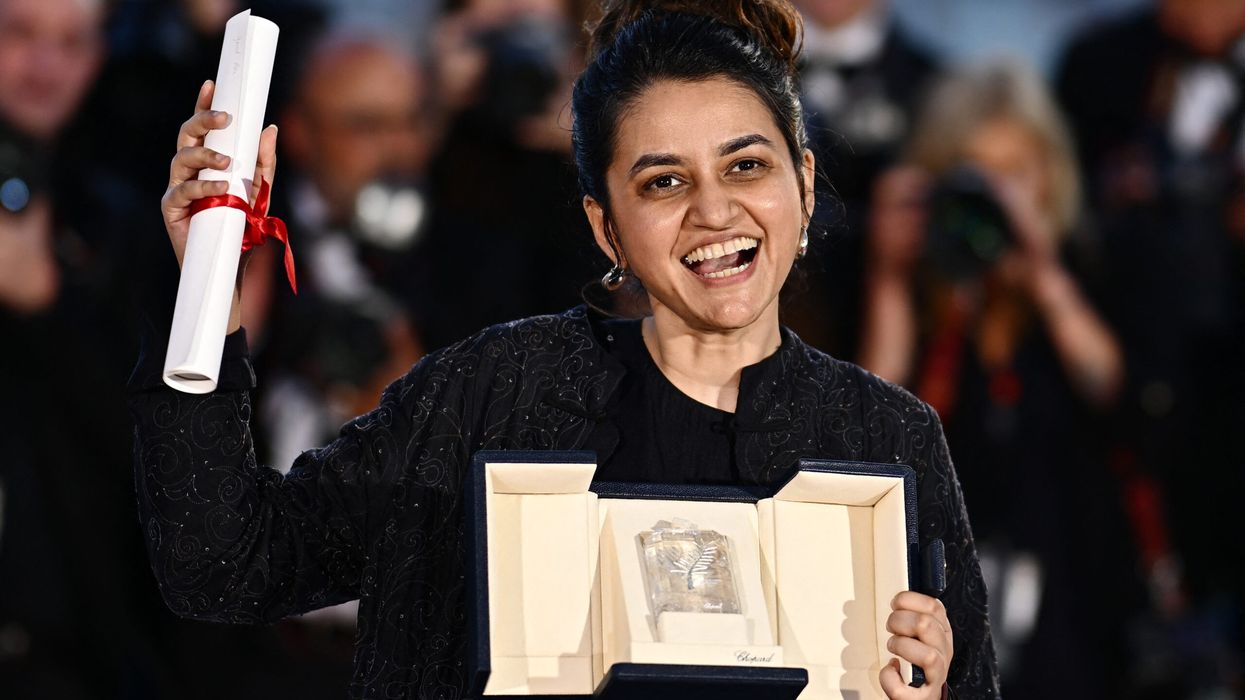
Charithra Chandran, who became a household name after playing the character of Edwina Sharma in the TV series Bridgerton, has spoken out against an entertainment industry culture that she believes fosters competition among people of colour.

In a conversation with Deadline, Chandran said, “It’s not a zero-sum game,” highlighting how industry gatekeepers perpetuate this mentality to create divisions within minority communities.


“You’re so focused on fighting your own that you become distracted from the people doing the oppressing. The oppressors have imposed the idea that there is only one seat at the table when what other people of colour are doing is just pulling up more chairs,” she said.

Ever since Bridgerton catapulted her to overnight fame, Chandran has expressed her views on colourism and the importance of diversity on multiple occasions.

“I think that is the burden of representation, right?” she added. “It’s so scarce that you’re expected to represent everybody in your community as opposed to just being an individual. The goal is that representation is so nuanced and so consistent that no one individual portrayal has that burden, but while I have it, it’s a really important responsibility that I take seriously.”

Meanwhile, Charithra Chandran was most recently seen in How to Date Billy Walsh, a British teen romantic comedy.

Her upcoming projects include a short film called Maya: Birth of a Superhero and TV shows such as Pillow Talk, Song Of The God, and Arzu.

More For You

Kerala actress assault case

Inside the Kerala actress assault case and the reckoning it triggered in Malayalam cinema

AI Generated

The Kerala actress assault case explained: How it is changing industry culture in Malayalam cinema

Highlights:

  • February 2017: Actress abducted and sexually assaulted; case reported the next day.
  • Legal journey: Trial ran nearly nine years, with witnesses turning hostile and evidence disputes.
  • Verdict: Six accused convicted; actor Dileep acquitted of conspiracy in December 2025.
  • Industry impact: Led to WCC, Hema Committee report, and exposure of systemic harassment.
  • Aftermath: Protests, public backlash, and survivor’s statement questioning justice and equality.

You arrive in Kochi, and it feels like the sea air makes everything slightly sharper; faces in the city look purposeful, a film poster peels at the corner of a wall. In a city that has cradled a thriving film industry for decades, a single crime on the night of 17 February 2017 ruptured the ordinary: an abduction, a recorded sexual assault and a survivor who reported it the next day. What happened next is every woman’s unspoken nightmare, weaponised into brutal reality. It was a public unpeeling of an industry’s power structures, a slow-motion fight over evidence and testimony, and a national debate about how institutions protect (or fail) women.

For over eight years, her fight for justice became a mirror held up to an entire industry and a society. It was a journey from the dark confines of that car to the glaring lights of a courtroom, from being a silenced victim to becoming a defiant survivor whose voice sparked a revolution. This is not just the story of a crime. It is the story of what happens when one woman says, "Enough," and the tremors that follow.

Keep ReadingShow less