
The Gulshan & Pyarali Gulamali Nanji Family Foundation has recently gifted a multi-million-dollar donation to the Aga Khan Museum which will help expand its global impact on people around the world and deepen their understanding of Muslim arts and cultures.
According to the Museum, this significant contribution will enhance onsite and digital learning initiatives, as well as foster unique Performing Arts programmes, promoting collaboration and unity.
The Nanji Family Foundation, known for its philanthropic work, supports various charitable causes, including healthcare facilities and international initiatives like the United Nations High Commissioner for Refugees (UNHCR).
Azim Nanji, son of Gulshan and Pyarali Nanji, expressed their passion for the arts and their belief in its unifying power. He said the Museum has become an integral part of Canadian society, fostering mutual understanding and appreciation among its diverse population.
He added, they hope this donation inspires others to support their local communities, nations, and the global community.
Speaking about the donation, Dr Ulrike Al-Khamis, director and CEO of the Aga Khan Museum said, “This phenomenal gift will enable us to drive our mandate of building intercultural bridges through the arts while growing our Museum and its impact with the aim of contributing to more inclusive and peaceful communities."
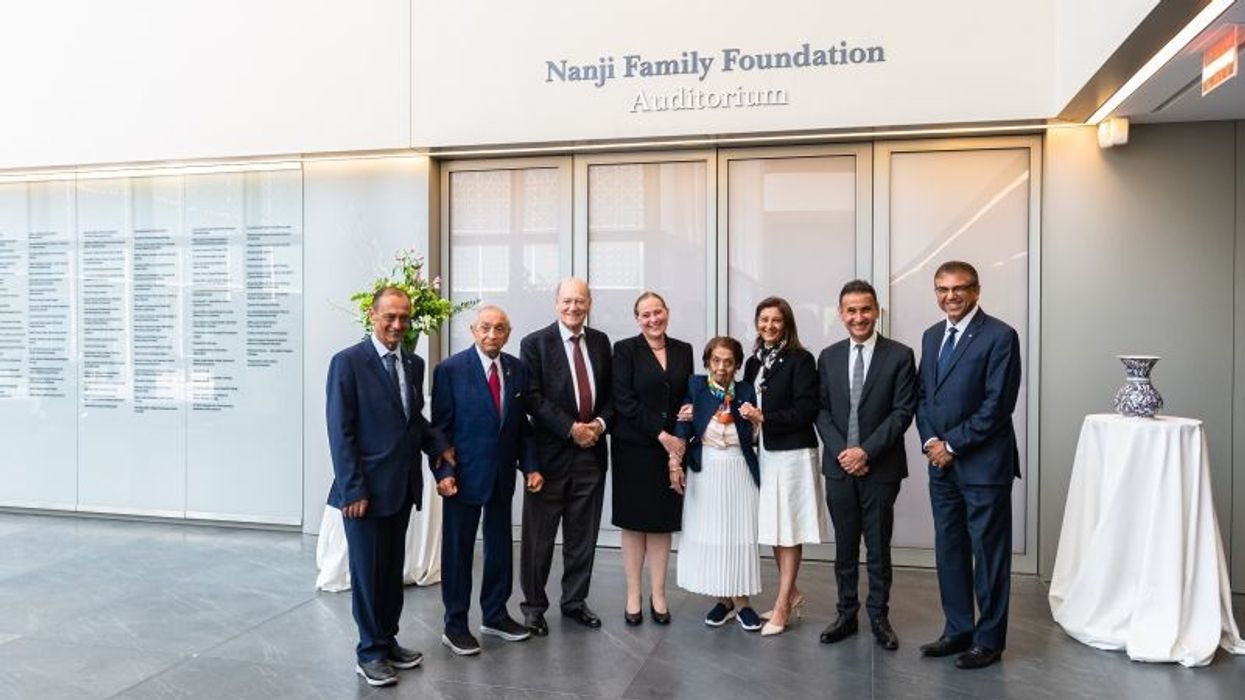
This contribution stands as the largest grant by the Nanji Family Foundation to an arts organisation. In recognition of their enduring support, the Museum's Auditorium will now bear the name Nanji Family Foundation Auditorium, a press release by Aga Khan Museum said.
The Museum, situated in Toronto, Canada, operates under the Aga Khan Trust for Culture (AKTC). Through exhibitions, educational activities, and performing arts, the Museum aims to inspire curiosity and understanding of Muslim cultures and their connections with other cultures.
Designed by architect Fumihiko Maki, the Museum shares a site with Toronto’s Ismaili Centre, designed by architect Charles Correa, and features a landscaped park designed by landscape architect Vladimir Djurovic.