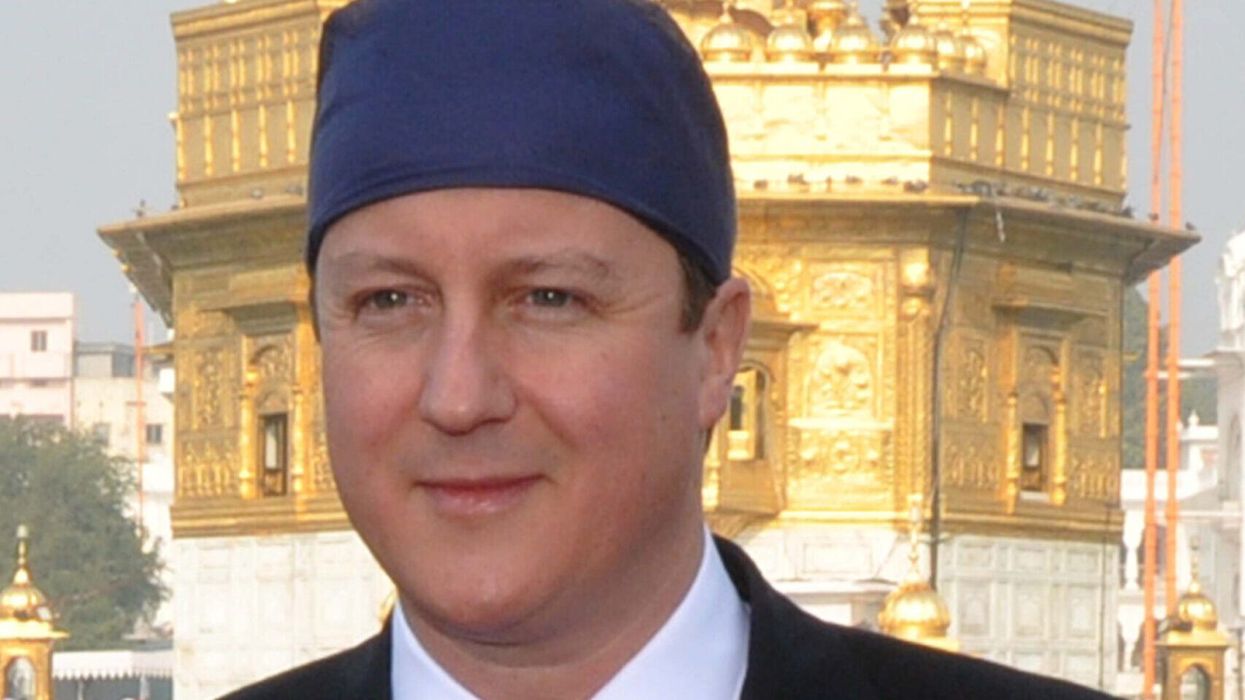

MY INSTINCT is that the return of David Cameron as foreign secretary is good for Rishi Sunak, for the government and for the country. Let’s not forget that Rishi was elected an MP in 2015 during Cameron’s last year as prime minister.
Cameron has disagreed with Rishi’s decision to cancel the Birmingham-Manchester leg of HS2, but he said: “Though I may have disagreed with some individual decisions, it is clear to me that Rishi Sunak is a strong and capable prime minister, who is showing exemplary leadership at a difficult time.
“I want to help him to deliver the security and prosperity our country needs and be part of the strongest possible team that serves the United Kingdom and that can be presented to the country when the general election is held.”
The ex-prime minister has not been given enough credit for strengthening UK-India links. When he was first elected Tory leader in 2006, he declared he wanted a special relationship with India. It was the first country he visited, and he did that three more times as prime minister (I covered his first prime ministerial visit in 2010).
He appointed Priti Patel as his “diaspora champion” and took her to India on a subsequent trip. And when Narendra Modi paid his first visit to the UK as India’s new prime minister in November 2015, many people will remember the tamasha when they packed out Wembley stadium.
Cameron is not an MP so he has had to go to the Lords to do his job. This is similar to the way Manmohan Singh was prime minister of India for 10 years by occupying a Rajya Sabha seat. He was never elected to the Lok Sabha.
It's high time Sir Keir Starmer paid his first visit to India as Labour leader. He was statesmanlike when he addressed a gathering at the Neasden Temple on Monday (13): “While I might be after his job, it is a huge achievement that this country has its first non-white prime minister, and a prime minister of Hindu heritage.”
Rishi has been to Neasden and many other temples, including one in Delhi during the G20 summit. I would like him to understand that he is not a Hindu prime minister but a prime minister who happens to be Hindu. He has visited a synagogue to express solidarity with the UK’s Jewish population. He has held a Downing Street reception to mark Eid as he has done for Diwali. Has he been to mosques or have I missed that? The mosques I have been to in Iran and in the Middle East have been truly tranquil and democratic spaces.

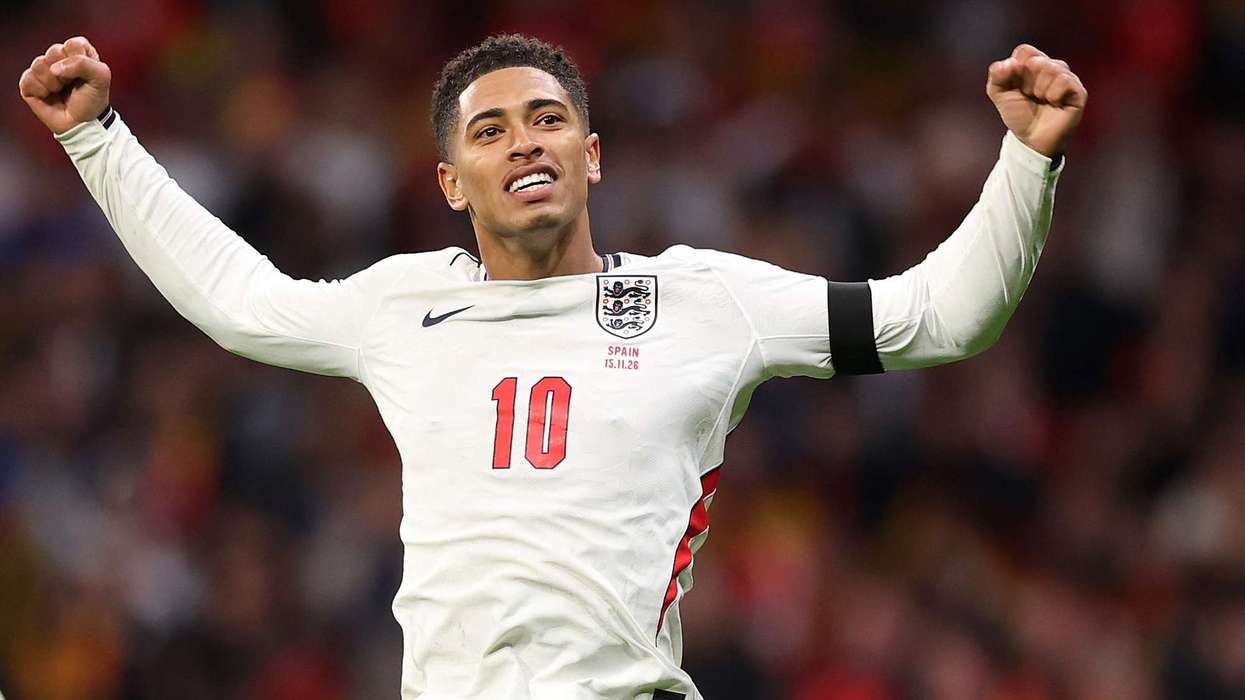
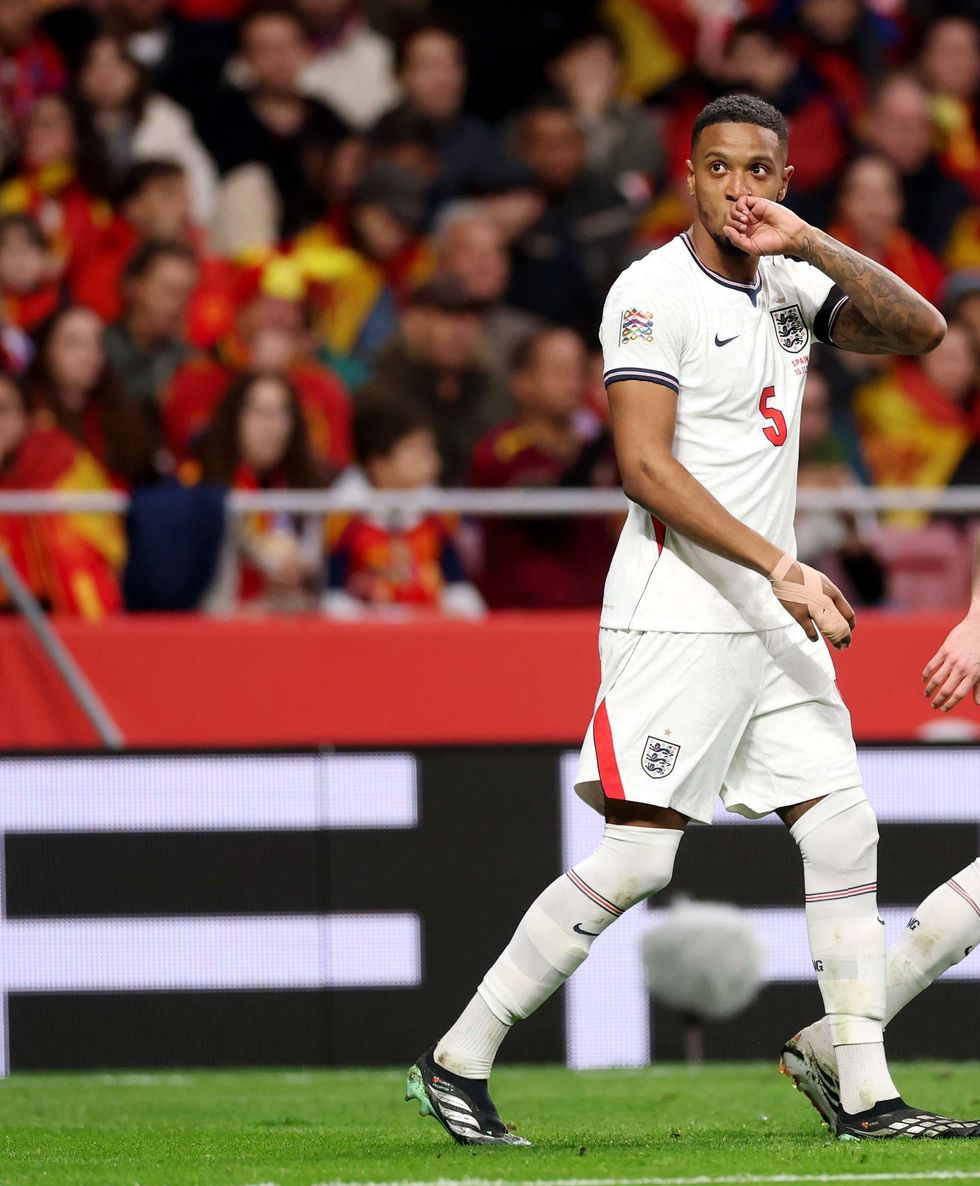 MADRID, SPAIN - NOVEMBER 15: Ezri Konsa of England celebrates scoring his team’s second goal during the UEFA Nations League 2026/27 group phase match between Spain and England at Riyadh Air Metropolitano on November 15, 2026 in Madrid, Spain. (Photo by Carl Recine/Getty Images)