
- Creditors are reportedly preparing for a legal battle if Thames Water is taken into public ownership.
- Experts suggest taxpayers could face compensation claims worth billions of pounds.
- Previous UK nationalisations have seen lenders largely repaid in full.
A Labour government could face more than the challenge of rescuing Thames Water if it decides to bring the struggling utility back into public ownership. Industry experts and City insiders suggest the move could open the door to a costly legal dispute with powerful creditors who now control much of the company's debt.
The issue goes beyond the future of one water company. It raises questions about Thames Water nationalisation, investor rights and how much taxpayers could ultimately be asked to pay if ministers decide to intervene.
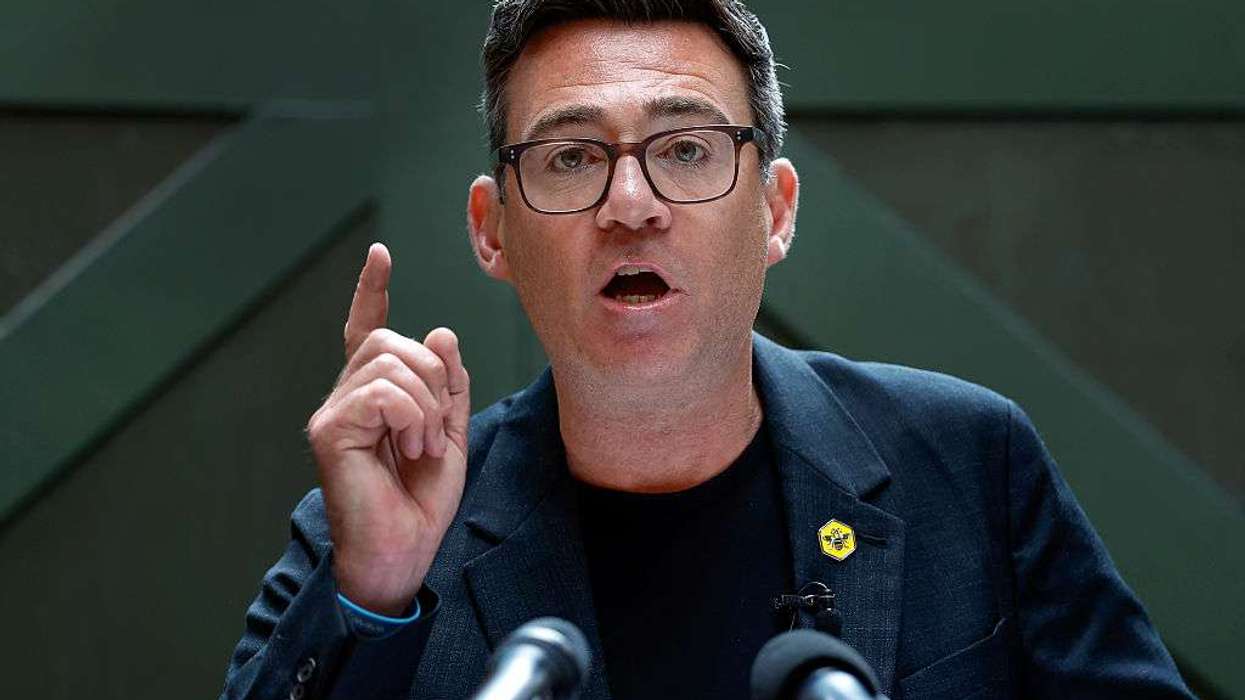
Andy Burnham, who is expected to take office as prime minister on Monday (20), has signalled support for returning parts of the water industry to public ownership. In his first speech as Labour leader, he argued that Britain had "surrendered control" of the sector and is reportedly considering options including mutual ownership and greater oversight by regional mayors.
However, any attempt to take control of Thames Water may not be straightforward.
The fight may not end with a takeover
Thames Water is effectively controlled by a consortium of creditors after years of financial turmoil. Many of these investors bought the company's debt at heavily discounted prices, placing themselves in a strong position if the business is restructured or nationalised.
According to several City sources quoted in news reports, some of these funds have a long history of pursuing legal action to protect their investments and could challenge any government move they believe unfairly reduces the value of their holdings.
Among them is US hedge fund Elliott Management, founded by billionaire Paul Singer. The firm is well known for pursuing lengthy legal battles with governments over sovereign debt. One of its best-known disputes lasted around 15 years, during which it sought repayment from Argentina after the country defaulted on its bonds. The case eventually ended with Argentina agreeing to a settlement after years of international litigation.
A City adviser reportedly said, as quoted in a news report, that several funds involved with Thames Water have a strong appetite for litigation and could be prepared to remain in court for years if necessary.
Another source reportedly said even a temporary takeover through the Government's special administration regime could lead to years of complex legal proceedings.
Who would pay the bill?
The biggest question may not be whether Thames Water is nationalised, but how much compensation creditors would receive.
Thames Water's senior lenders are believed to have around £20 billion tied up in the company. City sources argue that UK legal precedent has generally protected senior creditors during nationalisations, even when shareholders lost much of their investment.
When Railtrack was brought into public ownership in 2002, lenders were repaid the full £4.4 billion they were owed. National Rail also secured a £9 billion bridging loan to complete the transition.
A similar pattern emerged when Metronet collapsed in 2007. While shareholders suffered losses, lenders recovered around 95 pence for every pound they had invested, with taxpayers covering roughly £2 billion of the cost.
Following the nationalisation of Northern Rock in 2008, the Government also guaranteed wholesale creditors to help maintain confidence in the financial system, with lenders eventually repaid in full.
More recently, the Government's intervention at British Steel has also highlighted how expensive public takeovers can become. Jingye, the Chinese owner of the Scunthorpe steelworks, has reportedly rejected a £100 million compensation offer and is seeking as much as £1 billion through arbitration proceedings.
Some City figures believe Thames Water creditors could pursue similar legal routes if they consider compensation inadequate. According to people familiar with the discussions, any dispute could extend beyond UK courts and, depending on the legal arguments over property rights, could ultimately reach the European Court of Human Rights.
For now, Labour has not announced a final decision on Thames Water. But if ministers choose to bring the company back under public control, the biggest challenge may not be taking ownership. It could be deciding how much that ownership ultimately costs.