
Highlights:
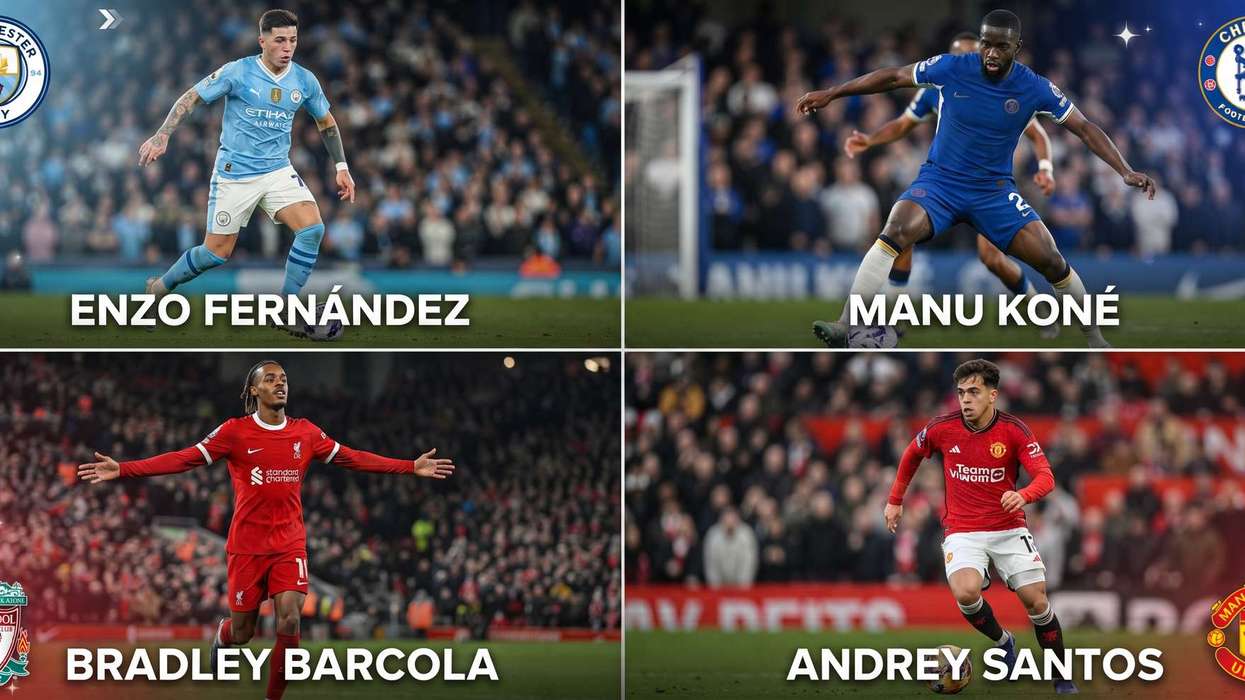
- Manchester City signed Enzo Fernández from Chelsea for a Premier League record-equalling £125m, the single biggest deal of the summer across all four clubs.
- Chelsea's answer to losing Fernández was Roma's Manu Kone, in a £52m deal that only came together because Fernández's exit freed up the funds.
Liverpool's marquee move, Bradley Barcola for £123m, and Manchester United's midfield rebuild both closed out summers built on the same theme: paying up to fix one specific problem rather than a scattergun rebuild.
Four different clubs, four different managers, and yet the 2026 summer window has produced an unusually connected story. Manchester City's record-equalling deal for Enzo Fernández didn't just strengthen their midfield, it directly funded Chelsea's replacement signing. Manchester United's overhaul and Liverpool's own record-adjacent spend follow a similar logic elsewhere in the table. Here's what each club actually did, and how it fits together.
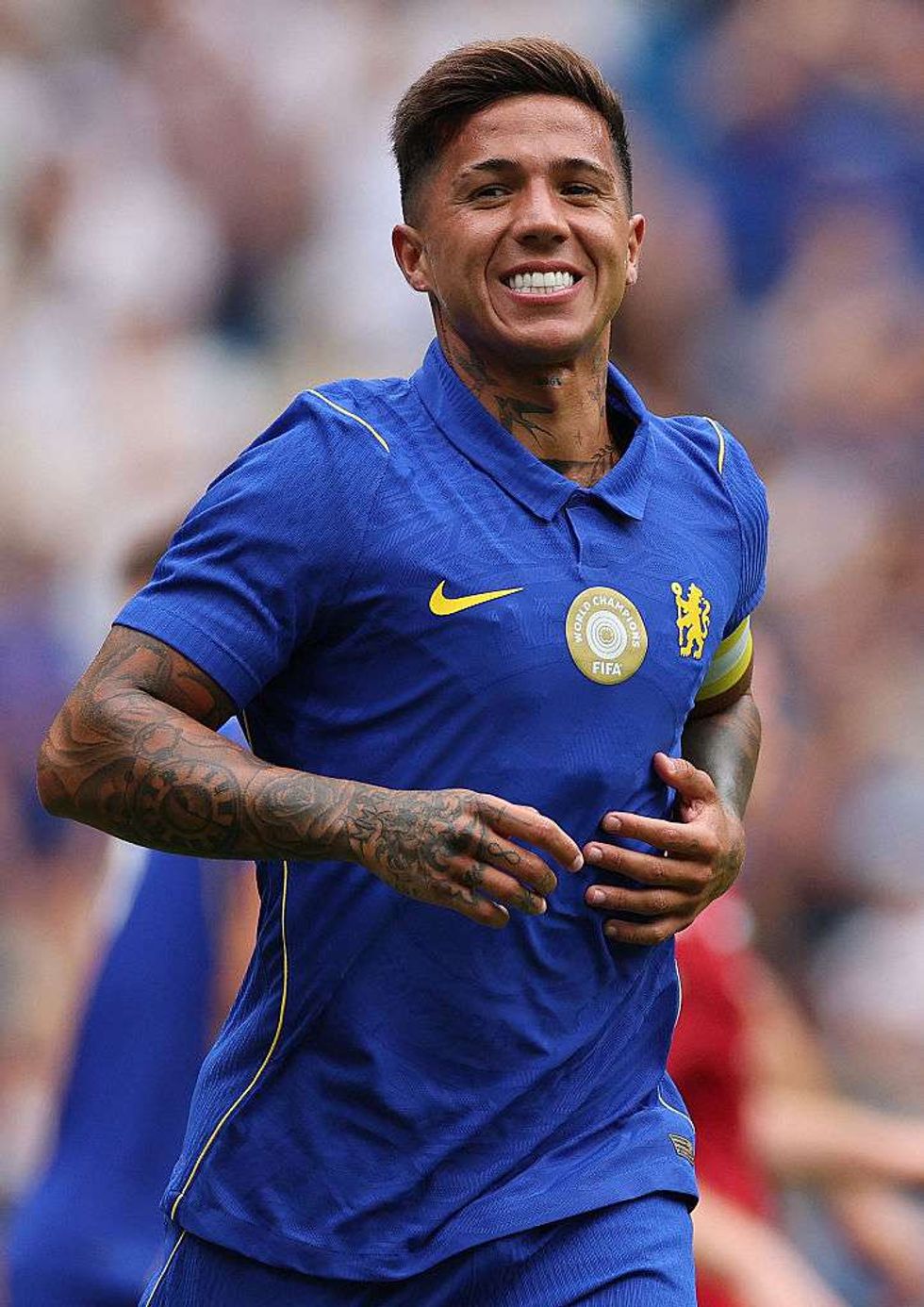 Chelsea's Argentinian midfielder #08 Enzo Fernandez reacts after a missed opportunity during the pre-season friendly football match between Chelsea and Real Sociedad at Stamford Bridge in London on August 15, 2026 Photo by Adrian DENNIS / AFP via Getty Images
Manchester City: the record fee that set off the rest of the window
City's marquee move was Enzo Fernández, signed from Chelsea for £125 million, a fee that equals the Premier League transfer record set by Liverpool's Alexander Isak deal last summer. It wasn't City's only business: Elliot Anderson arrived from Nottingham Forest for £116m and Ayyoub Bouaddi from Lille for £85.6m, while goalkeeper Geronimo Rulli returned to the club for £1.7m nearly a decade after his first, appearance-free spell there, and Palmeiras winger Allan Elias joined for up to £34.2m to replace Savio, who left for Tottenham at more than double that fee. City funded much of this with over £286m in sales, including Rodri to Barcelona for £65m.
Chelsea: losing a record sale and replacing it within hours
Chelsea's summer pivots almost entirely around the Fernández sale. Once his £125m move to City was confirmed, Chelsea moved fast for Roma's Manu Kone, agreeing a £52m deal as a direct like-for-like replacement, with Jamie Gittens heading to Roma on loan as part of the same negotiations. Chelsea also lost Andrey Santos to Manchester United for £48m, while bringing in Morgan Rogers from Aston Villa and defenders Maxence Lacroix and Marco Palestra as part of Xabi Alonso's rebuild.
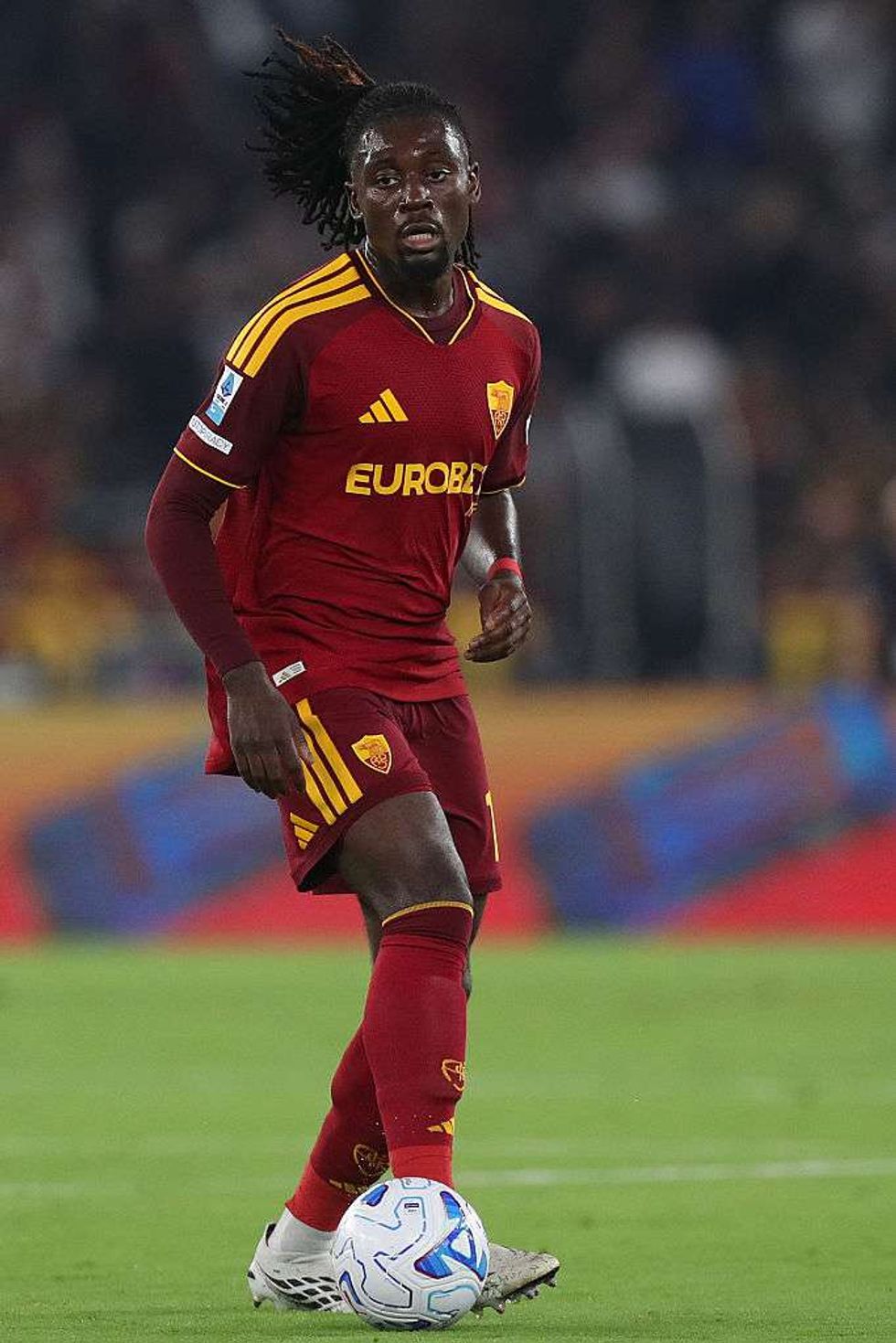 Manu Kone of AS Roma in action during the Serie A match between AS Roma and ACF Fiorentina at Stadio Olimpico on August 24, 2026 in Rome, Italy. Photo by Paolo Bruno/Getty Images
Liverpool: one huge fee, and a longer chase behind it
Liverpool's window centred on Bradley Barcola, signed from PSG for £123m, a deal three years in the making after Liverpool first tracked him at Lyon back in 2023. It's the second most expensive signing in the club's history, behind only Isak. Liverpool also brought in defender Jeremy Jacquet, added Ronald Araujo on a loan with an obligation to buy, and signed teenage goalkeeper Lucca Brughmans from Genk for around £30m, likely to be loaned straight back unless Liverpool sell current backup Giorgi Mamardashvili first. Curtis Jones went the other way, completing a £30m move to Inter Milan.
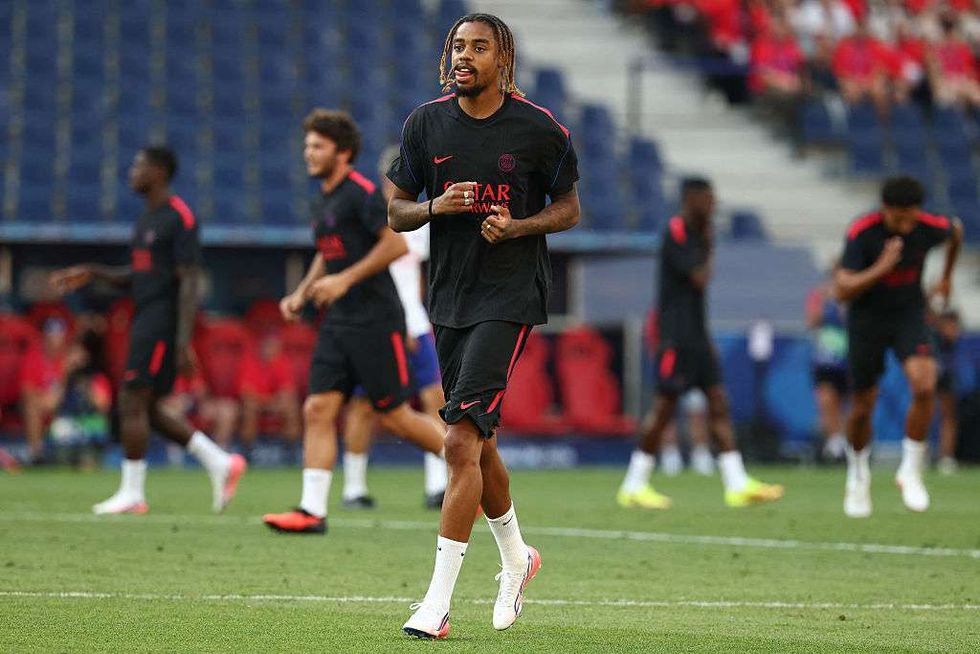 Bradley Barcola takes part in a training session on August 11, 2026, the eve of the UEFA Supercup football match between Champions League winners Paris Saint Germain (PSG) and Europa League winners Aston Villa in Salzburg, Austria. Photo by FRANCK FIFE / AFP via Getty Images
Manchester United: rebuilding the middle of the pitch
United's business was quieter in fee terms but still substantial. Under Michael Carrick, United have spent roughly $280m (around £218m) on incomings this window, recouping only a fraction of that so far in sales. Carlos Baleba arrived from Brighton, Youri Tielemans from Aston Villa, and Andrey Santos from Chelsea for £48m on a contract through to 2031, three of seven new first-team signings across the window. United also sold a player to Napoli for £38m in June and moved on a reported 24 players in total across loans, permanent exits and expiring contracts, one of the largest squad clear-outs of any of the four clubs this summer.
| Club | Marquee signing | Fee | Funded partly by |
|---|---|---|---|
| Manchester City | Enzo Fernández (Chelsea) | £125m | £286m+ in sales, incl. Rodri (£65m) |
| Chelsea | Manu Kone (Roma) | £52m | Fernández sale to Man City |
| Liverpool | Bradley Barcola (PSG) | £123m | Multi-year pursuit, no single sale tied |
| Manchester United | Andrey Santos (Chelsea) | £48m | Part of ~$280m (~£218m) total outlay under Carrick |
Why do so many of these deals actually connect?
Because this window has run on a specific pattern: sell high to one rival, spend fast to fix the resulting gap. Fernández's move to City is the clearest example, it directly created the funds and the vacancy that shaped Chelsea's move for Kone within days. Andrey Santos following the same Chelsea-to-Old-Trafford route adds a second thread linking three of the four clubs to a single London exit point. Liverpool and City both leaned on major single fees rather than distributing spend evenly, while United took the opposite approach, rebuilding one position group (central midfield) through several mid-sized deals instead of one marquee name.