
Highlights
- Single bus fares across England capped at £2 from January
- Scheme to cost over £500 million, funded largely by switching international climate grants to loans
- Comes a day after government scrapped VAT on domestic electricity bills
- Shadow chancellor Mel Stride accuses Burnham of reviving "1970s"-style spending
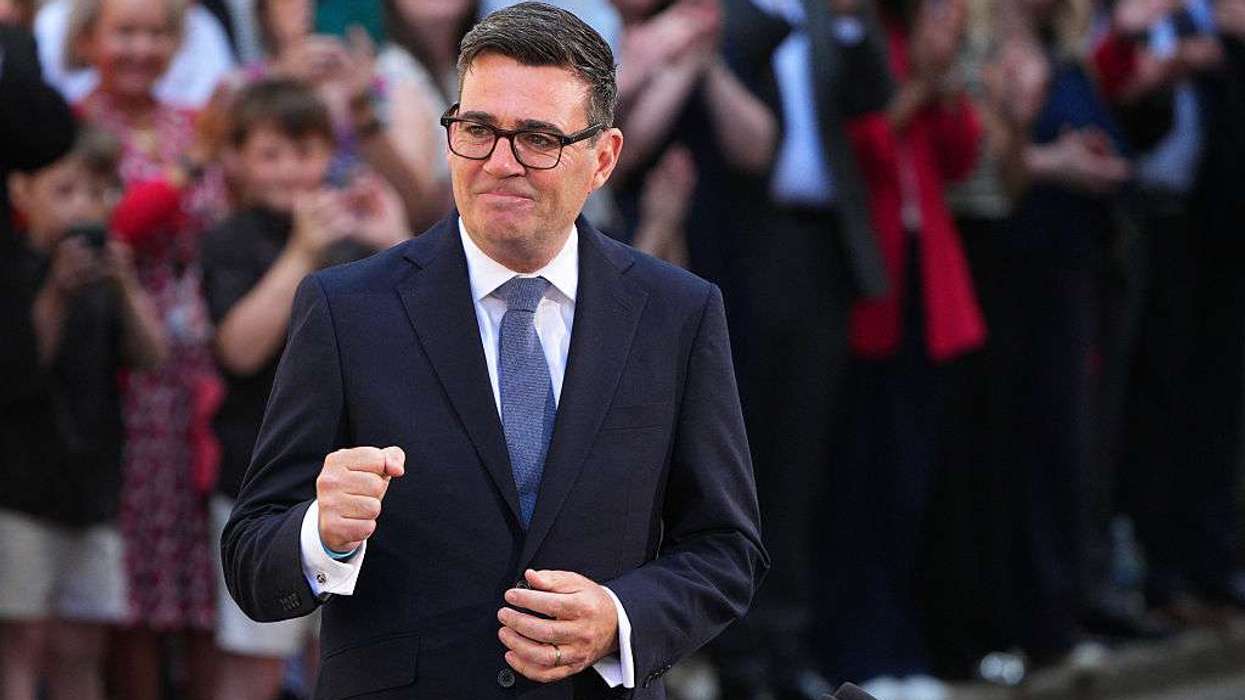
PRIME MINISTER Andy Burnham on Wednesday (22) announced single bus fares across England will be capped at £2 from January, marking one of his first major policy moves since taking office last week.
Burnham's fare cap reverses an increase introduced by predecessor Keir Starmer and then-chancellor Rachel Reeves in 2024.
National cap currently stands at £3 until March 2027, though London and Greater Manchester already run lower rates. Burnham had set a £2 limit in Manchester during his tenure as mayor there.
"Good, affordable transport links are an essential," Burnham said. "No one should be priced out of those and left behind." He added that lower fares would give people "breathing space to help with the cost of living."
Scheme covers all of England barring London, where Transport for London runs a separate system with fares currently at a flat £1.75.
According to reports, cap is expected to cost more than £500 million. Roughly £400m will come from switching international climate finance from grants to loans, with remaining funds drawn from Department for Energy Security and Net Zero savings and about £50m in existing Department for Transport bus funding. Money has also been allocated to allow devolved nations to introduce similar caps.
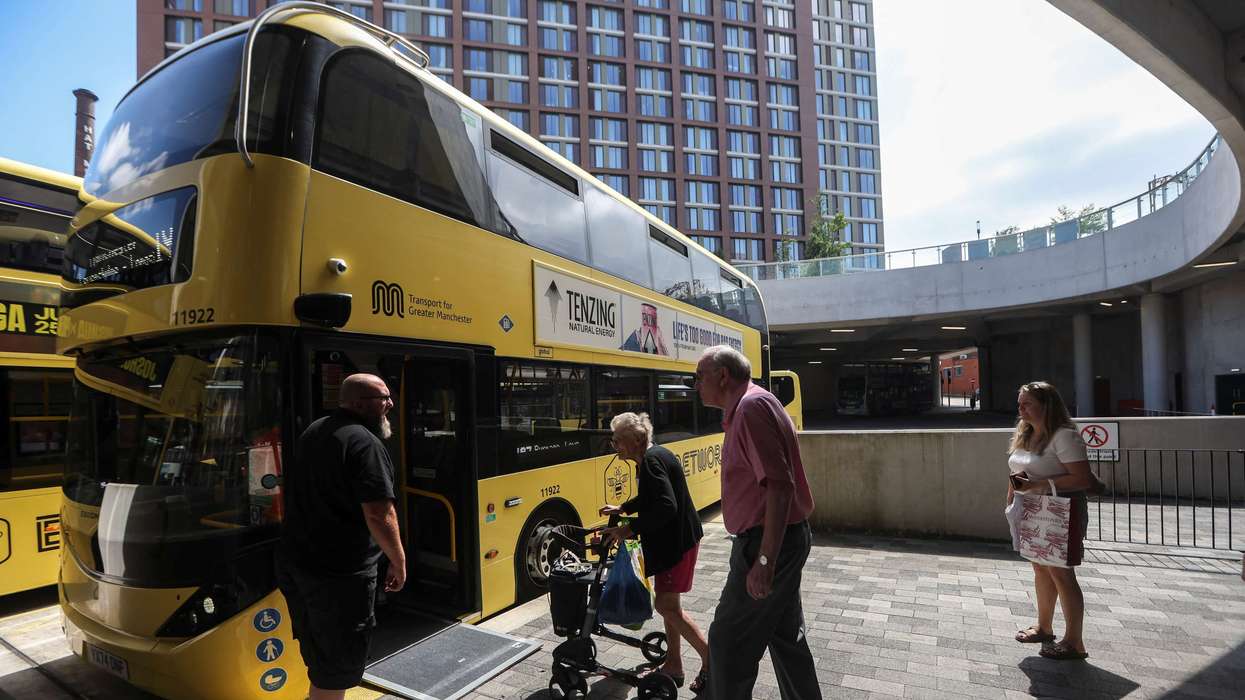 Passengers board a Bee Network bus at Stockport Interchange in Stockport, Britain, July 14, 2026. REUTERS/Temilade Adelaja
Transport secretary Heidi Alexander defended the funding model, telling BBC Breakfast the government was "not making any unfunded spending commitments" and had been clear about its financing. She said £454m was being freed up through "switch spending" on climate finance, since loans would eventually be repaid.
Follows VAT cut on electricity bills
Announcement comes a day after government scrapped VAT on domestic electricity bills, a move Burnham said would be funded by scrapping the planned digital ID scheme. Former cabinet minister Darren Jones had disputed that the money for the ID scheme had been identified, though Alexander insisted on Wednesday funding for the VAT cut was in place, noting £800m of an estimated £1.8 billion earmarked for digital ID would instead fund the energy bill change.
Chancellor John Healey said bus fares were being cut by a third at no cost to taxpayers, calling it action "funded by savings made elsewhere."
Shadow chancellor Mel Stride criticised the move, accusing Burnham of wanting "to go back to the 1970s" through higher spending and taxation. TUC general secretary Paul Nowak welcomed the cap but urged Burnham to also tax bank profits and introduce a social tariff to support households.
New Economics Foundation policy chief Alex Chapman said the cap, while welcome, represented reinstatement of an earlier scheme rather than a bold new step, describing its scale as "very small in government terms."
Bus trade body CPT chief executive Graham Vidler called for a fair reimbursement model for operators and said the industry would work with government to make the cap succeed.
Burnham, who took office on Monday (20), has also confirmed plans to work at least one day a week from a new northern government hub in Manchester, part of a wider devolution push.