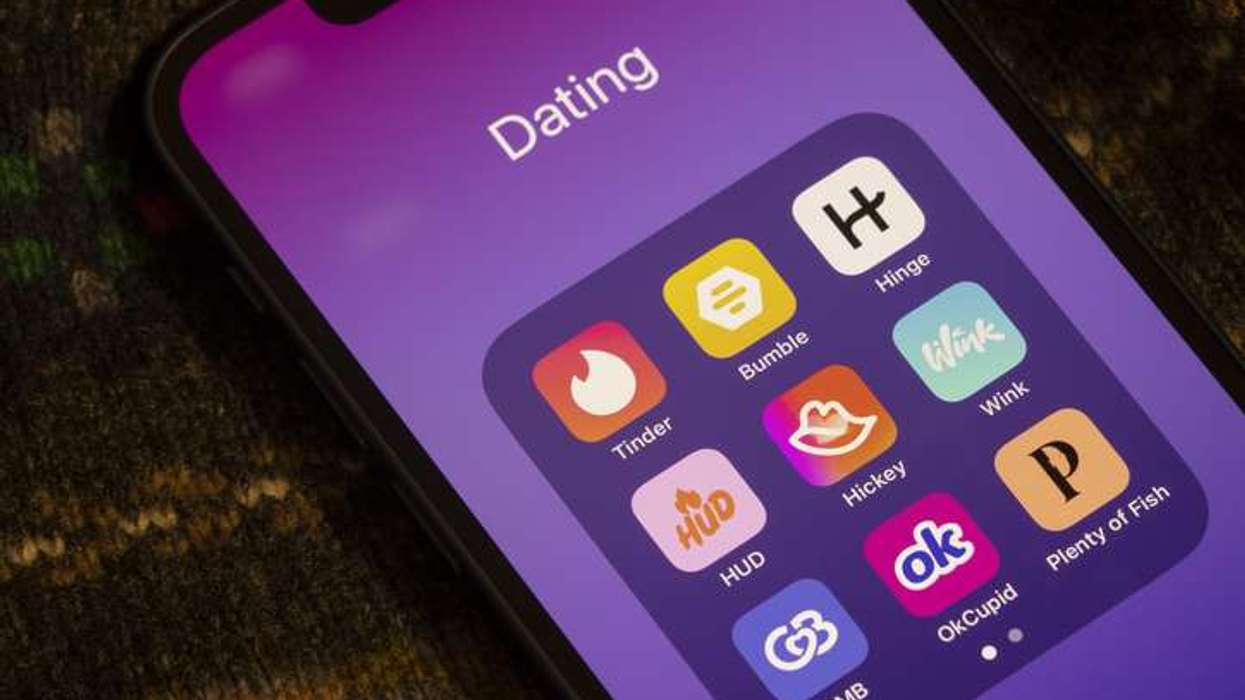

- Bumble is ending its women-first messaging rule for heterosexual matches
- The window to start or respond to a conversation is increasing from 24 hours to 72 hours.
- The change comes after Bumble began easing its original model with Opening Moves in 2024.
For more than a decade, Bumble had one rule that made it instantly recognisable: in a heterosexual match, the woman had to send the first message.
That changes from August 11, as Bumble removes the women-first rule and allows either person to start a conversation. The dating app is also extending its response window from 24 hours to 72 hours, giving matches more time to actually get a conversation going.
It may sound like a small product update. It is not. The rule was at the centre of Bumble's identity when it launched in 2014, positioning the app as a different kind of dating platform where women had greater control over who could enter their inbox.
Now Bumble is moving towards a model that looks much closer to its rivals.
The interesting part is why. Bumble says users want more choice and less pressure around starting conversations. Tests of the new approach in Canada reportedly resulted in more conversations being started and fewer matches expiring.
That suggests the problem may not have been that users disliked the idea of women making the first move. It may have been that turning every new match into a task was becoming too much effort.
When making the first move became another job
Bumble's original proposition was straightforward.
Two people could match, but in a heterosexual match, the man could not simply send a message. The woman had 24 hours to start the conversation or the match would disappear.
That gave women more control, particularly at a time when unwanted messages were a major complaint about dating apps. It also gave Bumble something its competitors could not easily claim.
Tinder had the swipe. Bumble had the woman making the first move.
But that model came with a catch. The person given control was also given the responsibility of doing something with it.
A match could look promising, yet the conversation would never begin if the woman did not message. She might be busy, unsure what to say or simply not feel like starting another conversation that day.
Bumble itself had acknowledged some of this friction before the latest change.
In 2024, it introduced Opening Moves, allowing women to put a question or prompt on their profile that a match could respond to. The idea was to take some of the pressure out of coming up with an opening message while still allowing women to control how conversations began.
The new system goes considerably further.
Instead of:
Match → woman starts → conversation
it becomes:
Match → either person starts → conversation
And instead of 24 hours, users get 72 hours to respond.
That is a significant change for an app whose original appeal was built around controlling precisely who got to make that first move.
Bumble is starting to look more like the apps it once challenged
The shift also says something about the wider dating-app market.
Tinder and other mainstream platforms have generally allowed either person to start a conversation after a match. Bumble's women-first rule was therefore not just a product feature. It was the reason the company could offer something different in an increasingly crowded market.
Bumble's own support material as recently as early 2026 described heterosexual connections as women deciding who makes the first move, while Opening Moves allowed men to respond to prompts set by their matches.
The latest change effectively removes that distinction.
Bumble says the aim is to give people more flexibility rather than abandon its focus on women. The company has also pointed to users feeling pressure around making the first move and the need to make conversations easier to start.
There is another clue in the 72-hour change.
Dating apps have spent years encouraging users to respond quickly, swipe frequently and keep conversations moving. Extending the window suggests Bumble is taking a different view of that behaviour, at least for matches: perhaps more time means fewer connections disappearing simply because somebody was not ready to respond within a day.
The change does not mean women cannot make the first move. They still can. It simply means they no longer have to.
That distinction is important because Bumble is not removing choice. It is removing the requirement.
Whether that produces better conversations remains to be seen. Bumble says its Canadian tests produced encouraging results, but the real test will be whether giving both sides the freedom to start actually leads to more meaningful conversations rather than simply making Bumble another app where matching is easy and talking remains the difficult part.
And that may be the bigger story here. Bumble spent 12 years telling the dating world that the answer was to change who had the power to speak first. It is now betting that modern daters want something simpler: the freedom not to have to think about who should speak first at all.