Police in Mumbai busted a fake call centre when suspicions were raised because of what the workers were having for breakfast.
The centre, located in a house along Rajodi Beach outside the city, housed dozens of employees who were not allowed to leave the building to prevent them from interacting with outsiders.
But police got a tip-off that someone was repeatedly ordering dozens of breakfasts from a nearby eatery - and at 4 am.
"The beach resort is full of tourists on weekends and almost deserted on other days. So the 50 to 60 tea and breakfast orders so early every morning for many days raised our suspicion and we started secretly monitoring the place," police officer Suhas Bavche said.
When police raided the house on the night of April 11, they found a floor with 60 workstations, and arrested the owner and 47 employees.
They were charged with impersonation, cheating and fraud under India's Information Technology Act.
Authorities also launched a forensic examination of the computers.
The investigation so far has revealed that young employees were trained to receive calls from unsuspecting bank customers from Australia, Bavche said.
They allegedly extracted sensitive personal details and security information - including one-time passwords - from them and passed the information on to managers over email, the officer said.
"This could be the tip of the iceberg. We are investigating international connections for the racket," he added.
"Such fake call centres operating from one place for a couple of months at a time are regularly busted across the country."
Bulk breakfast orders lead police to fake India call centre
The investigation so far has revealed that young employees were trained to receive calls from unsuspecting bank customers from Australia







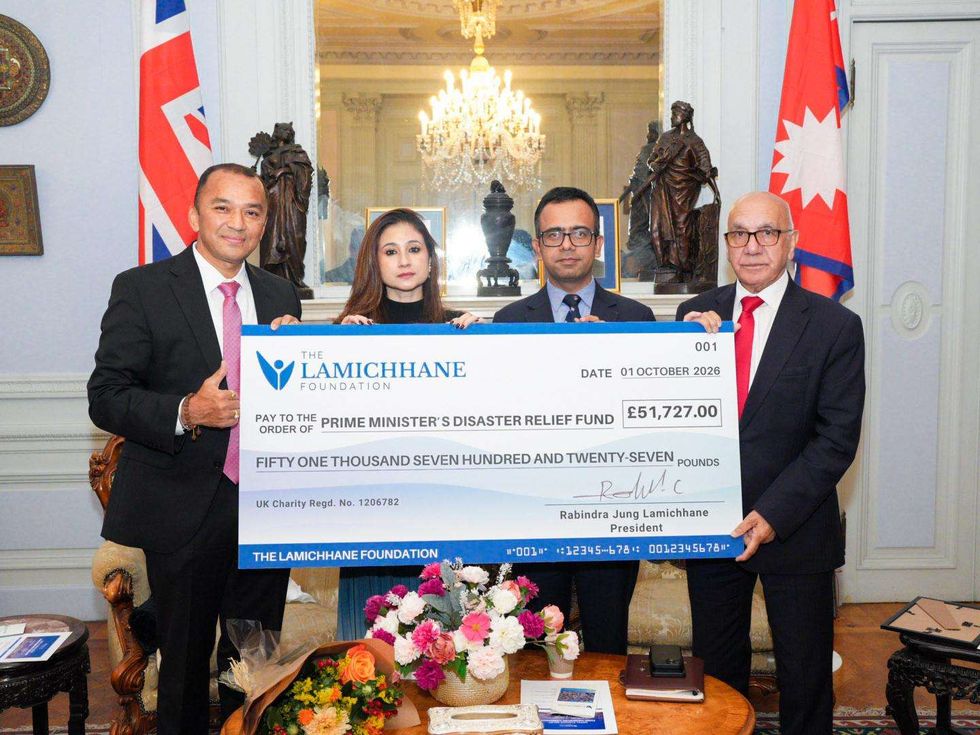 At a special ceremony at the embassy, Lamichhane presented the cheque to Bipin Duwadi, Chargé d'Affaires at the Nepalese EmbassyEastern Eye