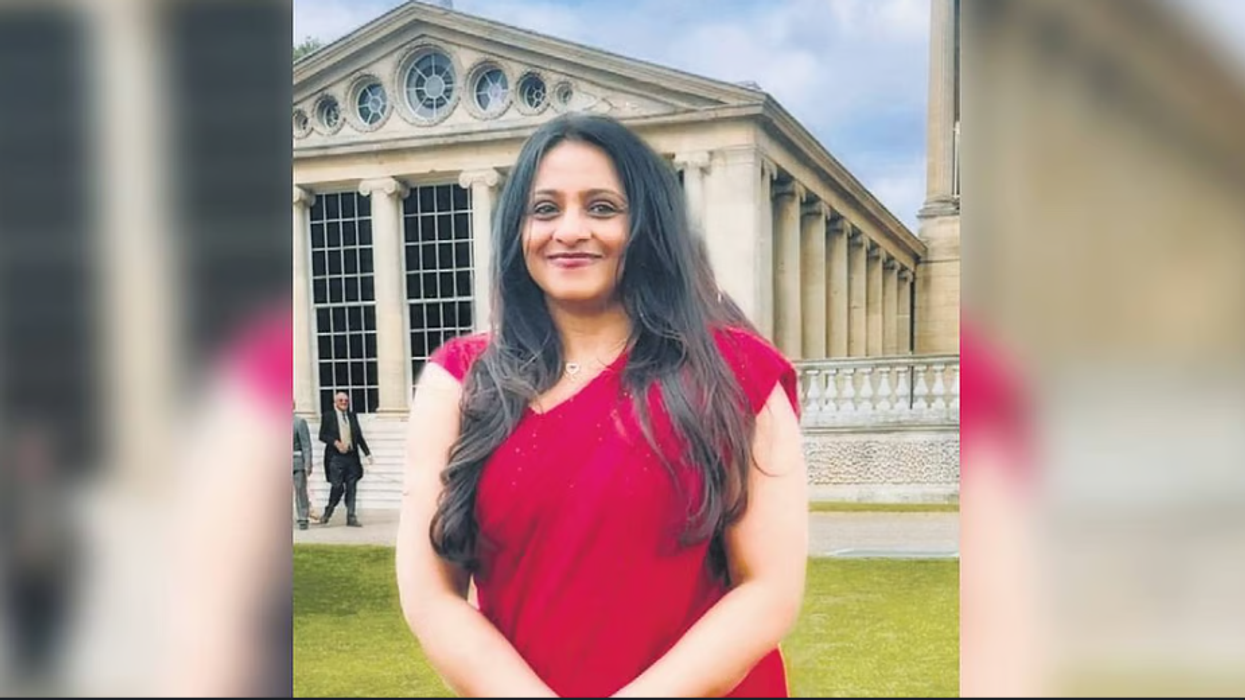

A nurse from Kerala who has worked to support fellow Malayali professionals in the UK has been invited to attend King Charles III’s garden party at Buckingham Palace in recognition of her contributions to the NHS and international nursing community.
Prabin Baby, 45, who currently works as a patient experience nurse in Hertfordshire, received the invitation in acknowledgement of her efforts to help internationally trained nurses, particularly from Kerala, integrate into the British healthcare system.
Originally from Tiruvalla, Kerala, Prabin moved to the UK in 2020 at the height of the COVID-19 pandemic. Despite her experience in Malaysia and India, including roles in clinical care and nursing education, she initially struggled to adapt to the NHS system. This personal challenge motivated her to assist others facing similar difficulties.
“When I arrived in the UK, I felt uncomfortable, despite having clinical experience and the required OET qualification,” Prabin said. “Internationally trained nurses face barriers in understanding the system. They need support, both professionally and culturally, to settle in. I believe someone has to step up and help.”
She joined Lister Hospital in Stevenage as a registered nurse before being promoted to educational and corporate roles within the East and North Hertfordshire NHS Trust. Through her work, she has supported the welfare and development of Malayali nurses, helping them to understand the NHS structure, workplace culture, and career development pathways.
Her professional growth was further supported by a fellowship with the Florence Nightingale Foundation Academy, which provided her with opportunities to develop her leadership skills and expand her work in supporting internationally educated staff. The NHS also funded her professional nurse advocate course, enhancing her ability to guide others in similar roles.
“I have always believed in collaboration with leadership to build an inclusive and supportive environment,” Prabin said. “Our trust is diverse and inclusive, and although there are many native English staff, I was honoured to be selected to attend the garden party.”
Speaking about the event at Buckingham Palace, Prabin said she felt proud and humbled as an Indian nurse. “There were times when I stood outside the palace and wondered what it was like inside. To have the opportunity to enter and meet the royals and others who have contributed to public service was a memorable experience.”
She credited her family—her daughter, parents and sister—for their continuous support. “They are my backbone and have always encouraged me in my work.”
Prabin also highlighted the broader professional opportunities available to nurses in the UK. “If we are interested and willing to learn, there is much scope to specialise and progress here. The recognition and appreciation we receive are often greater than in India or other developed countries.”
Her journey reflects the challenges many international healthcare workers face and the importance of mentorship, institutional support and inclusive leadership within the NHS.




 Dr Kalpana Lakhani Garavi Gujarat