
- Supermarkets saw steady festive food sales, clothing lagged behind
- Shoppers mixed small treats with tight budgeting
- Retailers remain cautious as 2026 approaches
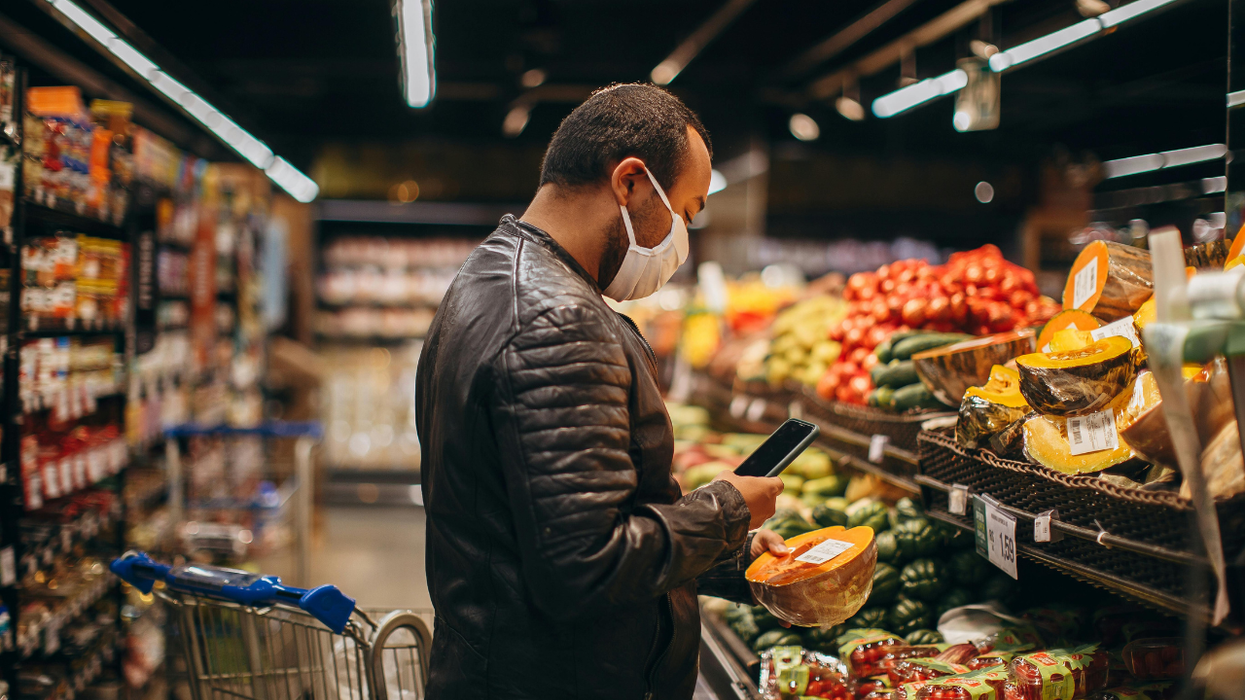
Britons prioritised spending on festive food over Christmas while cutting back on clothing, gifts and other non-essential purchases, according to trading updates from major UK retailers.
Supermarkets reported steady food sales during the festive period, but weak demand for fashion and homeware highlighted continued caution among consumers heading into 2026.
Tesco said underlying UK sales rose 3.2 per cent during the six-week festive period, describing Christmas as strong. The retailer’s market share touched a decade high, helped by shoppers trading up to premium food lines.
Party food sales climbed 22 per cent, with 21 million packs of pigs in blankets sold and Prosecco remaining a popular choice.
Yet the numbers also hinted at restraint. Sales growth slowed compared to summer levels and came in slightly below market expectations, pushing Tesco shares down more than 5 per cent.
Competition across supermarkets remained intense, with price still a major battleground. Marks & Spencer reported a sharper contrast. While food sales jumped 5.6 per cent in the Christmas quarter, clothing, home and beauty sales fell 2.9 per cent.
Weak demand and lingering disruption linked to last year’s cyber incident weighed on non-food categories.
The trend was echoed by Primark owner Associated British Foods, which described the UK clothing market as difficult over Christmas. The group warned of falling sales in parts of Europe and tougher conditions in its US food businesses, saying profits in 2025 to 2026 would decline.
Counting every penny
Retailers say the festive mood did not disappear entirely, but it came with limits. Tesco chief executive Ken Murphy reportedly said shoppers were happy to treat themselves at Christmas, particularly on food, but added that confidence remained uneven.
Some households were coping comfortably, while others were “counting every penny”, as quoted in a news report.
That caution showed up beyond supermarkets. Greggs flagged subdued consumer confidence and guided towards flat profits, with its chief executive reportedly saying she remained cautious about prospects for 2026. Shares in the chain fell again, extending a long run of losses.
Recent polling underlined the same mood. A Savanta survey published last month found 51 per cent of Britons planned to buy fewer Christmas presents due to rising household costs.
Around 45 per cent said they would stay home rather than visit family or friends to save money, while more than half said they were switching to cheaper supermarkets.
Political parties offered competing readings of the situation. The Liberal Democrats, which commissioned the poll, said it reflected a cost-of-living squeeze.
Labour, meanwhile, has pointed to official data showing average annual pay rising to about £38,400, arguing workers are more than £500 better off in real terms.
Jobs, confidence and the year ahead
Looking beyond Christmas, retailers appear wary. Official data released last month showed the UK unemployment rate at its highest since early 2021, adding to concerns about spending power.
Fashion chain Next said Christmas sales beat expectations but warned growth would slow in 2026. Its chief executive reportedly said employment pressures, rising costs, tighter regulation and the impact of automation and AI could weigh on consumer spending as the year progresses.
For now, the message from the high street is clear. Britons were not prepared to cancel Christmas dinner, but many quietly edited everything else.
As retailers head into 2026, the challenge is reading whether this careful balancing act becomes the new normal or just another phase of uncertainty.