Skip to content
Search

Latest Stories

Submit Guest Post

British Steel halts layoffs after government rescue plan

The UK passed an emergency legislation to prevent the closure of Scunthorpe plant

British Steel halts layoffs after government rescue plan

Chancellor Rachel Reeves in the rail and sections hot end rolling mill during her visit to the British Steel site on April 17, 2025 in Scunthorpe, England. (Photo by Danny Lawson - WPA Pool/Getty Images)

BRITISH STEEL announced on Tuesday (22) it has halted plans to lay off thousands of workers after the government secured the raw materials necessary to keep the country's last steelmaking blast furnaces running.

The future of the plant was thrown into jeopardy in March when its Chinese owners Jingye said it was no longer financially viable to keep the blast furnaces burning, putting 2,700 jobs at risk.


That led the government to pass emergency legislation to prevent the closure of British Steel's main plant in northern Scunthorpe earlier this month.

A new interim management team was also appointed.

British Steel said that "it will not continue with the consultation on redundancies announced by the previous management".

"The work done to secure the raw materials we need for both... blast furnaces means we are able to run both continuously," added interim chief commercial officer Lisa Coulson.

Before the government took control of the company, Jingye had halted orders of raw materials such as coking coal and iron ore, after losing around £700,000 ($937,000) per day on the plant.

The fallout over British Steel also led to a spat with China.

Beijing warned Britain against "politicising" the rescue of British Steel, while UK Business Secretary Jonathan Reynolds said the UK had been "naive" to let the Chinese firm take over part of the sensitive steel industry.

The government is now looking for potential private buyers for the company, although nationalisation remains an option.

The plant in northeast England is the last in the UK to produce virgin steel used in construction and rail transport.

(AFP)

Add EasternEye As Your Trusted Source
preferred source on google news

More For You

UK-EU Deal

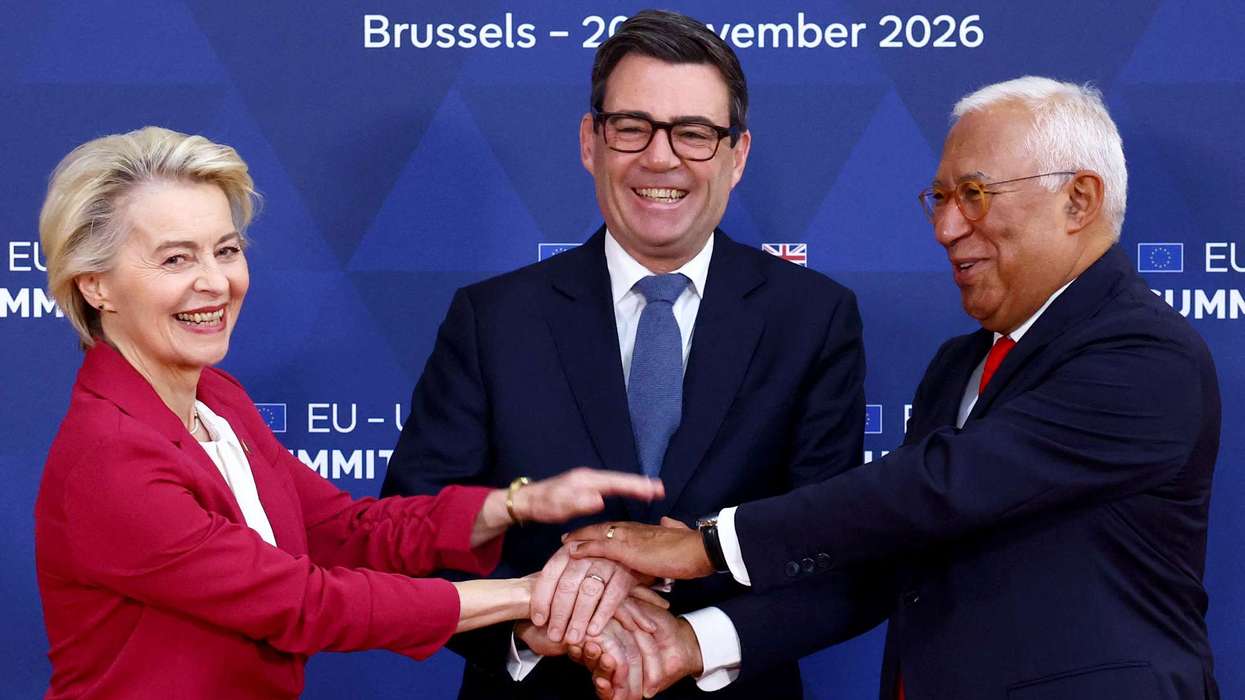
British Prime Minister Andy Burnham (C) poses with European Commission President Ursula von der Leyen (L) and European Council President Antonio Costa (R) as he arrives at the EU Council for a EU-UK Summit,

Getty Images

A decade after Brexit, Britain is rewriting its relationship with Europe. What has changed?

  • A food trade agreement due in 2028 aims to remove most health certificates and border checks on goods moving between Britain and the EU.
  • A new youth scheme will give 100,000 people from each side, aged 18 to 31, the opportunity to live, work and study across the Channel.
  • The government estimates the package could add around £17 billion a year to the UK economy by 2040.

Britain is taking another step towards closer relations with the European Union, a decade after the referendum that set it on the path to leaving the bloc.

At a summit in Brussels on Friday (20), Prime Minister Andy Burnham and European leaders agreed a package covering food trade, carbon markets, youth mobility and security cooperation. The agreements are intended to reduce some of the practical barriers created by Brexit while giving businesses and younger people greater access to opportunities across Europe.

Keep ReadingShow less