
A British Indian surgeon has conducted the first practice operation on virtual brains using an artificial intelligence (AI) system, The Times reported.
Professor Tufail Patankar at Leeds Teaching Hospitals has carried out the surgery using the AI system designed to make brain surgery safer for patients, less stressful for surgeons and save a huge amount of money, the report added.
The system, developed by British start-up Oxford Heartbeat, allows surgeons to rehearse a risky procedure in a 3D representation of a patient’s brain, which they view on a computer screen.
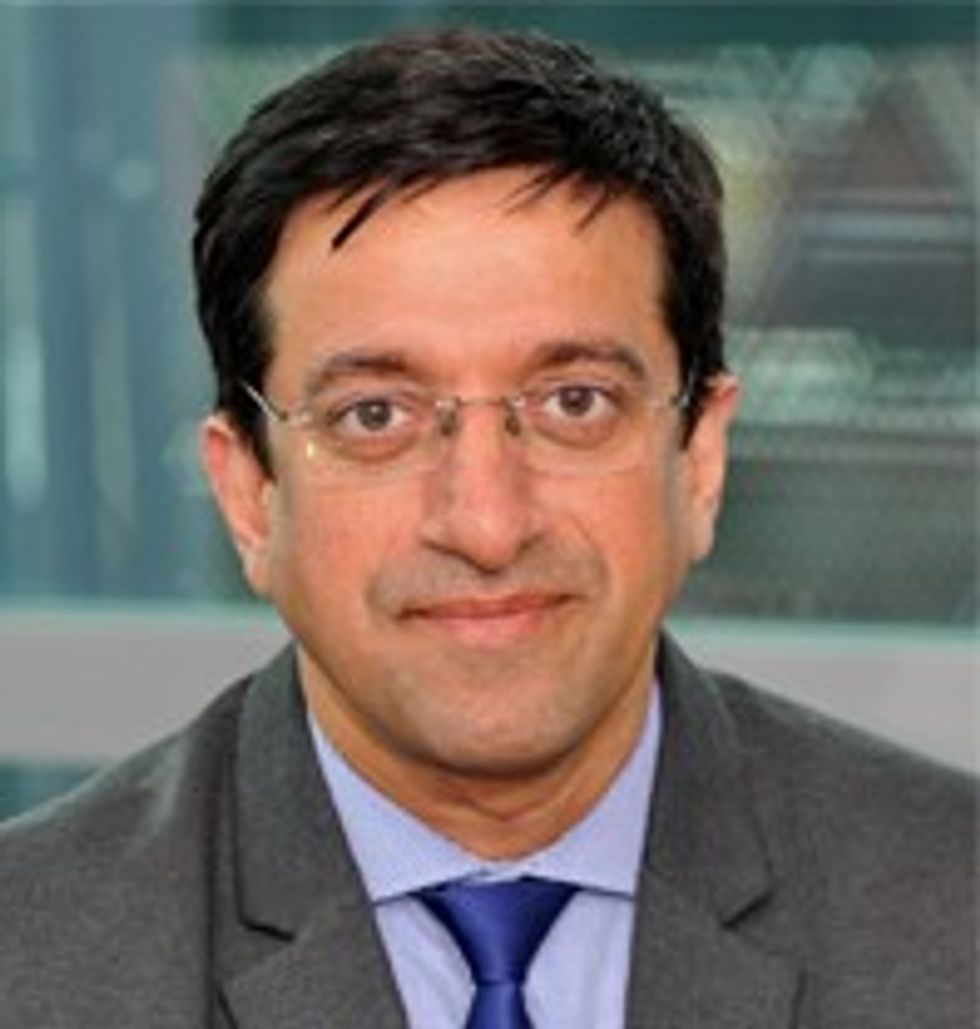 Professor Tufail Patankar
According to the newspaper report, It is the first time an AI-enabled tool has been used like this for operations where tiny stents, or tubes, are inserted in blood vessels to treat life-threatening aneurysms.
“This will transform surgery, making it safer,” Prof Patankar said.
A wider trial is now taking place in seven NHS trusts as the health service looks to new technologies to tackle waiting lists lengthened by the pandemic.
Brain aneurysms happen when a blood vessel bulges to form a balloon-type structure. If ruptured, they can be fatal or lead to brain damage, stroke and epilepsy.
In the past, US president Biden, actress Emilia Clarke and the rapper Dr Dre have been treated for the condition.
The surgery involves making an incision in the groin and feeding a fine tube through a large artery up to the tiny blood vessels inside the brain.
The tube is used to position the stent, a spring-like device that diverts blood flow, preventing a rupture. The stents are typically only a few millimetres in size but have complex mechanical structures. They are impossible to remove once placed, The Times report added.
Selecting the right stent is critical, and there are hundreds of types to choose from.
“They look like the spring from a ball-point pen but they cost more than £10,000 each,” Dr Katerina Spranger, the chief executive of Oxford Heartbeat, said.
The wrong stent can lead to complications, which at present occur in between 5 and 10 per cent of operations. “These are high-risk procedures and stressful for surgeons,” Spranger said.
The Oxford Heartbeat system has a library of “digital twins” — virtual models — of different stents. The AI predicts how they will behave inside a virtual brain, built using CT scans of the patient, allowing the surgeon to test the best fit before the operation.
Matthew Gould, chief executive of NHSX, told The Times that surgical teams using the new AI should achieve “better outcomes, fewer strokes and fuller recoveries”.
The first patient was Caroline Kuhnel, 64, from Wakefield, West Yorkshire.