
- Centrica will cut 1,300 customer service roles across British Gas over the next two years.
- The company says more than 90 per cent of customers now use digital channels before calling.
- Trade unions argue the growing use of AI will replace hundreds of customer service jobs.
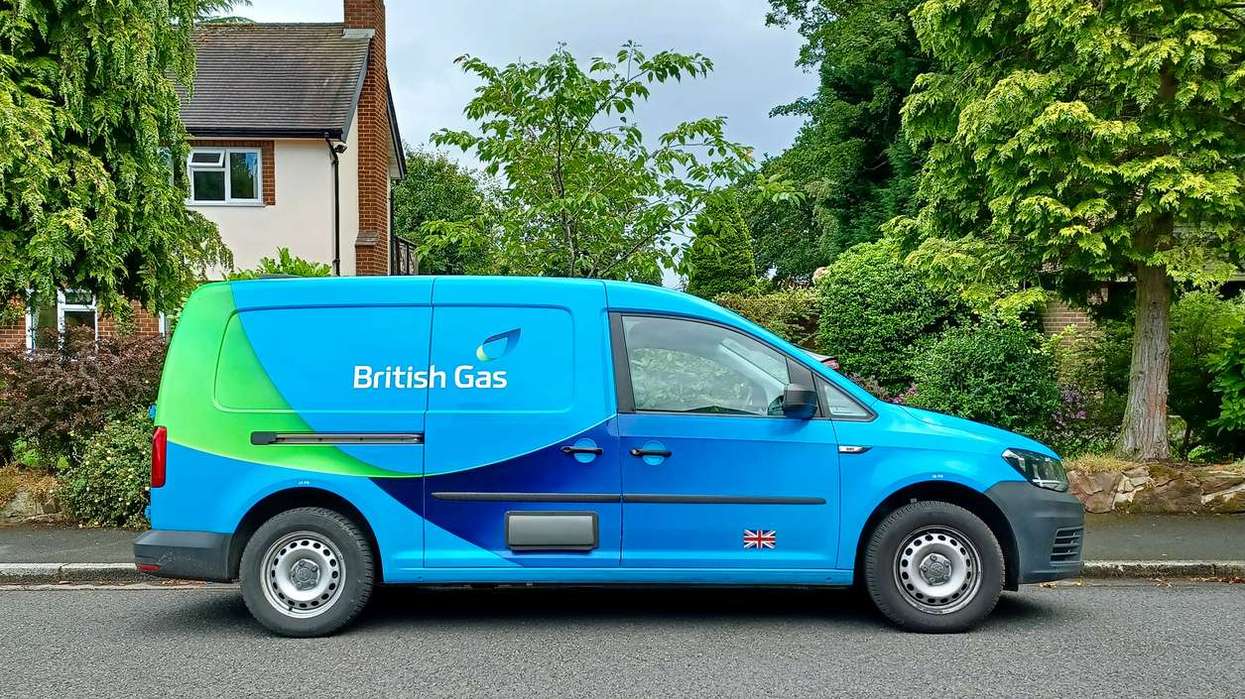
British Gas owner Centrica says customers are increasingly choosing AI-powered digital support over speaking to call centre staff, a shift the company says is behind plans to cut 1,300 customer service jobs over the next two years.
The FTSE 100 energy group plans to reduce its customer service workforce by 14 per cent, including 800 new job cuts announced alongside its latest financial results. That comes on top of 500 roles the company confirmed would be cut last month.
The reductions will affect customer service teams in Glasgow, Edinburgh, Cardiff, Leicester, Stockport and Leeds. Centrica said some roles would disappear through natural staff turnover, while others would be made redundant.
Digital support is becoming the first choice
The company insists the changes are being driven by customer behaviour rather than artificial intelligence replacing workers.
Chief executive Chris O'Shea reportedly said more than 90 per cent of customers now turn to digital channels before contacting the company by phone, while customer calls have fallen by around 20 per cent over the past year, as quoted in a news report.
He said the company expects to create more roles supporting its digital platforms while requiring fewer employees to answer telephone enquiries.
The restructuring also includes what Centrica describes as the targeted deployment of AI tools to simplify customer service operations. However, trade unions have argued that the company's investment in artificial intelligence will ultimately result in hundreds of customer service jobs being replaced by chatbots.
Profits rise despite fewer customers
The workforce changes were announced as Centrica reported stronger profits from its retail business during the first half of the year.
Retail operating profit, which includes British Gas, boiler servicing and smart energy products, increased to £346 million, up from £338 million during the same period last year.
The profit increase came despite British Gas losing customers. The supplier's domestic customer base fell from 7.5 million at the end of last year to 7.45 million.
O'Shea reportedly said the company had prioritised improving margins on fixed-price tariffs rather than pursuing customers on less profitable deals, as quoted in a news report.
British Gas also continues to deal with the fallout from the prepayment meter scandal. The company is expected to pay up to £112 million in compensation to customers who had prepayment meters forcibly installed during the energy crisis, making it the largest settlement of its kind in the sector.
The latest announcement reflects a wider trend across customer service industries, where businesses are investing more heavily in digital tools and AI while reducing reliance on traditional call centres. Whether customers continue to prefer chatbots over speaking to advisers is likely to remain at the centre of that debate.