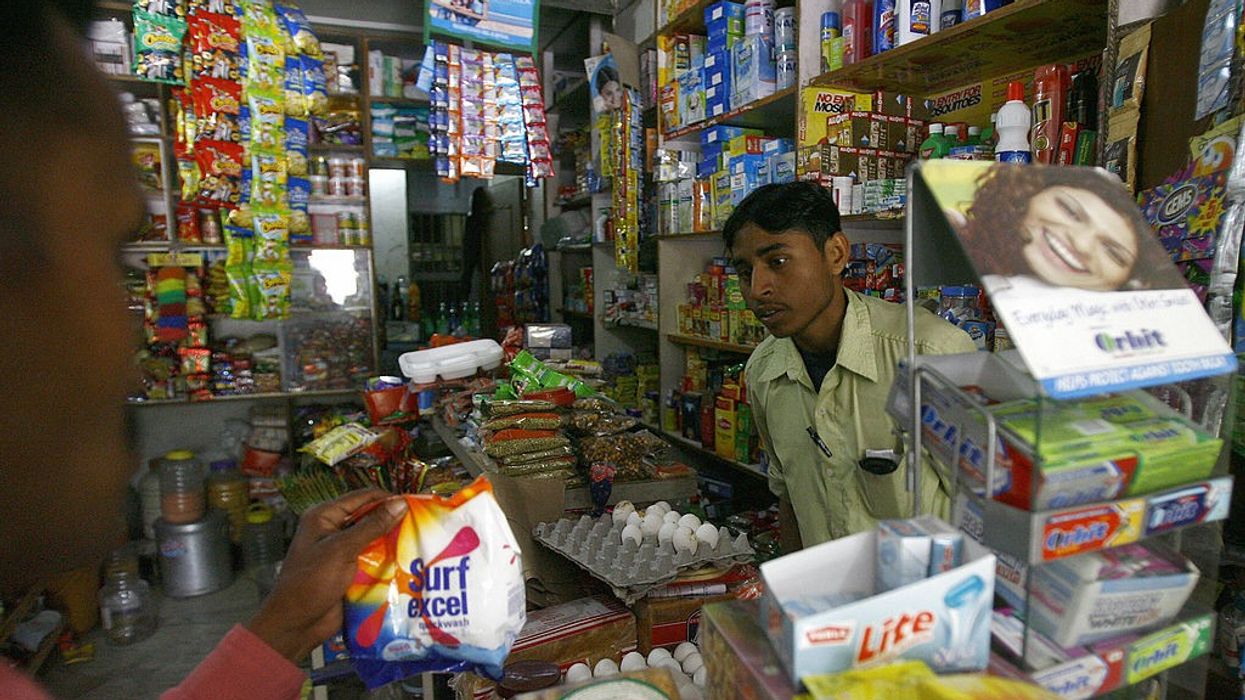

BRITISH consumer goods makers have promised to allay the concerns of the price disparity between traditional trade and organised distribution channels in India.
While Hindustan Unilever - the Indian arm of the London-based Unilever - said it would address the price differentials, Reckitt Benckiser assured its distributors of ensuring a “level playing field”.
The assurances come as distributors felt they are at a serious disadvantage with millions of small shops in the country preferring new age business-to-business platforms to source their goods because of price disparities.
According to them, FMCG companies offer higher margins to the organised platforms.
The success of the companies has been driven by sales agents who take orders from small shops and make their products available even in remote places of the country of 1.3 billion people.
Both companies said distributors are important components of their businesses.
In a recent letter to the All India Consumer Products Distributors Federation (AICPDF), Reckitt said it has taken steps to ensure "equitable play" for all its business partners as it seeks to resolve their concerns, a Reuters report said.
“We have been extremely careful and discourage any unsustainable businesses with alternate distribution channel partners. Any violation is immediately flagged off and stopped," the maker of popular products like Dettol soaps and Strepsils said.
However, it did not name Reliance Jiomart or any other modern platforms.
Jefferies estimated mom-and-pop stores, called kiranas in India, will "steadily increase the share of procurement" from Reliance "at the cost of traditional distributors".
Such sales for Reliance could shoot up to $10.4 billion (£7.66 bn) by 2025 from the current $200 million (£147.32m), according to the financial services company’s estimate.
A standoff between HUL and the AICPDF which boycotted its products, ended earlier this week after the FMCG major said it would take “corrective actions” on price disparity and protect the interests of its distributors.
The AICPDF also ended the boycott of Colgate Palmolive products after a similar promise from the Indian entity of the American giant, media reports said on Friday (7).