
- The Met Office says Britain's climate is undergoing historic and unprecedented change.
- The UK has already recorded three heatwaves and 25 days above 30°C in 2026.
- Scientists say 2025 was the hottest year since records began in 1884.
The Met Office says UK climate change is no longer a future concern but a present-day reality, warning that Britain is experiencing a period of "historic and unprecedented change" as hotter temperatures and more extreme weather become increasingly common.
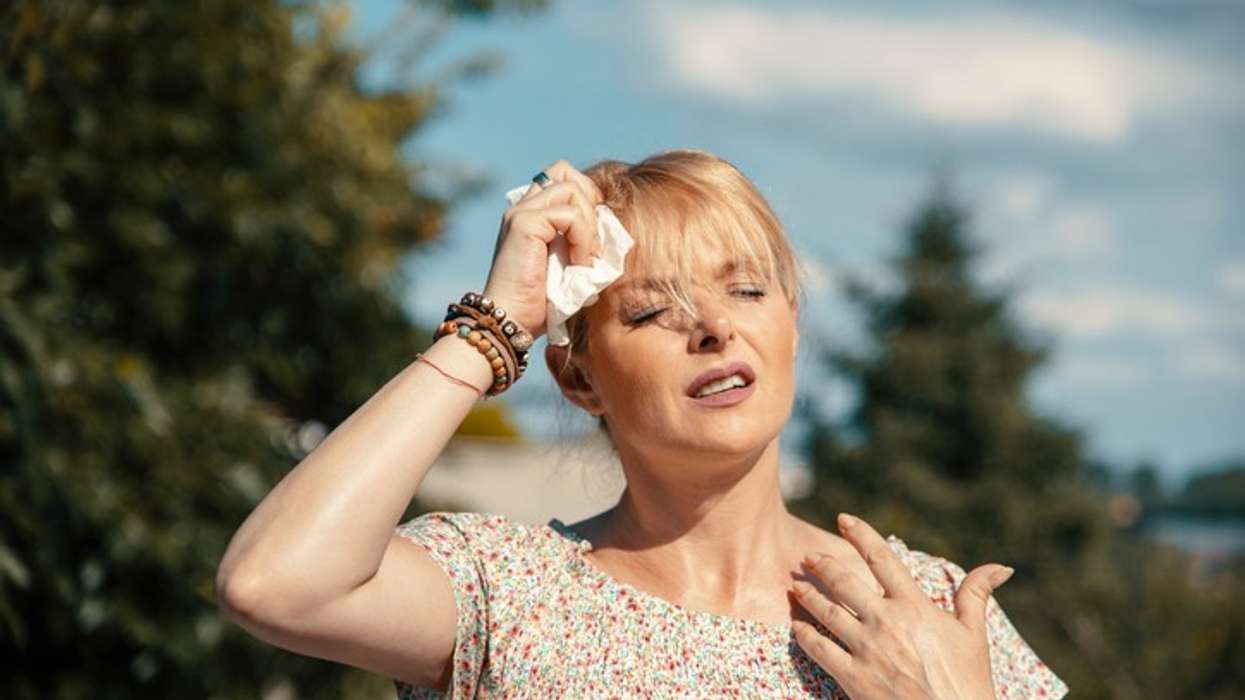
The findings come after the UK recorded three heatwaves and 25 days above 30°C during 2026. According to the Met Office's annual State of the UK Climate report, the country's climate has fundamentally shifted, with warming trends now visible across every timescale, from daily temperatures to long-term averages.
The report says 2025 became the hottest year on record since national records began in 1884, overtaking previous highs and joining 2024, 2023 and 2022 among the five warmest years ever recorded. It also marks the sixth time this century that a new annual temperature record has been set.
Mike Kendon, the report's lead author at the Met Office, reportedly said the climate that defined much of the 20th century has effectively disappeared.
He reportedly said Britain is now living through a period of historic and unprecedented climate change, with warmer conditions spreading northwards while colder climates continue to shrink. The report attributes the trend largely to human-driven climate change caused by greenhouse gas emissions.
In parts of south-east England, the hottest day of the year is now around 4.5°C warmer on average than it was only a few decades ago. Areas including Greater London have also seen the number of days exceeding 30°C increase fourfold.
Further north, places such as Lancashire and the Vale of York are now recording annual temperatures similar to those experienced in Greater London between 1961 and 1990.
Less rain, more pressure
While temperatures continue to rise, rainfall patterns are moving in the opposite direction. The report found England and Wales received less than half their average spring rainfall in 2025, with some areas recording less than one-third of normal levels.
The dry conditions have continued into 2026, prompting hosepipe bans across parts of eastern England, Cambridge, Hampshire, the Isle of Wight and Kent.
The report was produced by the Met Office with contributions from the UK Centre for Ecology & Hydrology, the National Oceanography Centre and the Woodland Trust's Nature's Calendar project. It was published in the Royal Meteorological Society's International Journal of Climatology.
Professor Liz Bentley, chief executive of the Royal Meteorological Society, reportedly said the findings provide clear evidence that climate change is already affecting everyday life across Britain and should no longer be viewed as a problem for future generations.