
Highlights
- National Day for Victims and Survivors of Terrorism to be held every August 21
- Burnham says survivors often live with trauma long after the public moves on
- Government promises changes to support, compensation and legal assistance
- New 24/7 Support Hub offers specialist help to people affected by terrorism
FOR MANY victims and survivors of terrorism, life does not return to normal when the headlines fade. Grief, injuries and trauma can remain long after the rest of the country has moved on.
That reality was at the heart of Britain's first National Day for Victims and Survivors of Terrorism, held in London on Friday (21) to honour people whose lives have been changed by terrorist attacks.
Hundreds of victims, survivors, bereaved families, emergency responders and government representatives gathered for the ceremony. A two-minute silence was held for those killed or affected by terrorism.
The National Day will now be observed every August 21, following years of campaigning by victims and survivors for greater recognition of their experiences. The date coincides with the United Nations International Day of Remembrance and Tribute to the Victims of Terrorism, established in 2017.
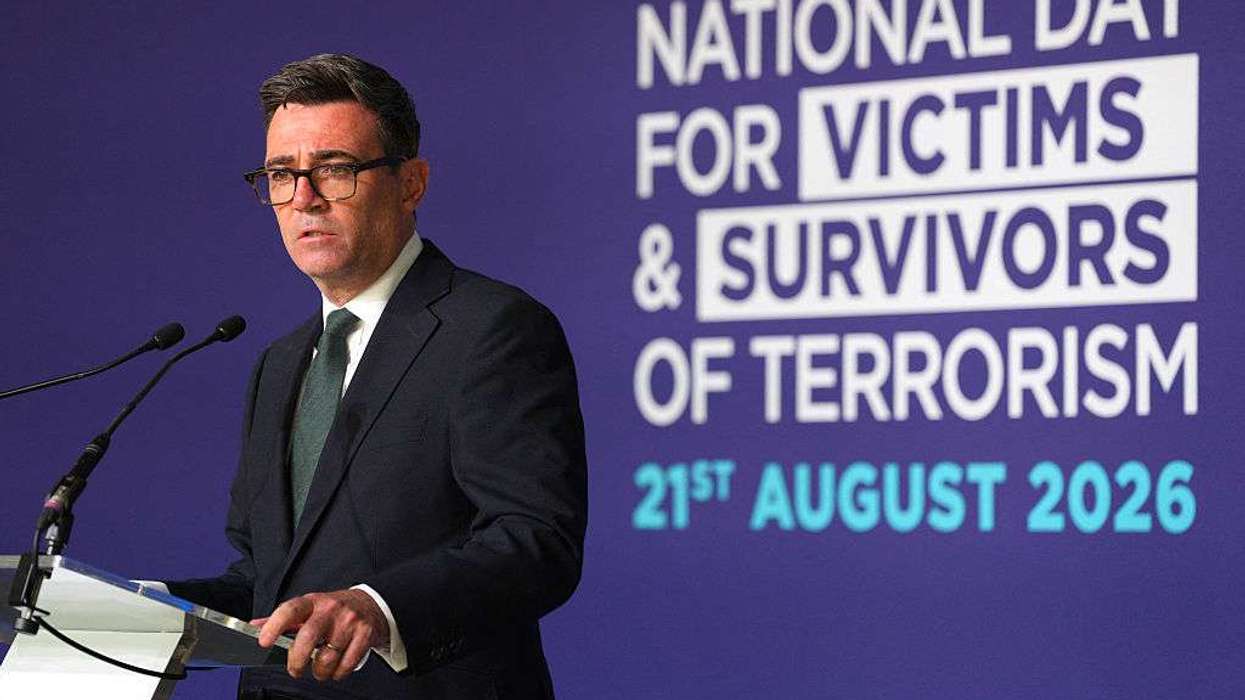
Prime minister Andy Burnham said the day was important because those who experience terrorism do not simply move on as time passes.
“As the days pass and the world moves on, you can't,” Burnham said. “There is no closure. Nothing is the same again. And every day brings pain.”
He said the national commemoration was a way of telling victims and survivors: “We see you, we hear you, we stand with you, and the whole country does too.”
Burnham, who said he had spent years speaking to survivors of the Manchester Arena attack, acknowledged that some victims had struggled to get the support they needed.
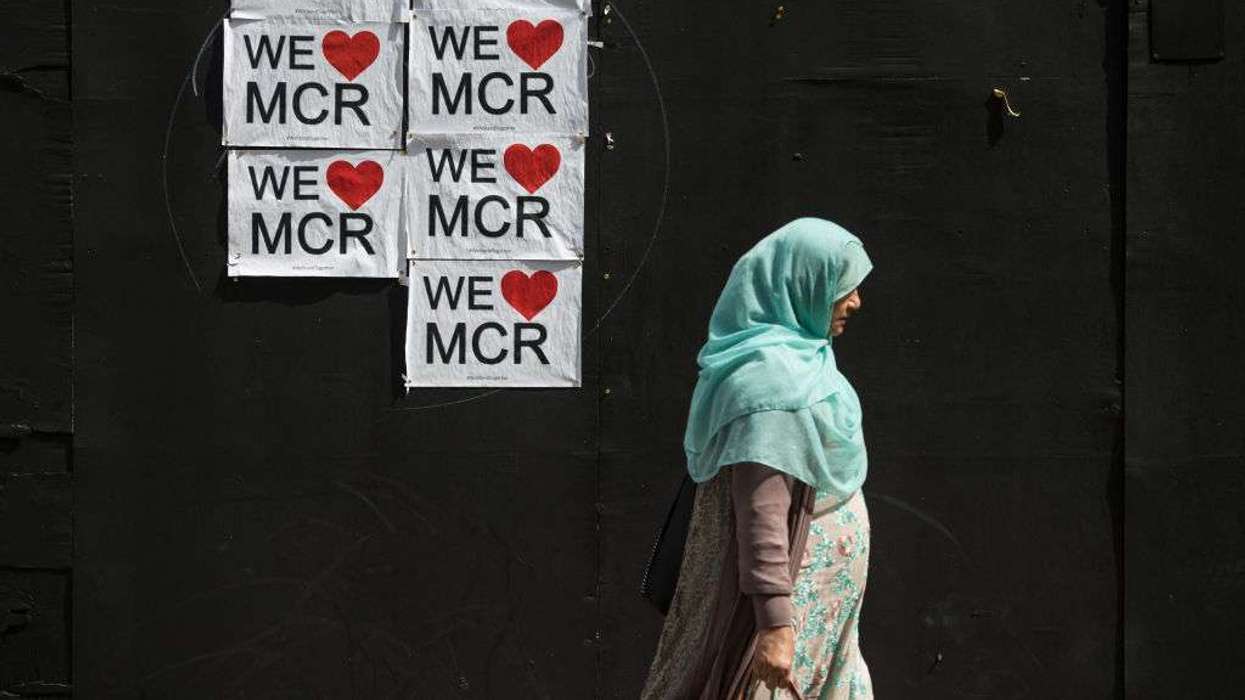 FILE PHOTO: A woman walks past a poster displaying a message of defiance to the terror attack of May 22 at the Manchester Arena, in Manchester, northwest England on May 31, 2017. (Photo by OLI SCARFF/AFP via Getty Images)
“Too often people have not had the support that they deserve and they've had to fight for it in the aftermath,” he said.
He also highlighted the experiences of young survivors of the Manchester Arena attack, saying some had felt “dismissed or misunderstood” in education and healthcare settings.
Burnham promises to improve support
Prime minister said the government had to accept that it had not always met its responsibilities towards victims.
“Have we always fulfilled that duty to the highest level? I don't think I can stand before you today and say that we have,” he said.
He promised to improve support, including access to legal assistance and representation and reforms to the Criminal Injuries Compensation Authority. The government will also consider lessons from other countries, including France and Spain, and consult victims and survivors on a permanent national memorial.
“Your voices must be at the heart of every decision about how we remember and recognise those affected by terrorism,” Burnham said.
The commemorations come after terrorist attacks at Heaton Park Synagogue and in Golders Green over the past 12 months, and ahead of the 10th anniversaries of five terrorist attacks in Britain in 2017.
Security minister Dan Jarvis said the day should encourage people to reflect on victims, survivors and others whose lives had been permanently changed.
“We will never allow terrorism to divide us,” he said.
The Home Office said the National Day builds on the government's support for people affected by terrorism. In June, it launched a new 24/7 Support Hub providing specialist, trauma-informed assistance to victims and survivors at any stage of their recovery.
Laurence Taylor, head of National Counter Terrorism Policing, said conversations with survivors continued to demonstrate why support was needed.
“Many survivors live with the impact of terrorism every day,” he said, describing them as people who deserved recognition for their “resilience and bravery” after what they had experienced.
Burnham said the annual day should become more than an expression of sympathy, calling for it to be a lasting recognition of victims, survivors and their families.