
THE UK government on Monday (17) announced a freeze of the BBC licence fee, arguing a new funding model was needed to ease cost of living pressures and reflect a transformed media landscape.
Culture secretary Nadine Dorries told parliament the £159 annual fee, paid by every television set owner in the country, would be fixed for the next two years. After that it will rise in line with inflation for four years, she said, saying the rising annual cost of the compulsory charge was hurting cash-strapped families. The long-term future of the corporation should not depend on a system which criminalises non-payers, she added.
But opposition parties linked the move to efforts to keep prime minister Boris Johnson in a job, by offering "red meat" to BBC critics, due to anger at lockdown-breaking parties at Downing Street.
Labour media spokeswoman Lucy Powell said monthly payments for the licence fee were small change compared to proposed Tory annual tax increases and soaring energy bills totalling thousands of pounds.
"Is the licence fee really at the heart of the cost of living crisis or is this really about their long-term vendetta against the BBC?" she asked
"It's at the heart of Operation Red Meat to stop the prime minister becoming dead meat," she added, referring to a proposed government fight-back plan of populist measures to boost Johnson's standing.
Critics accused Johnson loyalist Dorries, who leaked details of the plan on Twitter last Sunday (16) night after a torrid week for the prime minister, of "cultural vandalism", wrecking a world-renowned British institution.
Dorries said discussions about the future of the funding model from 2028 will start "shortly", but change was needed because of evolving media consumption and technological advances.
"This is 2022, not 1922. We need a BBC that is ready to take the challenges of modern broadcasting, a BBC that will continue to engage the British public and that commands support from across the breadth of the UK, not just the London bubble, a BBC that can thrive alongside Netflix and Amazon Prime and all of its other challenges which attract younger viewers."
BBC chairman Richard Sharp and director-general Tim Davie said they were disappointed at the move, warning it would hit British cultural industries and "necessitate tougher choices which will impact licence fee payers".





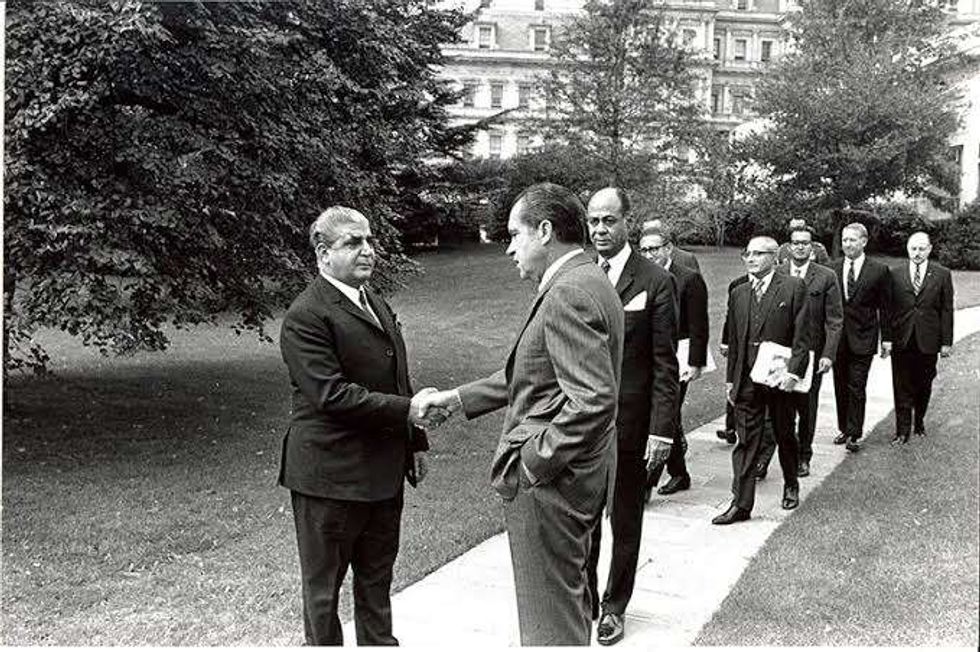 Yahya Khan of Pakistan with President Richard Nixon in Washington in 1970Eastern Eye
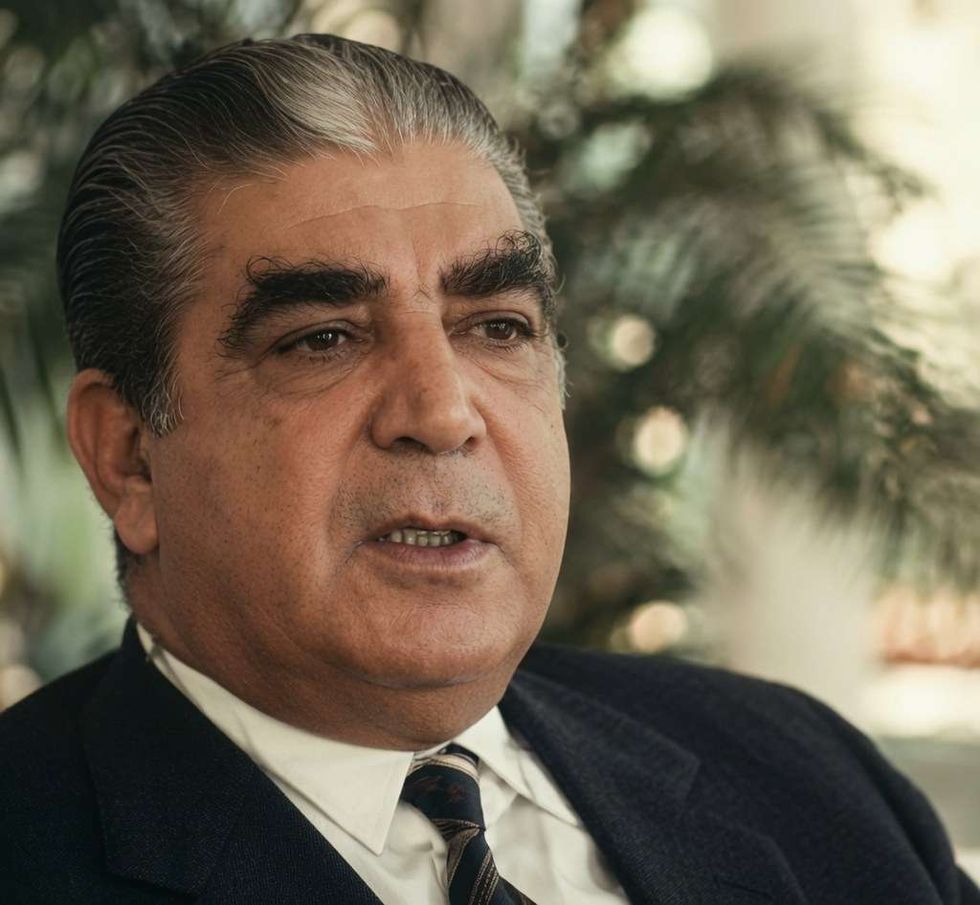 Yahya Khan of PakistanEastern Eye
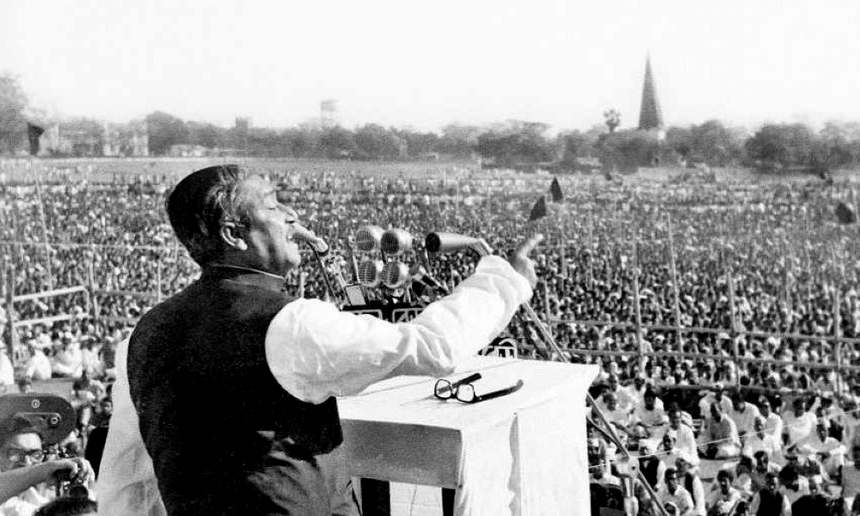 Sheikh Mujibur Rahman addressing a rallyEastern Eye
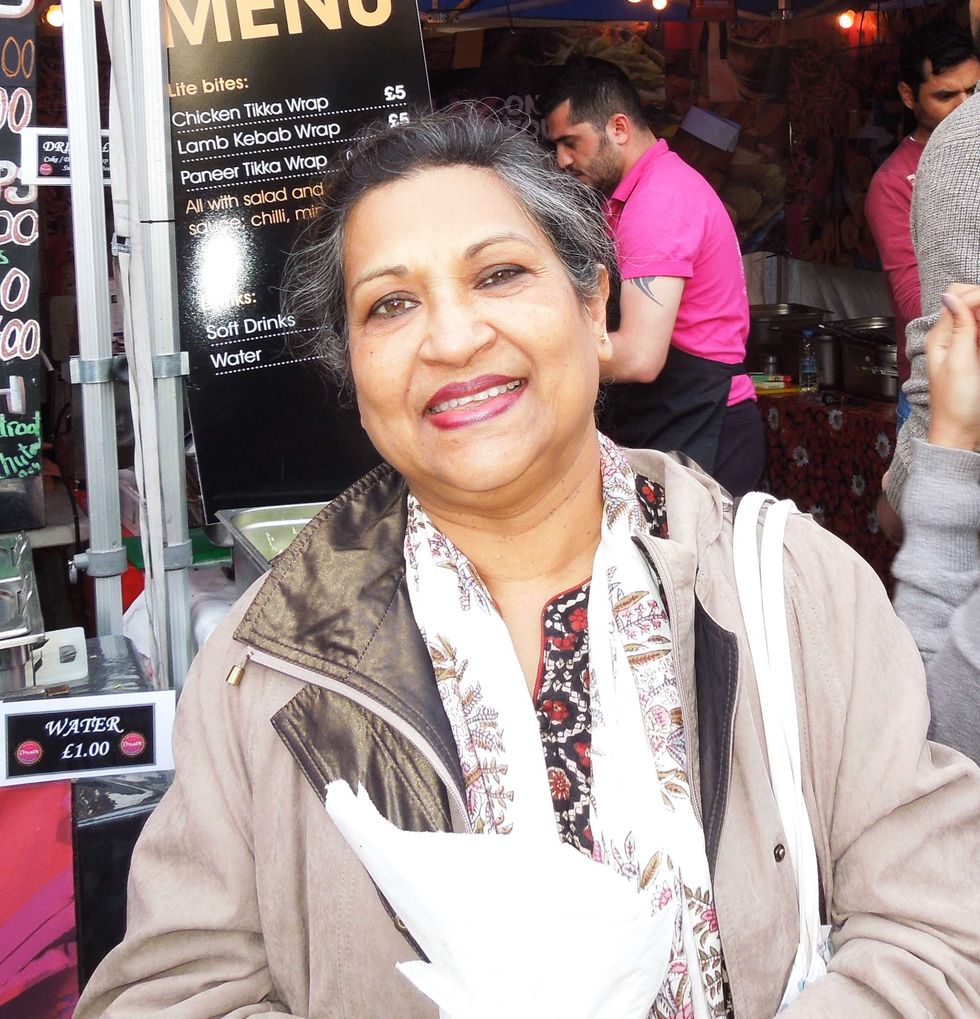 Rehana sister of Sheikh Hasina Eastern Eye
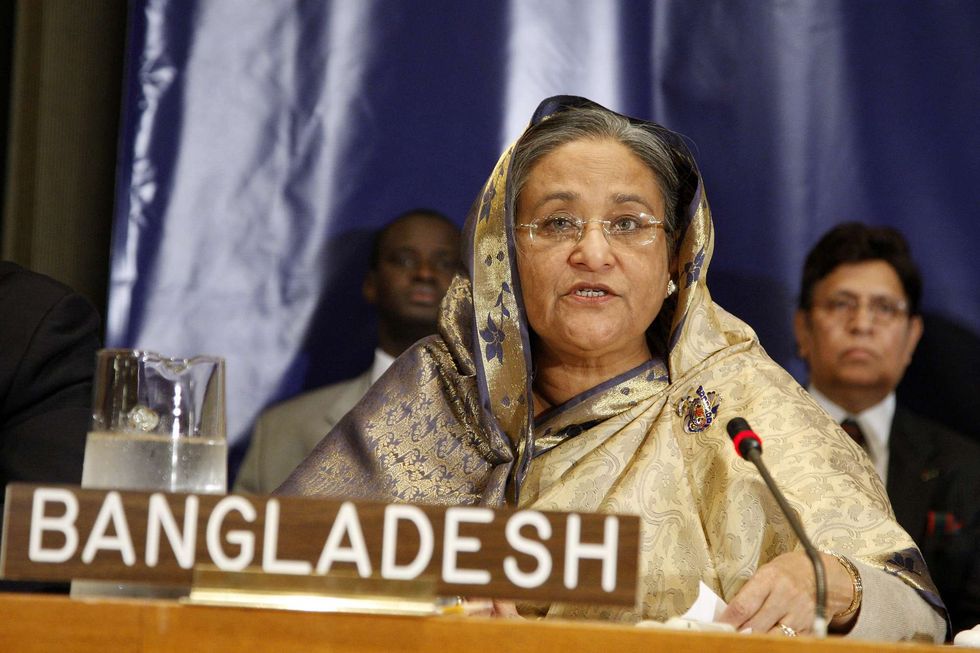 Sheikh Hasina credit
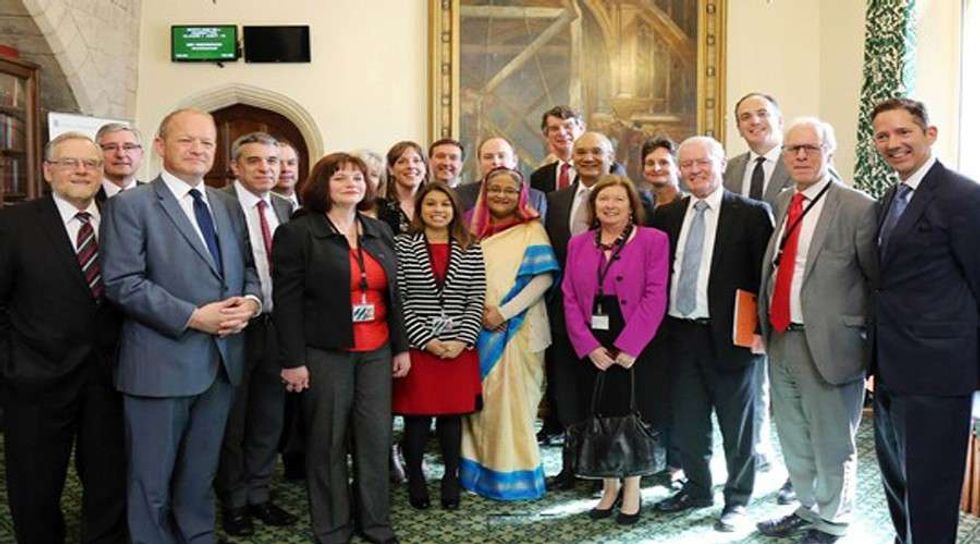 Sheikh Hasina and her niece MP Tulip Siddiq in the Commons in 2015 when she was prime ministerEastern Eye



