
Highlights:
- Martin Dickie has announced his departure from BrewDog and the alcohol industry.
- He co-founded the Ellon-based brewer with James Watt in 2007.
- Dickie cited family time and personal reasons for his exit.
- His departure follows recent bar closures as part of a company restructuring.
- BrewDog confirmed no further leadership changes will follow.
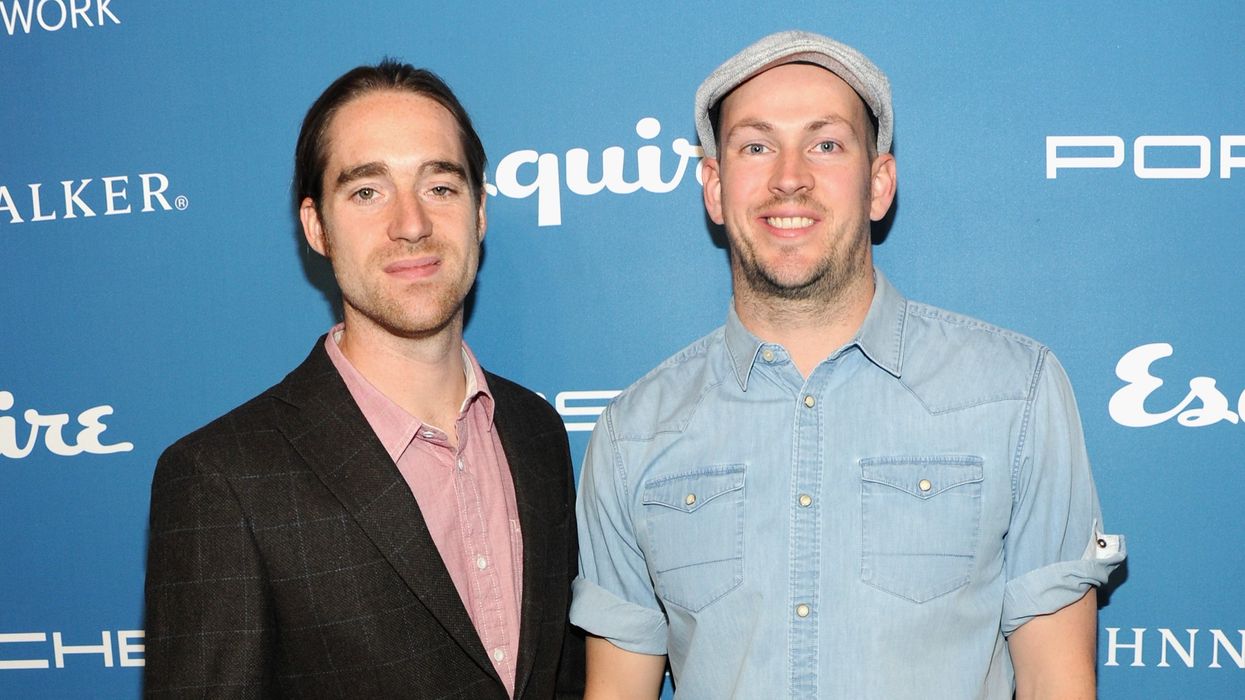
BrewDog co-founder Martin Dickie has announced he is leaving the Scottish brewer and the wider alcohol industry for “personal reasons.” Dickie, who founded the Ellon-based business with James Watt in 2007, said he wanted to spend more time with his family after more than two decades in brewing and distilling.
Early beginnings
Dickie and Watt launched BrewDog at the age of 24, starting from a garage in Fraserburgh and selling hand-filled bottles from a van at local markets. The company grew rapidly to become one of the UK’s best-known craft brewers.
Leadership changes
James Watt stepped down as chief executive last year after 17 years in the role, moving into a non-executive position as “captain and co-founder.” Dickie’s exit marks another major shift in the company’s founding leadership.
Dickie’s statement
“Leaving BrewDog isn’t easy, but I’m ready to spend less time travelling and spend some more time at home with my young family,” Dickie said.
He added: “It has been an honour to have worked with incredible, like-minded colleagues who live in a world of flavour and experimentation. In James Taylor and Lauren Carrol, BrewDog is in very strong hands and I will always remain a massive fan.”
Company response
BrewDog chief executive James Taylor praised Dickie’s contribution, highlighting his focus on product quality, workplace safety, sustainable supplier relationships, and new product development.
“Martin’s contributions to BrewDog have been immeasurable,” Taylor said. “His creativity, passion, and relentless drive have shaped our company over the years and inspired countless others in the industry.”
Recent challenges
The announcement comes a month after BrewDog closed ten of its bars, including its flagship Aberdeen Gallowgate site and a Dundee outlet, citing commercial unviability. The company stressed that Dickie’s departure will not result in further leadership changes.




 From Spice Girls to spice aisles: Tropical Sun celebrates 30 years of changing British tastes
  Holi Celebrations with Tropical Sunhttps://wetransfer.com/