
- Blue Origin’s New Glenn rocket exploded during a pre-launch test in Florida.
- The rocket was expected to carry Amazon’s Kuiper internet satellites in the coming weeks.
- Any prolonged delay could hand SpaceX an even stronger lead in the fast-growing satellite broadband market.
A dramatic explosion involving Blue Origin’s New Glenn rocket has put fresh focus on Amazon’s satellite internet ambitions, with the incident potentially creating another hurdle for Project Kuiper as it tries to challenge Elon Musk’s Starlink network.
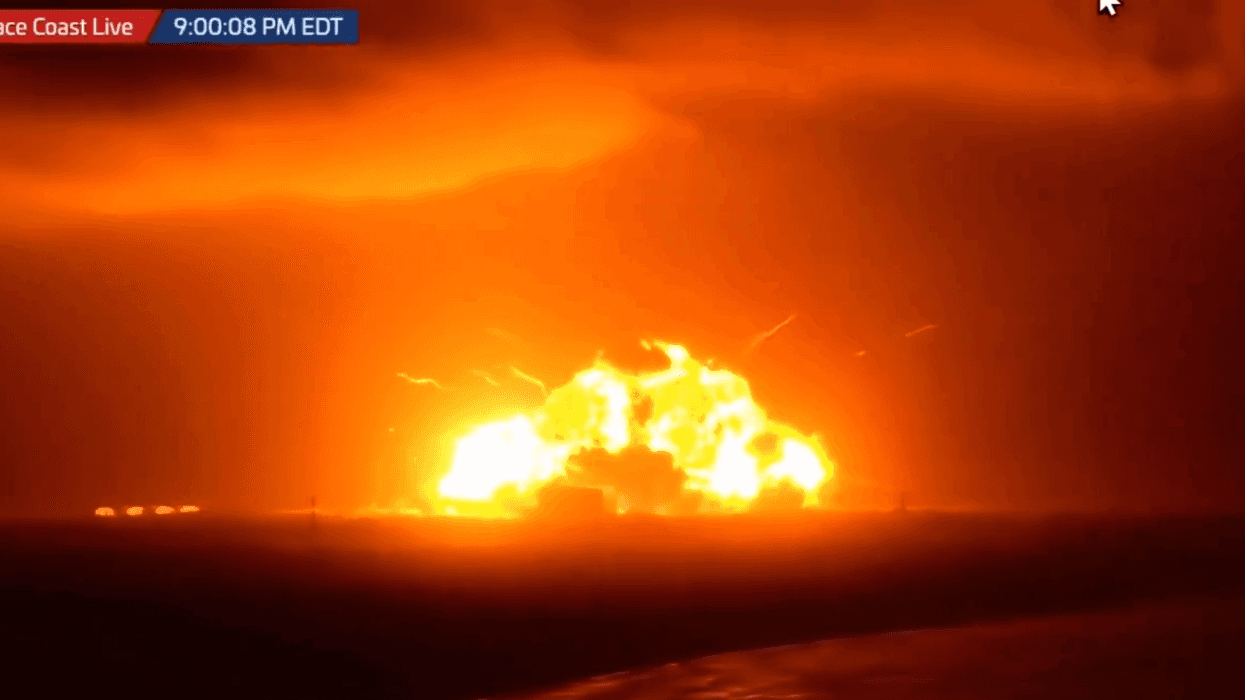
The Blue Origin rocket exploded during a hotfire test at Cape Canaveral, Florida, ahead of a planned mission that was expected to carry dozens of Amazon Kuiper satellites into orbit. While no injuries were reported and all personnel were accounted for, the incident could have implications that stretch far beyond a single launch vehicle.
The setback comes as SpaceX continues expanding Starlink at a pace few rivals have been able to match. The company has already deployed thousands of satellites in low-Earth orbit and built a broadband network serving customers across multiple markets. Amazon, meanwhile, is still in the early stages of rolling out Project Kuiper, making every launch delay more significant in a market where scale and speed increasingly matter.
A race where time matters
Project Kuiper is Amazon’s answer to Starlink, a satellite-based broadband service designed to bring internet access to remote and underserved regions.
The company plans to deploy more than 3,200 satellites as part of the constellation. However, unlike SpaceX, which controls both the rockets and the satellite network, Amazon relies on a mix of launch providers to get its spacecraft into orbit.
That difference is becoming increasingly important.
SpaceX launches Starlink satellites on its own Falcon 9 rockets, allowing it to add new satellites to the network on a regular basis. Every delay faced by competitors potentially gives Starlink more time to expand coverage, attract customers and strengthen its position in a market that is becoming more competitive.
New Glenn was expected to play an important role in accelerating Amazon’s satellite deployment plans. Blue Origin and Amazon are both founded by Jeff Bezos, making the rocket a key part of the wider effort to build a credible rival to Starlink.
The explosion occurred during a static fire test, a routine but critical procedure carried out before launch. Footage circulating online showed the rocket erupting into a massive fireball and engulfing part of the launch area.
Blue Origin described the incident as an "anomaly" in a statement on social media.
"It’s too early to know the root cause but we're already working to find it," Bezos reportedly said on social media. He added that the company would rebuild whatever was necessary and return to flight once the investigation is completed.
The exact cause of the explosion remains under investigation by Blue Origin and the US Space Force.
More than a launch setback
The incident represents another challenge for Blue Origin’s long-running effort to establish itself as a serious competitor in the commercial launch industry.
The company spent nearly a decade developing New Glenn and had planned multiple missions this year as it sought to win a larger share of commercial, government and national security launch contracts.
The explosion also follows a recent setback involving a New Glenn mission that failed to place a satellite into its intended orbit, triggering a Federal Aviation Administration review. Although regulators later cleared the rocket to fly again, the latest incident is expected to bring renewed scrutiny.
For Amazon, the timing is far from ideal.
The company is attempting to rapidly expand Project Kuiper while competing against a rival that already enjoys a substantial head start. SpaceX continues to launch Starlink satellites at a steady pace, while Amazon is still building the infrastructure needed to support a global network.
The latest explosion does not necessarily derail Amazon’s long-term ambitions. However, any lengthy investigation, repairs or launch delays could slow the rollout of Kuiper satellites at a time when Starlink continues to grow.
For now, attention remains fixed on what caused the explosion. Yet the broader question may be whether Blue Origin can recover quickly enough to keep Amazon’s satellite plans on schedule and prevent the gap with SpaceX from growing even wider.