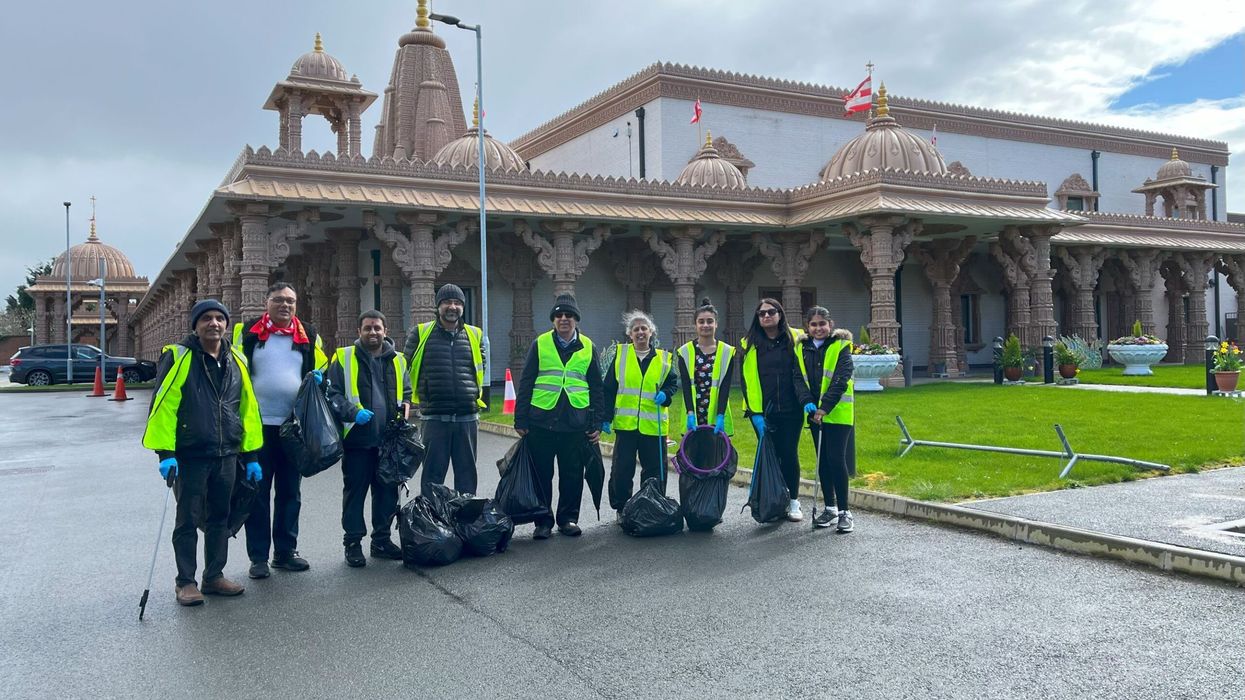

As many as 216 volunteers from 13 BAPS Swaminarayan mandirs (temples) and centres across the UK participated in the Great British Spring Clean, the nation's largest environmental cleanup campaign, over the Easter bank holiday weekend.
These volunteers managed to collect an impressive total of 138 bags of litter, contributing to the overall cleanliness and enhancement of their local environments. Their dedication and hard work did not go unnoticed, as many residents expressed their gratitude for the visible improvements brought about by the cleanup efforts.
The Great British Spring Clean, organised annually by Keep Britain Tidy, marks its 70th anniversary this year. Keep Britain Tidy, a prominent independent environmental charity, has been instrumental in inspiring and educating communities across the country to value and care for their environment.
The collaboration between Keep Britain Tidy and BAPS showcases the power of collective action to foster positive change and improve community well-being.
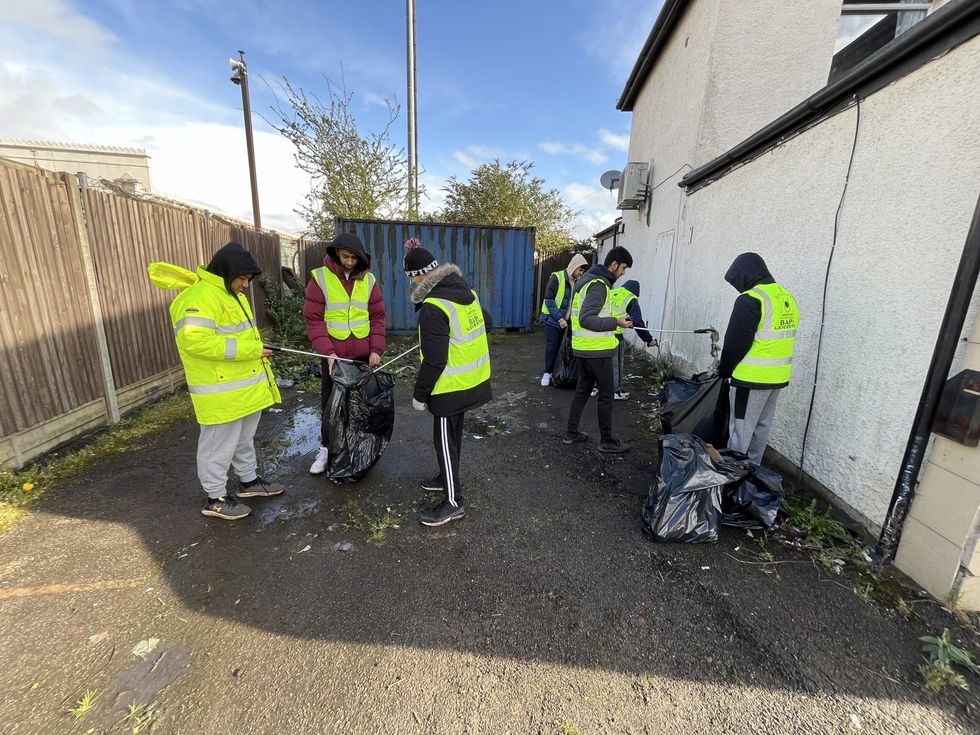 Great British Spring Clean initiative at BAPS, Leicester
Ambrish Limbachia, a national community outreach volunteer for BAPS, highlighted the importance of community service and environmental stewardship in line with the teachings of His Holiness Mahant Swami Maharaj, the global spiritual leader of the BAPS Hindu fellowship.
Limbachia commended the strong spirit of camaraderie and collaboration between BAPS temples and their neighbouring communities, emphasising the shared commitment to creating a cleaner and more sustainable environment.
In addition to expressing appreciation for the volunteers' efforts, Limbachia extended congratulations to Keep Britain Tidy for its remarkable contributions over the past seven decades. He affirmed BAPS's commitment to continue supporting community projects aimed at preserving and enhancing the environment.
The participation of BAPS Mandirs and Centers in the Keep Britain Tidy initiative underscores the organisation's dedication to community engagement and environmental responsibility. By actively participating in initiatives like the Great British Spring Clean, BAPS continues to demonstrate its commitment to making a positive impact on society and promoting a cleaner, greener future for all.
The BAPS mandirs and centres participating in the Keep Britain Tidy Initiative were Neasden Temple, Birmingham Mandir, Chigwell Mandir, Coventry Mandir, Edinburgh, Leeds Mandir, Leicester Mandir, Loughborough Mandir, Luton Mandir, Manchester Mandir, Preston Mandir, South East London, and West London.
In the UK, BAPS is recognised as one of the largest and most active Hindu communities, renowned for its diverse community outreach activities and the internationally acclaimed BAPS Shri Swaminarayan Mandir in Neasden, London, commonly known as the 'Neasden Temple.'