
THE Bank of England in its annual report has said that it awarded its rate-setters a pay rise of one per cent, far below inflation in the financial year 2021-22, according to a report.
Recently, the central bank came under fire for calling on workers to temper their demands for higher wages, reported The Times.
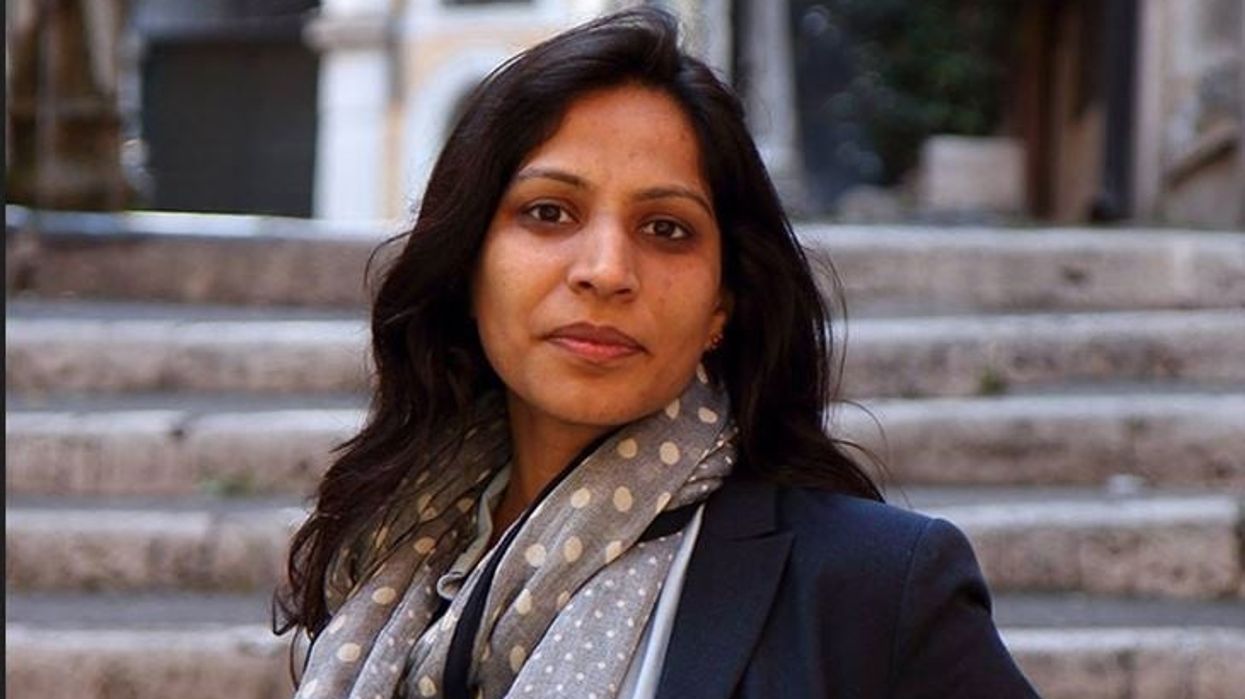
The one per cent pay rise was given to the nine-strong Monetary Policy Committee (MPC). According to the report, the rate-setting MPC will get a boost to its diversity ranks from August when British Indian trade economist and academic Swati Dhingra joins the committee.
She will replace Michael Saunders as an external member of the MPC and will be the third woman on the committee. The Times report added that the Bank’s four external rate- setters were given salaries worth £158,100 last year.
Andrew Bailey, the Bank’s governor, refused his pay rise on a total salary worth £597,592 for the third consecutive year. Bailey earned a basic salary of £495,000 and pension earnings worth £99,000.
Earlier this year, he angered trade unions when he called for wage restraint from employees to keep a lid on inflationary pressures that have multiplied in recent months.
UK inflation is on course to peak above 11 per cent this year, forcing the Bank to increase interest rates.
The Bank’s annual report also revealed that its wage bill dropped in the last financial year to £106 million from £107 million.
The Bank reported a narrowing in its gender pay gap to 18.5 per cent from 19.2 per cent in the year to March 2022.
Its ethnicity pay gap grew to 10.9 per cent from 10.8 per cent as a result of the hiring of minorities that were “concentrated predominantly at mid to lower levels of the organisation.
According to the report, it drove the median hourly pay down relative to that of white colleagues, and as a result, widened the pay gap.
The bank said that the gender and ethnicity pay gaps are driven by an imbalance of male to female and white to minority ethnic staff across scales.
"As part of our strategic priority on diversity and inclusion, we are continuing to increase the number of women and minority ethnic colleagues in senior roles which will help to improve the pay gaps," it said.