
Highlights
- Inflation forecasts consistently undershot actual figures by nearly two percentage points since mid-2021.
- Wage growth predictions missed the mark by almost three percentage points over the same period.
- UK faces heightened market volatility after pension funds reduced long-term bond purchases.
The Bank of England has publicly acknowledged systematic failures in its economic forecasting, admitting its inflation and wage growth predictions have been "repeatedly too low" since 2022.
In its first-ever forecast evaluation report, the central bank revealed inflation has averaged nearly two percentage points higher than predicted since mid-2021, while wage growth has exceeded forecasts by almost three percentage points during the same period.
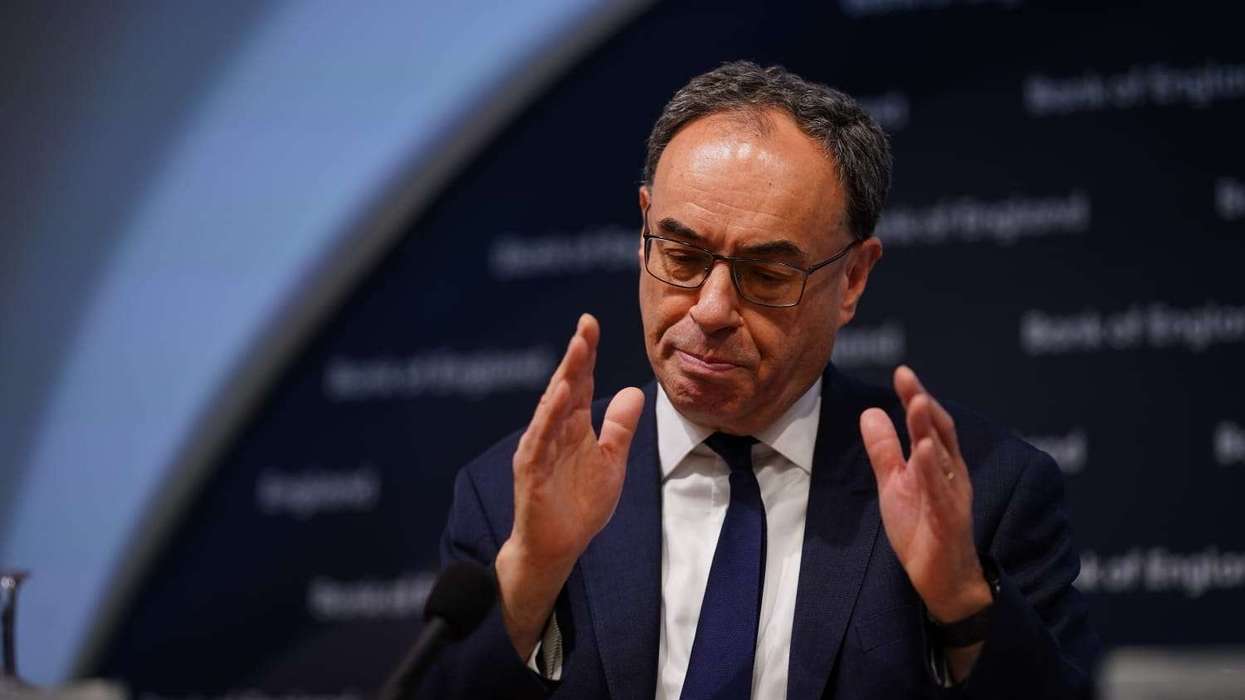
The admission intensifies criticism that governor Andrew Bailey and fellow officials responded too slowly to surging energy costs following Russia's invasion of Ukraine.
Officials identified the Bank's understanding of the labour market as a "relative weak spot" and criticised the Office for National Statistics, stating data revisions meant "Bank staff did not have access in real time to the most accurate steer".
This hampered their ability to make timely policy decisions during the inflation crisis.
The evaluation follows recommendations from Ben Bernanke, former US federal reserve chairman, whose 2024 review identified "serious deficiencies" in Threadneedle Street's forecasting methods.
Bailey admitted in 2023 the central bank had "very big lessons to learn" from its handling of the inflation crisis. Separately, the Bank revealed Britain's elevated long-term borrowing costs last year stemmed partly from pension funds purchasing less government debt.
Interest rates on 20-year gilts remained above 5 per cent throughout most of last year, compared to lower rates in 2024.
Officials warned this development leaves the UK more vulnerable to global market volatility, a concerning prospect given Britain's £2.9 trillion national debt.
Even marginal changes in borrowing costs significantly impact public finances, potentially affecting government spending on essential services.