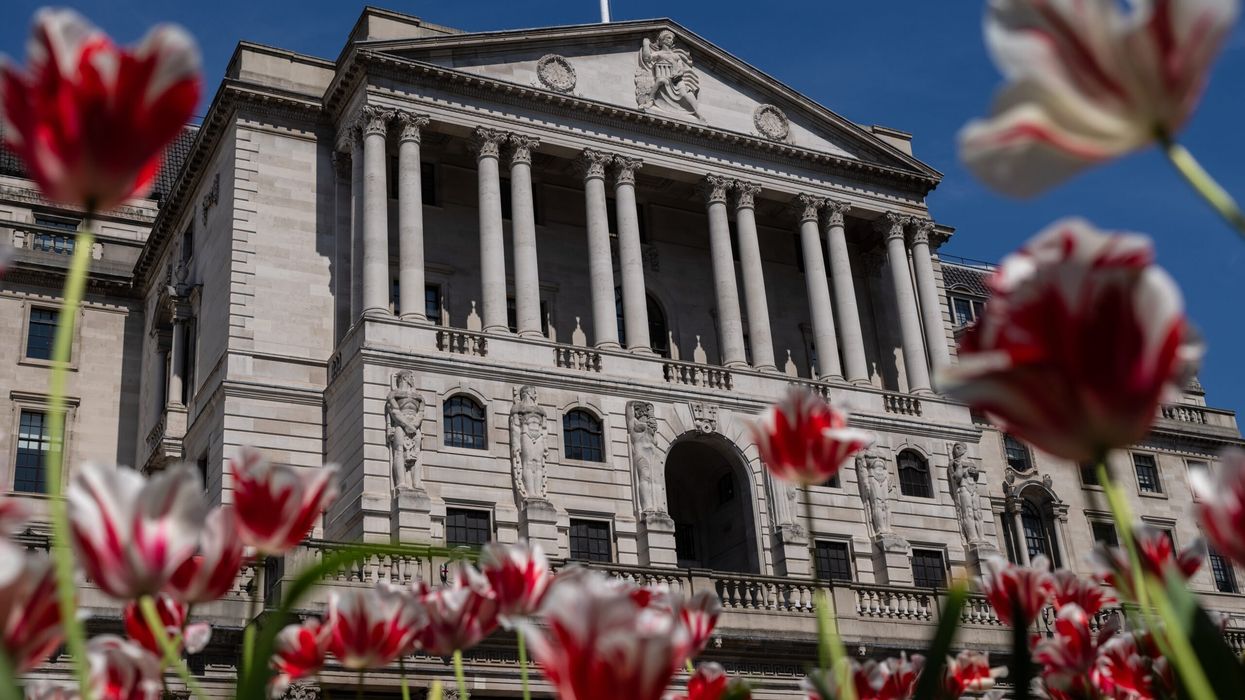

The Bank of England is expected to delay any potential interest rate cut that Rishi Sunak may have been hoping for before the upcoming election.
Scheduled for June 20, the Bank's meeting is likely to maintain current rates amid ongoing inflation pressures, pushing any possible reduction to after the election.
A recent Reuters poll of economists indicates that the first rate cut might not occur until August, with predictions of another cut by the end of the year.
Governor Andrew Bailey and his colleagues refrained from making public statements after the election was called in May, limiting insight into the Bank's forthcoming decision.
Despite headline inflation nearing the Bank's 2 per cent target, strong wage growth and higher-than-expected inflation in the services sector in April suggest that easing borrowing costs now could be premature.
In May, only two out of nine Monetary Policy Committee members supported a rate cut. Governor Andrew Bailey, part of the majority supporting no change, emphasised that a policy change in June was "neither ruled out nor a fait accompli."
However, recent economic data and a stable political landscape suggest that maintaining the Bank Rate at its current 16-year high of 5.25 per cent is likely next week. Analysts anticipate that deputy governor Dave Ramsden might rejoin the majority in supporting this decision.
"The environment suggests the Bank can afford to wait a little longer," noted Peter Dixon, head of EMEA country research at Fitch Solutions. He highlighted the cautious approach amid current global economic conditions.
The Labour Party, currently ahead in pre-election polls, has pledged to maintain fiscal policies similar to those of the Conservative Party, including the Bank of England's 2 per cent inflation target. This continuity suggests that the election outcome might not significantly impact the Bank's near-term monetary policy decisions.
"Nothing is likely to significantly alter the picture in the short term," Dixon said. "I think the transition from a monetary perspective will be relatively smooth."
In summary, the Bank of England's decision next week is expected to reflect its cautious approach amid ongoing inflationary pressures and a stable political environment ahead of the upcoming election.



