
Australian media today launched a scathing attack on Virat Kohli, labeling the India captain as "classless" and "egomaniac" following his no-longer-friends comment at the end of a spiteful Test series.
Australian newspapers came hard on Kohli for declaring that he no longer considers Australian players as friends after what happened in the four-match rubber, which was marred by acrimony between players of both the sides.
The Australian media also took a jibe at Kohli after India reportedly snubbed the visitors' invitation for a beer at the end of the series which the hosts won 2-1 to reclaim the Border-Gavaskar Trophy.
"Virat Kohli had to shake hands and move on after series win but he acted like a child," read a headline in Sydney's Daily Telegraph, which also called Kohli an "egomaniac".
"Beergate: Kohli's latest classless act", another headline read.
Peter Lalor of The Australian newspaper added: "If there were any doubts about the poor spirit between the Indian and Australian sides it was confirmed after the series when the home side shunned a suggestion the two sides drink together."
They also compared Kohli's behaviour with his opposite number Steve Smith, who apologised for letting his "emotions slip" during the aggressively-contested series.
"All Virat Kohli had to do was say sorry. Steve Smith did," wrote Herald Sun journalist Russell Gould.






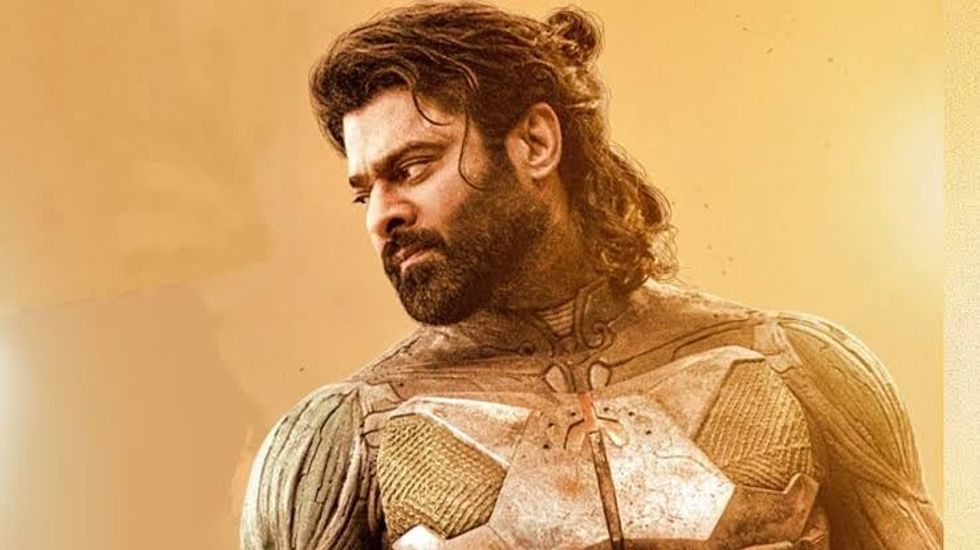 Prabhas in a still from Kalki 2898 AD which completed one yeargetty images
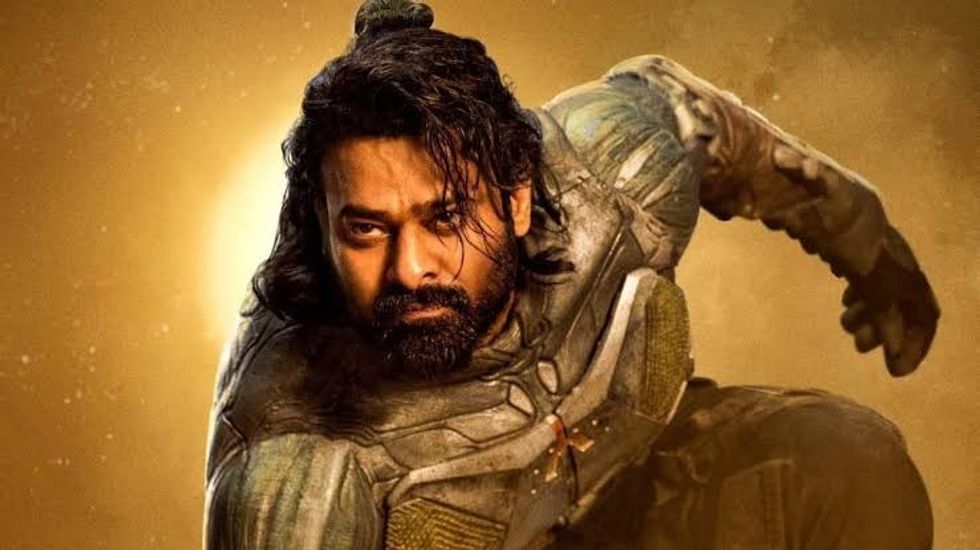 Kalki 2898 AD became one of the top three biggest openers in Indian cinemagetty images
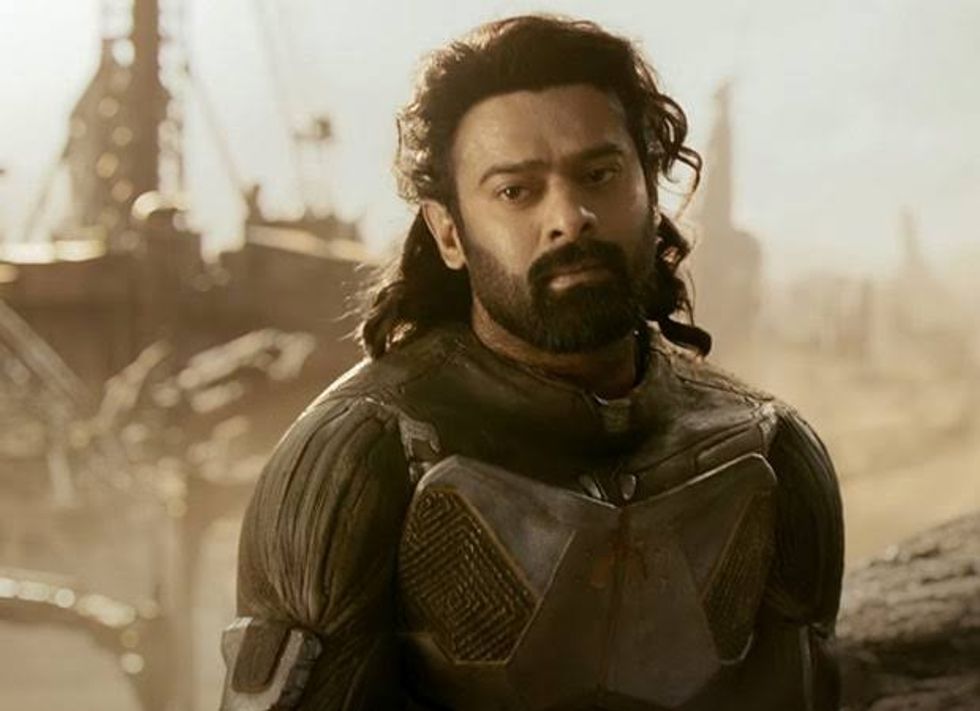 Kalki 2898 AD brought together sci-fi and mythology in a first-of-its-kind Indian filmgetty images
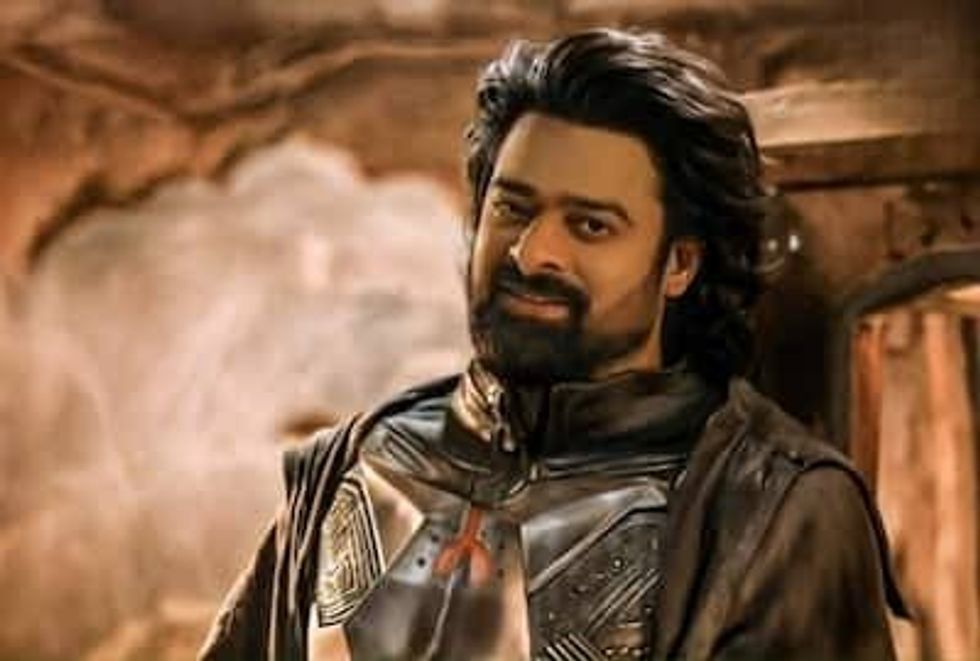 Prabhas plays the futuristic warrior Bhairava in Kalki 2898 AD getty images
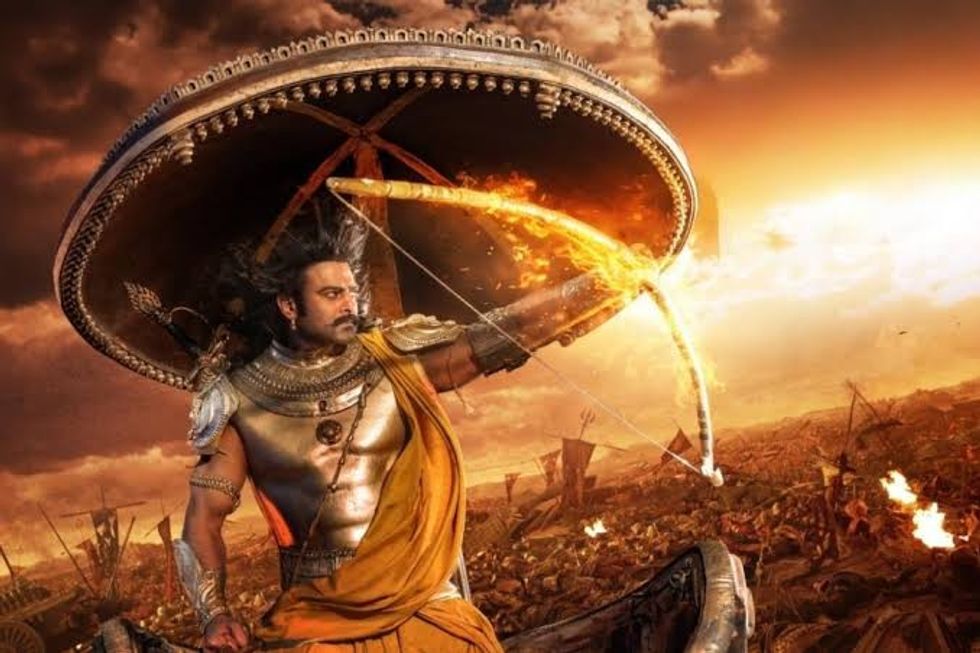 Prabhas in action during a high-intensity sequence from Kalki 2898 ADgetty images
 Kulsuma Aktergetty images
 Shreena Patel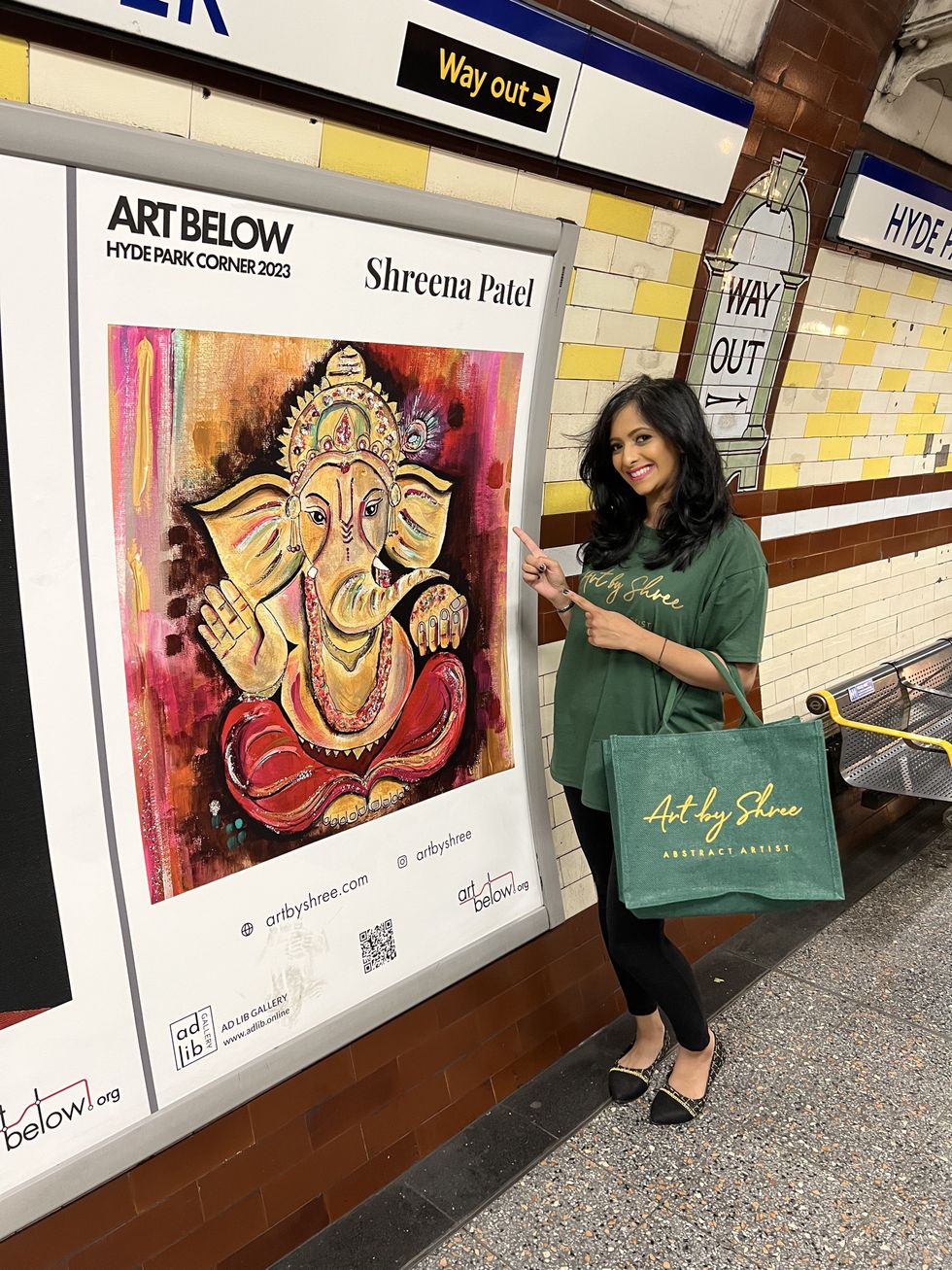
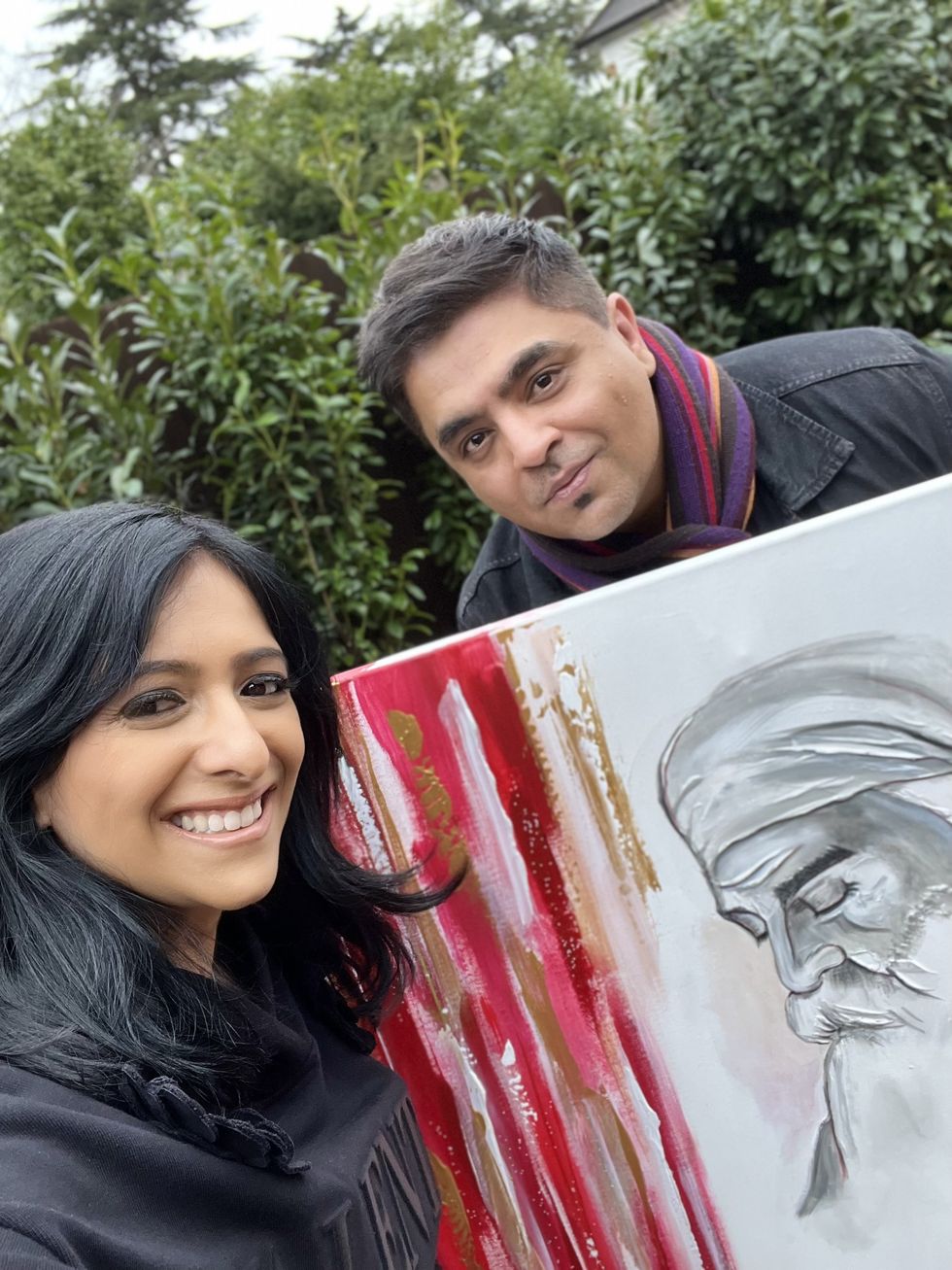
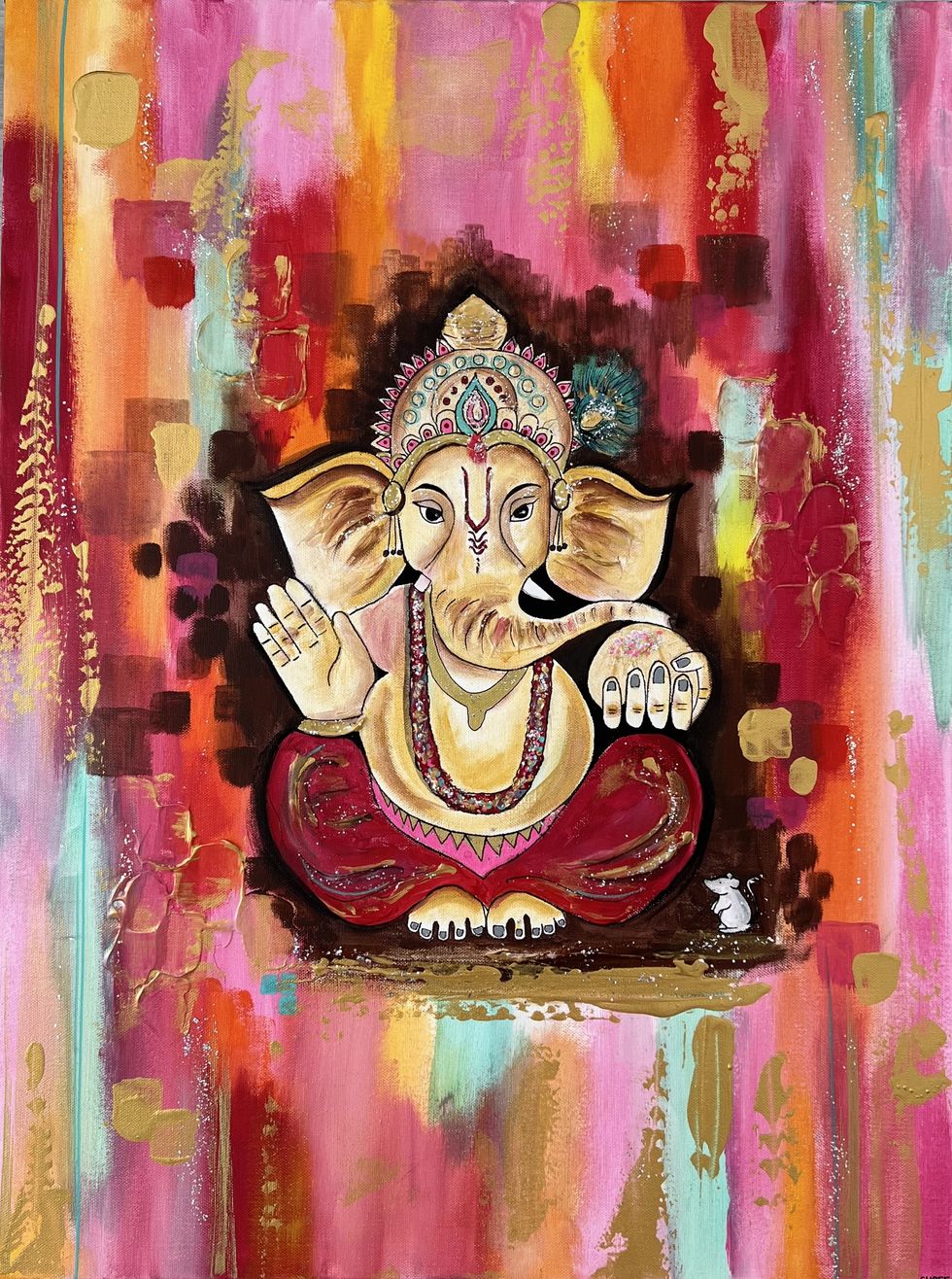 Shreena Patel's work
 Shreena Patel's work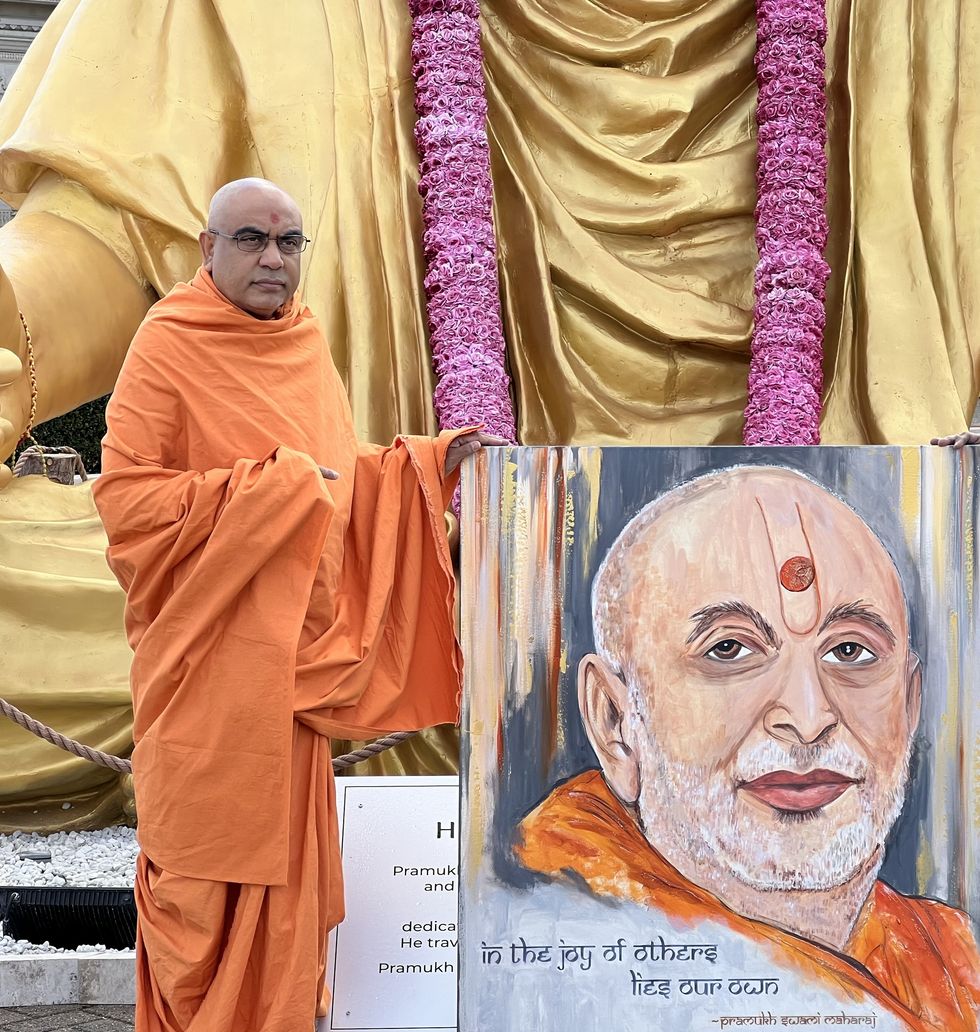
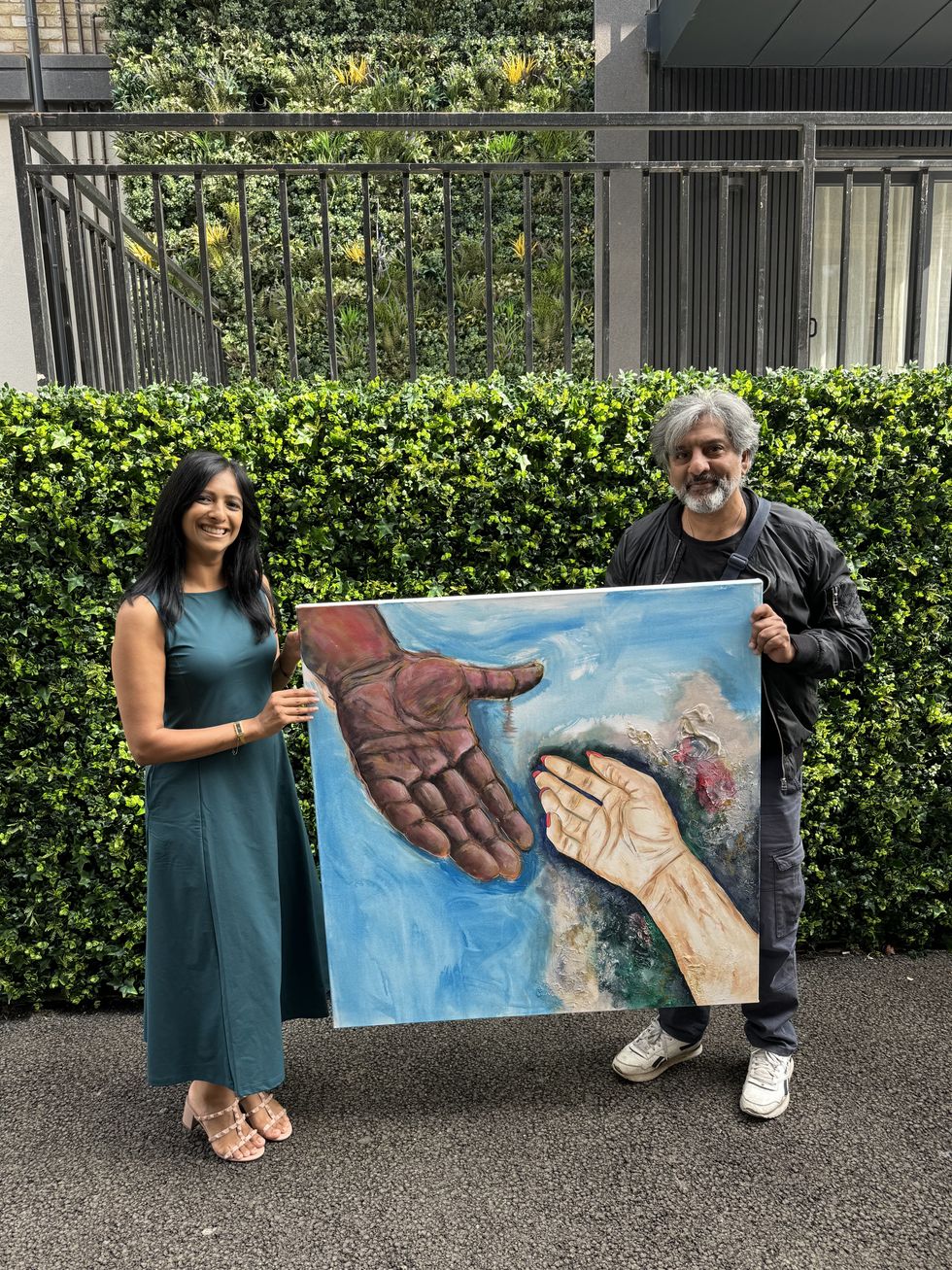
 Shreena Patel's work
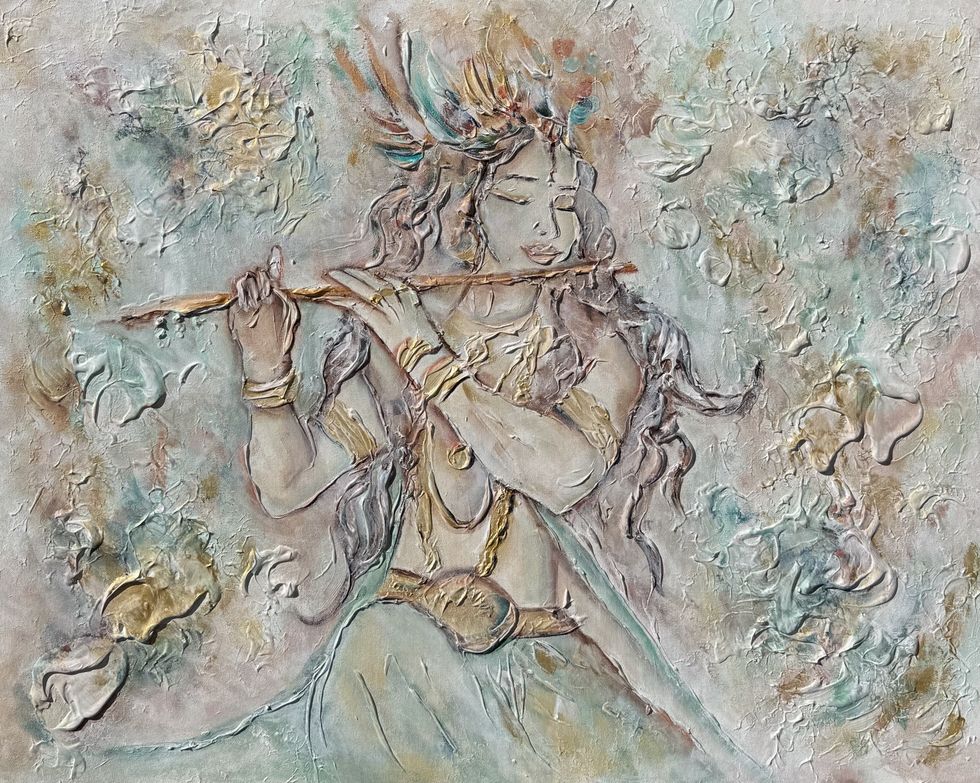
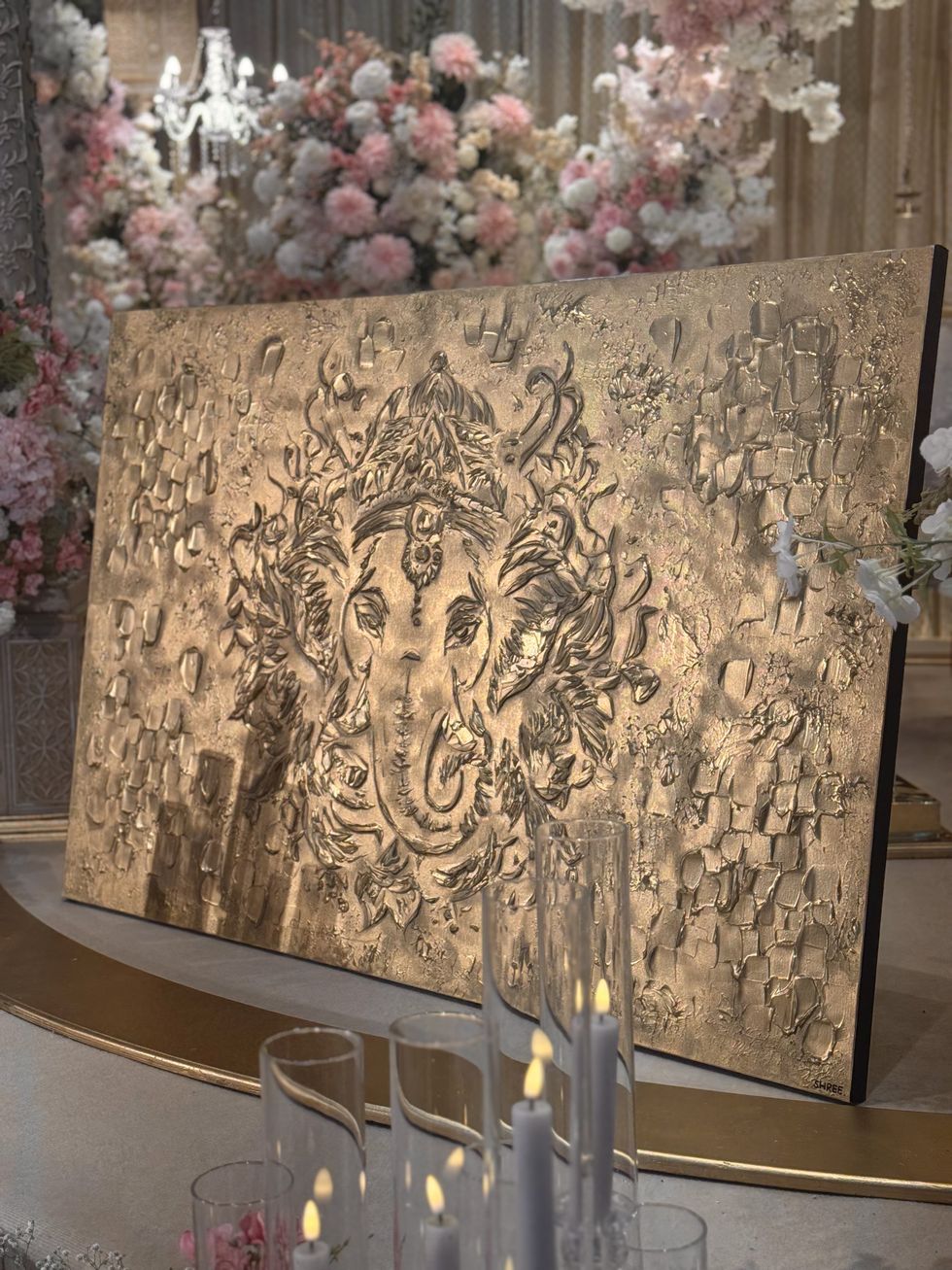 Shreena Patel's work