
- Around 3,500 Asda cleaning workers are set to transfer to two outside contractors.
- The supermarket says no redundancies are planned and the move should be completed by October 1.
- The change comes as Asda continues a wider restructuring after heavy losses, rising debt costs and falling market share.
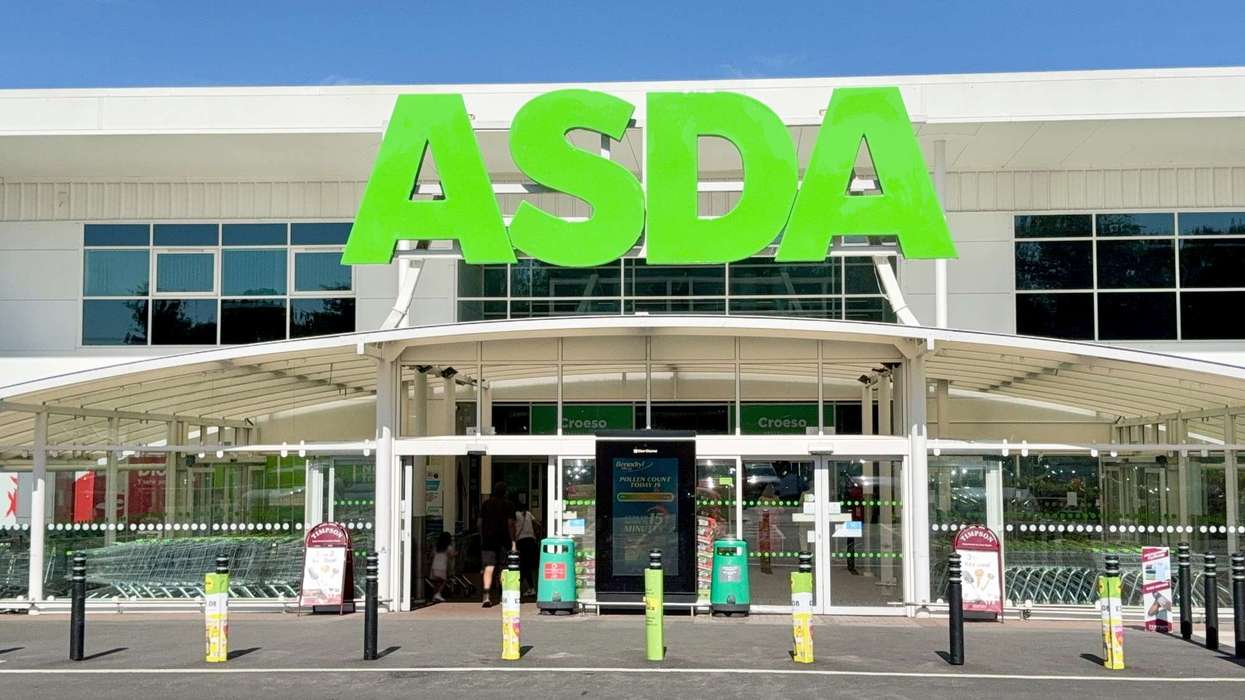
Asda is outsourcing the cleaning of its UK stores, putting around 3,500 cleaning workers on course to leave the supermarket’s payroll and transfer to external companies.
The affected employees are expected to move to Bidvest and NIC Services, with Bidvest taking stores across northern England and Scotland and NIC handling the southern part of England. Asda informed workers about the proposal on August 11 and is aiming to complete the transfer by October 1, 2026.
The supermarket says no redundancies are planned as part of the move. That does not mean nothing changes for the workers, however. Their employer will change, and the immediate questions are likely to centre on pay, hours, benefits, pensions and working arrangements once the contractors take over.
The proposed transfer is expected to take place under TUPE, the UK rules that protect employees when a business or service moves from one employer to another. Government guidance says TUPE can apply when a service such as cleaning is outsourced. Where the rules apply, workers normally retain their existing employment contracts, holiday entitlement and continuous service.
In simple terms, a cleaner who has worked for Asda for years would not normally start from scratch with the new employer. Their length of service should continue, while their existing contractual terms are generally protected. Workers who do not want to transfer can refuse, but government guidance says this would normally be treated as resignation and would not usually qualify them for redundancy pay.
That protection could explain why the announcement is being described as a transfer rather than a straightforward round of job cuts. But it may not settle every concern workers have about what happens after the handover.
A cleaner store, but a different employer
Asda's argument is that outsourcing will give it access to specialist equipment and technology that can improve the standard of cleaning across its stores. The supermarket says the plans include enhanced toilet cleaning, steam cleaning of trolleys and baskets, better maintenance of entrances and checkout areas, and greater use of robotic cleaning equipment.
David Lepley, Asda's chief operating officer, reportedly said the supermarket wanted to deliver "the cleanest stores in retail" and described the move as an investment in the customer experience.
Asda has also pointed out that it is the only major supermarket still operating an in-house cleaning model, arguing that using external contractors is already standard across the rest of the sector.
The GMB union sees the move rather differently. Rachelle Wilkins, a GMB organiser, reportedly described the decision as "detestable" and said the union had asked Asda in April whether further outsourcing was planned, only to be told there were no such plans.
The union's concern is not simply about who signs the employment contract. It has warned that outsourcing companies have a record of changing pay, conditions and staffing arrangements, raising questions about what happens to workers after the initial TUPE protection period.
The Workers Union has also called for clearer information on pay, contracted hours, holiday arrangements, pensions, workplace locations and management structures before the transfer takes place.
For workers, there is therefore a gap between no redundancies planned and no uncertainty. The first statement is Asda's position on the immediate job impact. The second is something the company will have to demonstrate through the transfer process.
Another piece of Asda's bigger cost-cutting puzzle
The cleaning decision is unlikely to be viewed in isolation. It follows a series of changes at Asda as the supermarket tries to simplify its operations and bring costs under control.
More than 7,500 roles were lost across Asda's operations in 2025, although that figure covers wider workforce changes and should not be treated as one single redundancy programme. The supermarket has also been reshaping its George clothing operation, with around 1,200 warehouse workers affected by plans to move online clothing fulfilment to DHL.
Store security has already moved in the same direction. More than 2,000 security workers transferred to Mitie under TUPE in March, after Asda outsourced security across more than 1,100 locations. GMB later raised concerns about consultations over hours and possible redundancies among security guards.
The backdrop is a supermarket still under considerable financial pressure. Asda's finance costs rose to more than £730 million in 2025, while it reported a pre-tax loss of almost £1 billion. Its net debt stood at about £3.1 billion at the end of the year.
Its market position has also weakened. Recent reporting put Asda's grocery market share at around 11.4 per cent, down from 12.6 per cent when Allan Leighton returned to lead the business. Sales excluding fuel were also under pressure, leaving the supermarket trying to regain customers while managing a costly turnaround.
Against that backdrop, outsourcing cleaning can be seen as another change to the way Asda runs its stores. The company says the focus is better cleaning, specialist expertise and technology. For the workers involved, though, the immediate issue is more basic: they are being asked to move from one employer to another.
The coming weeks should make clearer how the transfer works in practice, including what happens to working hours, benefits and day-to-day management. For now, Asda says the jobs are not being cut. But for 3,500 cleaners, the name on the payslip is about to change.