
- Asda’s annual profit fell 33 per cent to £764 million.
- Sales continued to dip despite aggressive price cuts.
- Debt remains high even as the company pushes a turnaround plan.
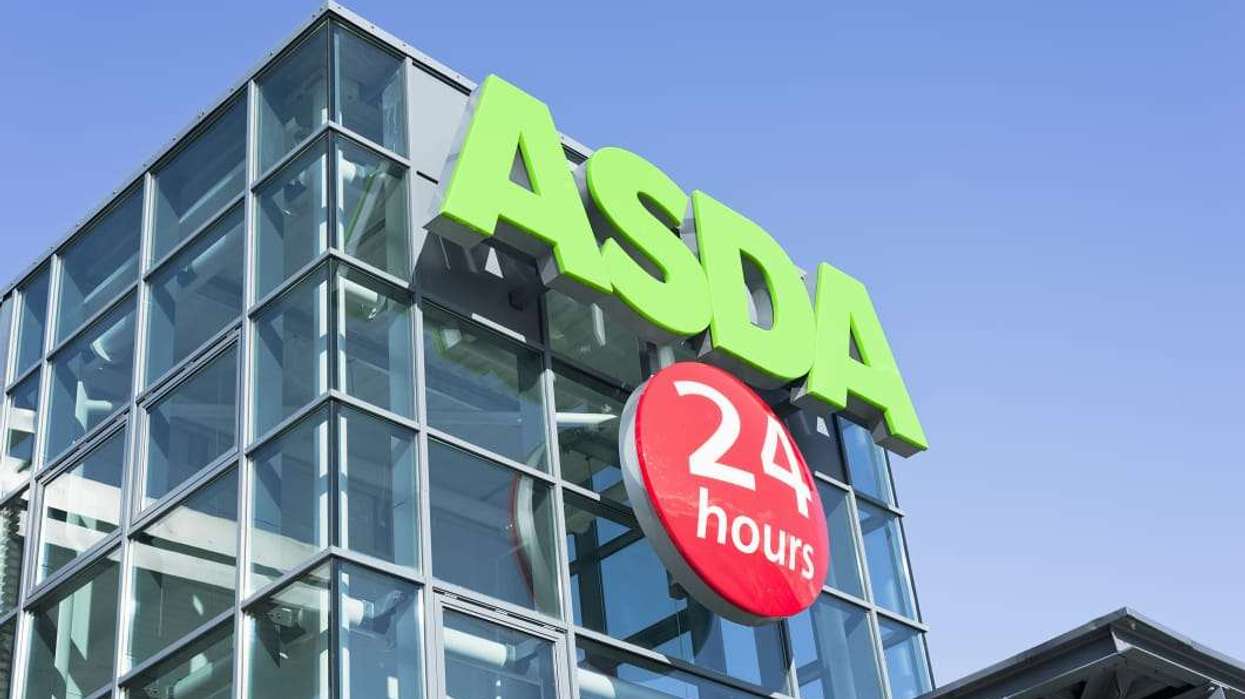
Asda, the UK’s third-largest grocery chain, has reported a sharp drop in profits, with earnings falling by a third over the past year. The Leeds-based retailer posted adjusted Ebitda of £764 million for the year ending December, down from £1.14 billion a year earlier.
The decline comes as Asda doubles down on price cuts in a bid to regain customers, while also dealing with the fallout of a major technology overhaul. Executive chairman Allan Leighton reportedly said the profit hit reflects “significant” investment in pricing and the knock-on effects of separating its systems from former owner Walmart, as quoted in a news report.
The IT transition, part of a £1 billion project, has not been smooth. It led to operational disruption, financial losses and even payroll issues for staff.
Sales figures suggest the recovery is still fragile. Like-for-like sales fell 3.1 per cent over the year, only slightly better than the previous year’s 3.4 per cent drop. Total sales, excluding fuel, slipped 3.3 per cent to £21 billion.
Debt, doubts and a long road ahead
Since its £6.8 billion takeover in 2021 by TDR Capital and the Issa brothers, Asda has struggled with declining market share and rising debt. The grocer ended the year with net debt of £3.1 billion, although that is £500 million lower than the previous year, alongside £1.3 billion in cash.
Leighton has pushed back against concerns around the company’s finances, reportedly saying liquidity stands at £2.1 billion and that ownership has not constrained decision-making. He also suggested the drop in profits was a conscious choice to invest in the business rather than a sign of deeper trouble, as quoted in a news report.
To ease pressure on its balance sheet, Asda raised £568 million through a sale-and-leaseback deal involving 24 stores and a distribution site. For now, there are no immediate plans to repeat that move.
The turnaround plan, expected to play out over three to five years, centres on cutting costs, simplifying product ranges and restoring Asda’s position as a price-focused retailer. The company says availability has improved to 95 per cent, an eight-year high, after stabilising its systems.
There are early signs of improvement. Asda reported positive like-for-like sales in food stores in February and March, and across the wider business in March. Still, the broader environment may complicate things.
Leighton warned that geopolitical tensions, including the Iran war, could push food prices higher and dent consumer confidence. Prices, he suggested, could rise unevenly, with some items seeing sharp spikes, reportedly said in a news report.
For now, Asda appears to be in the middle of a reset—spending heavily to rebuild, while hoping the payoff comes before patience runs out.