
Highlights
- The ASA banned the Call of Duty: Black Ops 7 advert after nine viewers said it trivialised sexual violence .
- Activision Blizzard said the ad was pre-approved by Clearcast and targeted only adult audiences .
- This is the second time a Call of Duty advert has been banned in the UK, following a 2012 ruling.
The commercial was part of a wider campaign promoting the latest game in the Call of Duty series.
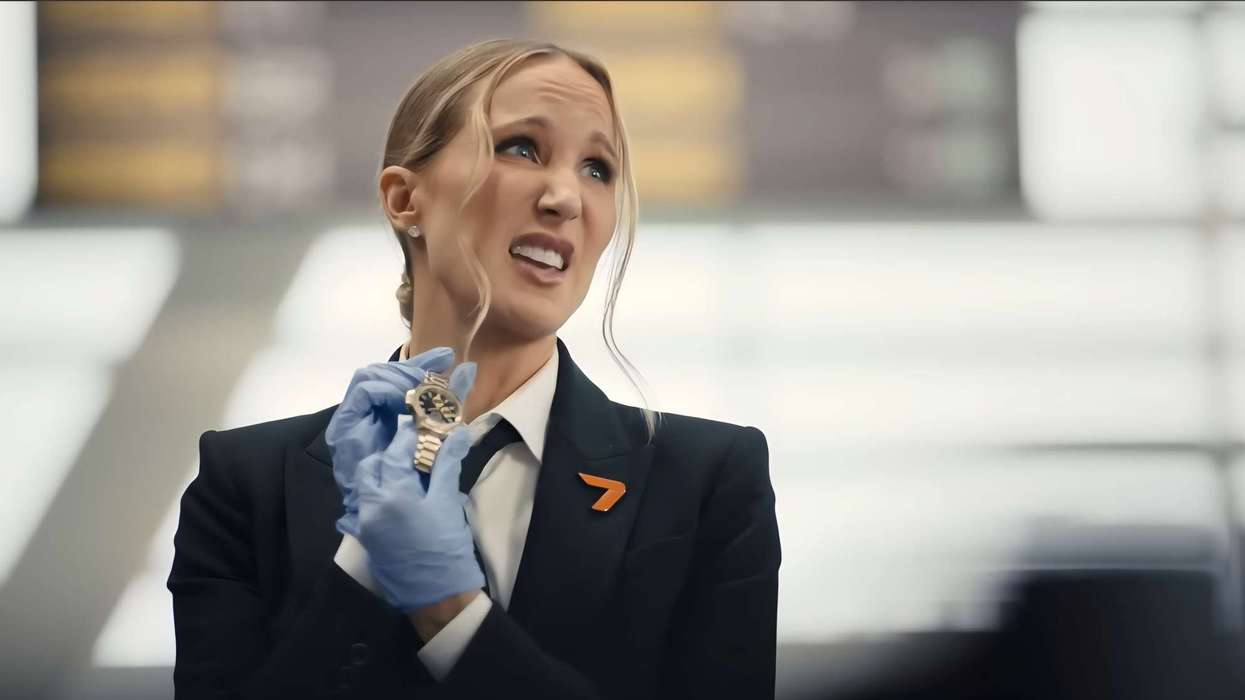
The campaign was built around a simple idea real workers had abandoned their jobs because they were too busy playing Call of Duty: Black Ops 7, so fake "replacers" had stepped in to do their work instead. Comedian Nikki Glazer played one of these replacer characters.
In the advert set at an airport security checkpoint, a man was told he had been randomly selected "to be manhandled."
He was then instructed to remove his clothes down to "everything but the shoes" while a female officer put on a pair of gloves and said "time for the puppet show." The real security officers were absent because they were playing the game.
Watchdog steps in
Activision Blizzard UK Ltd defended the advert, saying it promoted an 18-rated game and was therefore aimed only at adult audiences, who the company said had a higher tolerance for irreverent or exaggerated humour.
The firm said the scenario was deliberately implausible and parodic, bearing no resemblance to real airport security procedures. It argued the humour was about physical discomfort, not sex, and that the advert contained no explicit content or objectifying imagery.
The company also pointed out that the advert had been reviewed and approved by Clearcast, which pre-clears television advertising in the UK. It confirmed the ad carried an "ex-kids" timing restriction, meaning it was not broadcast during or around children's programmes or content likely to appeal to those under 16.
The ASA acknowledged the video did not include explicit imagery and that the man remained fully clothed throughout.
However, the watchdog ruled that the humour was "generated by the humiliation and implied threat of painful, non-consensual penetration of the man." The ASA ordered that the advert must not appear again in its current form.
Two other viewers also complained the advert encouraged or condoned drug use, pointing to a scene where replacement officers picked up a prescription medication container and winked at the camera. The ASA did not uphold this complaint.
This is not the first time a Call of Duty advert has faced a ban in the UK. In 2012, an advert for Call of Duty: Modern Warfare 3, which showed armed men firing at a lorry, was given a daytime ban by the ASA for scenes of violence and destruction considered inappropriate for young children.