
- $14.99: New monthly price of Apple TV in the US
- $119: New annual subscription price
- Nearly 3x: How much the monthly price has risen since Apple TV launched in 2019
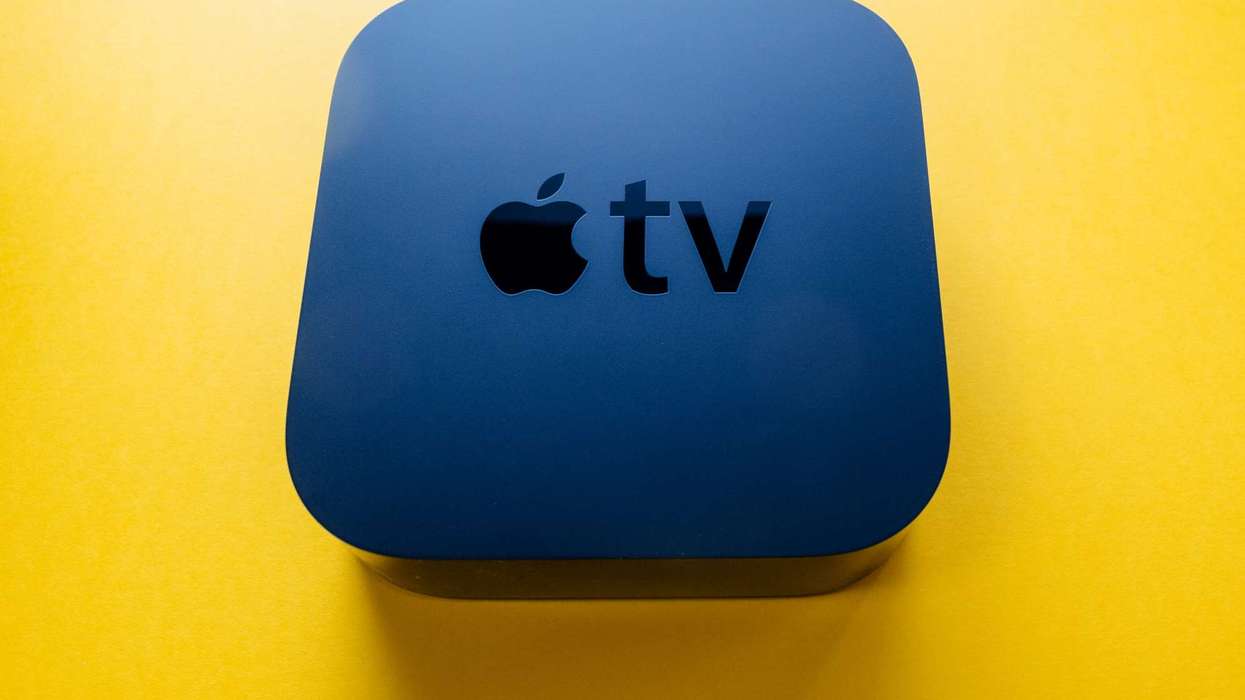
Apple TV has raised its subscription price for the fourth time in four years, taking the monthly cost in the US to $14.99, up from $12.99.
The latest $2 increase took effect on Friday (28) for new subscribers, while existing customers will receive about a month's notice before the higher price applies to their next billing cycle. The annual subscription has also increased from $99 to $119.
The latest increase means Apple TV now costs roughly three times its original monthly price. When the streaming service launched in 2019, it cost just $4.99 a month. The price rose to $6.99 in 2022, $9.99 in 2023, $12.99 in 2025 and now $14.99 in 2026.
That makes the latest increase more than just another $2 added to a monthly bill. It marks a significant shift for a service that entered the streaming market with a deliberately low price designed to attract viewers.
Apple's latest move comes as streaming companies across the industry continue to raise prices.
Netflix, YouTube Premium and Peacock have all increased prices, while other services have also moved towards higher subscription fees. The trend reflects an industry that is increasingly focused on generating more revenue from existing viewers rather than simply attracting new subscribers.
Apple TV has also expanded considerably since its launch. Its catalogue now includes high-profile series and films, while the service has added live sports such as Formula 1, Major League Soccer and Friday Night Baseball in the US.
The company has also reported strong viewing figures. Apple said during its fiscal third-quarter earnings call that Apple TV reached an all-time high for viewership in June.
That gives Apple a stronger argument for charging more, even as the price continues to climb.
What does the new price mean for subscribers?
At $14.99 a month, a subscriber paying monthly would spend almost $180 over a year, compared with $119 for the new annual plan.
The annual option therefore offers a substantial saving for people who intend to keep the service throughout the year.
Apple is also increasing the price of its Apple One Individual bundle from $19.95 to $21.95 a month. The bundle includes Apple TV alongside services such as Apple Music, Apple Arcade and iCloud storage.
Apple TV remains cheaper than some rival premium streaming services, and it does not currently offer an ad-supported tier. But repeated price increases are changing how consumers may view the service.
At launch, $4.99 made Apple TV an inexpensive addition to a collection of streaming subscriptions. At $14.99, viewers may be more likely to consider whether they watch enough content to justify keeping it year-round.
For Apple, that creates a new challenge: raising prices can increase revenue per subscriber, but the company must make sure viewers do not decide that another subscription has become too expensive to keep.