

Economics has long masqueraded as an absolute science—a world governed by cold spreadsheets, sterile formulas, and the fictitious Homo Economicus, a creature driven purely by rational self-interest. But in her audacious new book, Everyman: The Story of Economics in Three Acts (Allen Lane), Cambridge economist Antara Haldar shatters this fragile illusion. She invites us to view global capitalism not through dry data, but through a distinctly human, psychological, and storytelling lens.
Haldar constructs a brilliant, kaleidoscopic drama where economic history unfolds like a theatrical masterpiece. Instead of dragging readers through heavy theory, she breathes life into abstract concepts by reimagining them as compelling, everyday characters. We meet Neo, the textbook rational actor; Finn, the model finance bro; Davos, globalisation’s ambitious ambassador; and Tek, the techno-futurist representative of Silicon Valley. Through these figures, Haldar traces the dramatic arc of modern capitalism—from its early origins to the Great Depression, through the 2008 financial crash, to today’s turbulent age of tech monopolies and political populism.
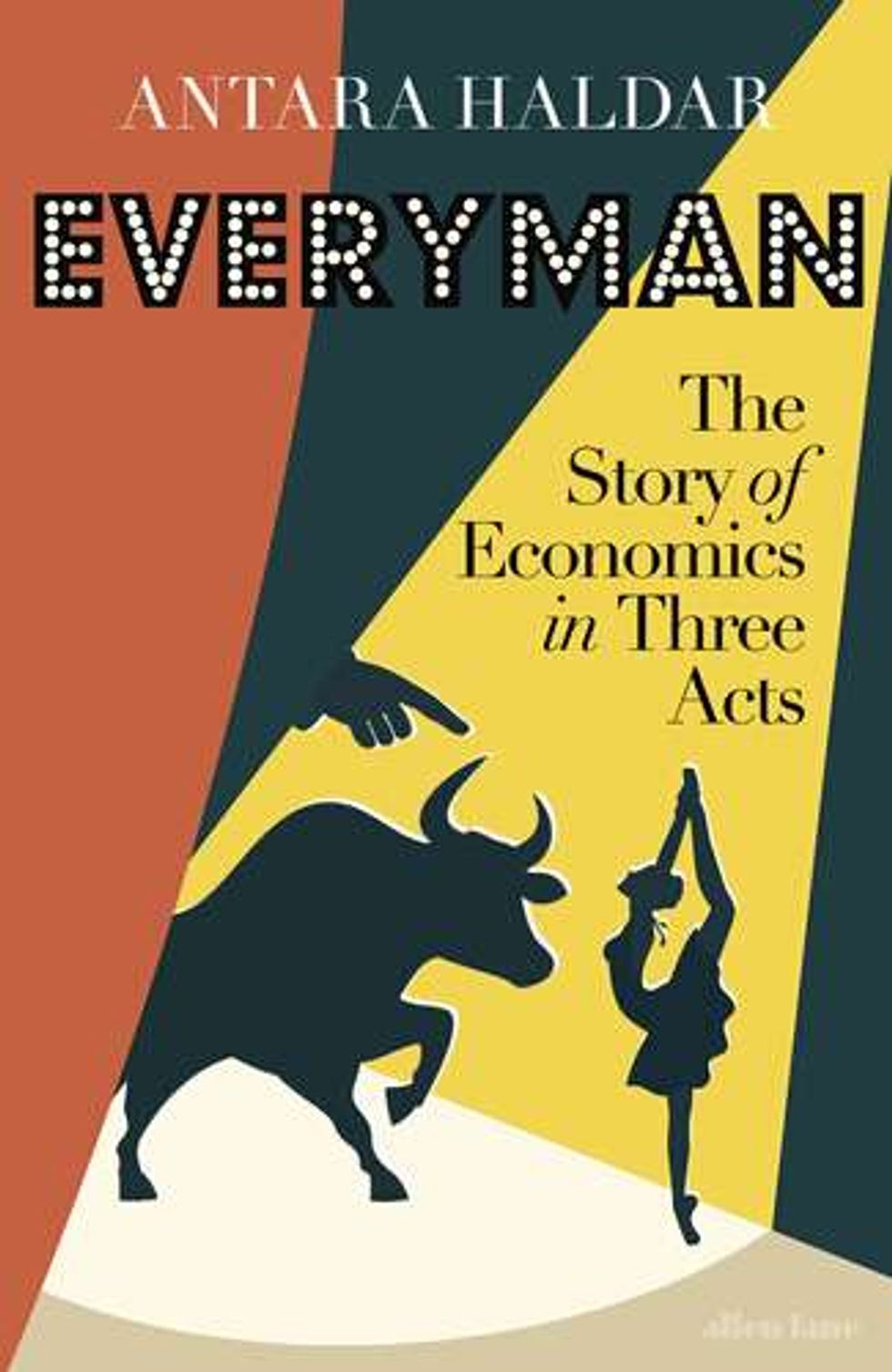 Everyman Book coverMita Mistry
What makes Everyman so easy to connect with is Haldar’s insistent focus on emotion, empathy, and collective well-being. For centuries, mainstream economic models have treated human feelings and social bonds as mere noise in the system—unimportant details to be filtered out. Haldar boldly flips this narrative, showing that our economies are fundamentally human creations: stories we have written together, and therefore scripts we have the power to rewrite. She pits the rigidity of "Economic Man" against the living, breathing reality of "Everyman," challenging us to consider who our financial systems are really meant to serve.
Her writing bridges the gap between academic rigor and plain-English storytelling. Haldar effortlessly weaves cutting-edge research alongside literary greats—from Steinbeck to Hemingway—making high-stakes economic history feel completely accessible. It is a body of work that is intellectually sharp without ever losing its soul or its grounding in real life.
Ultimately, Everyman is more than just a history of economic thought; it is an important call to reclaim our shared future. Haldar reminds us that when we anchor systems purely in self-interest and efficiency, we risk tearing society apart. Real, meaningful balance can only be restored when we weave compassion, cooperation, and human connection back into the fabric of our economic world. It is a transformative, essential read for anyone looking to understand where our money and markets came from, and how we can help shape a fairer world for tomorrow.
(Mita Mistry contributes to Eastern Eye and hosts the Healing Place podcast. She has written three books - All You Need Is Rest, How to Understand and Deal with Social Anxiety, and The Social Anxiety Workbook.)



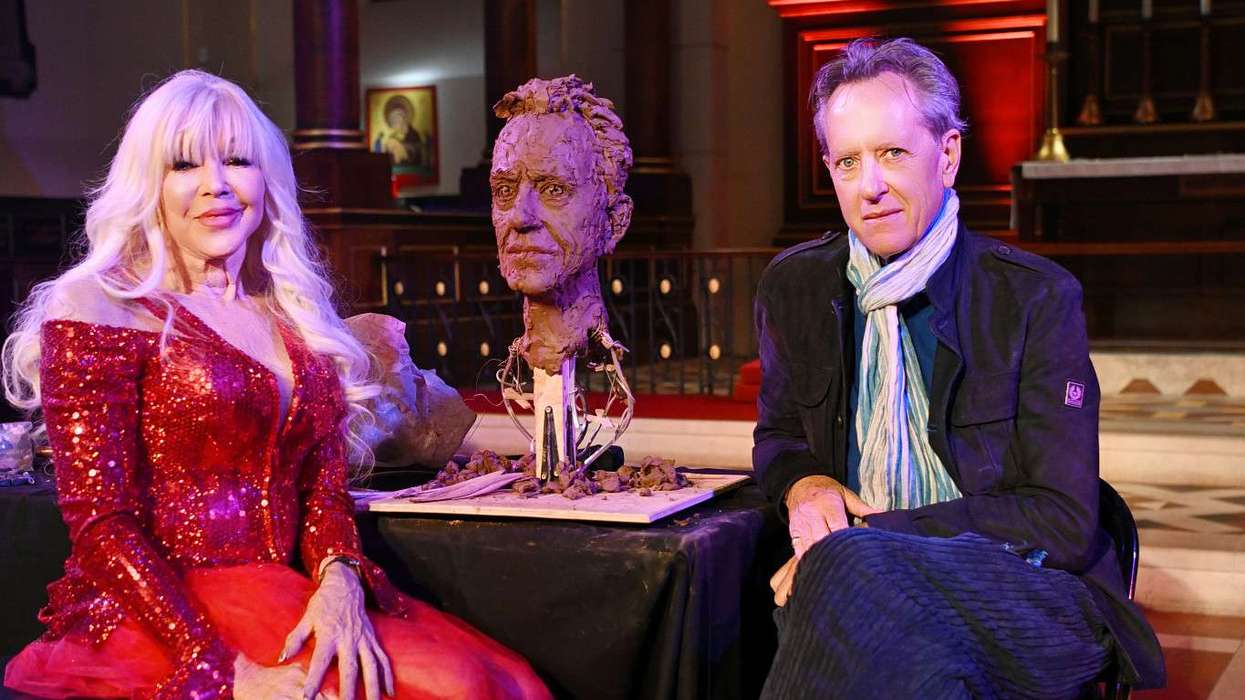
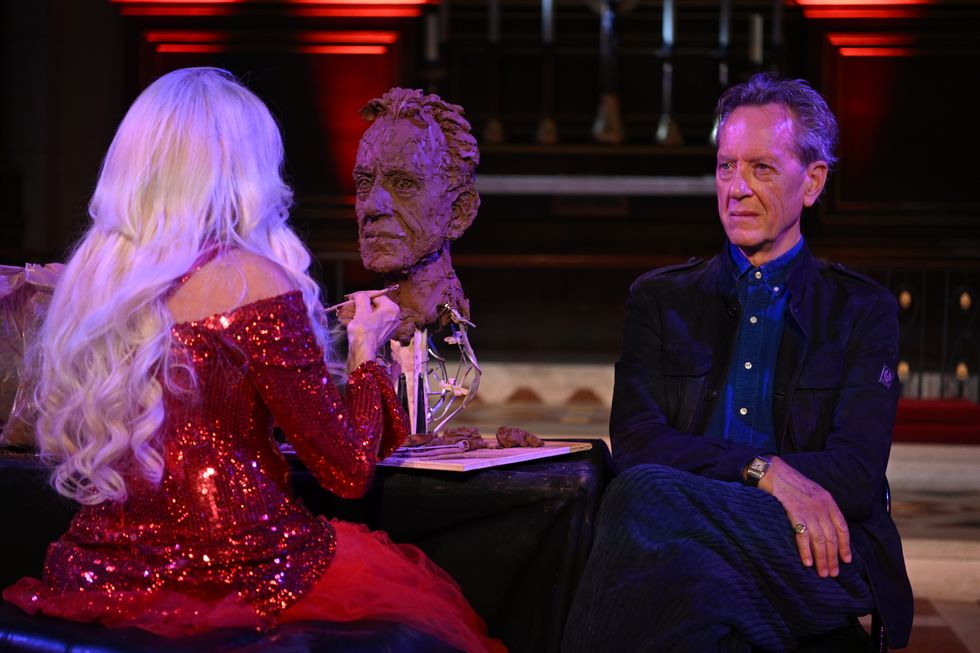 Frances Segelman makes bust of Richard E GrantSophie Dunne
  Frances Segelman with maquette of Mulayam Singh Yadav Sophie Dunne
 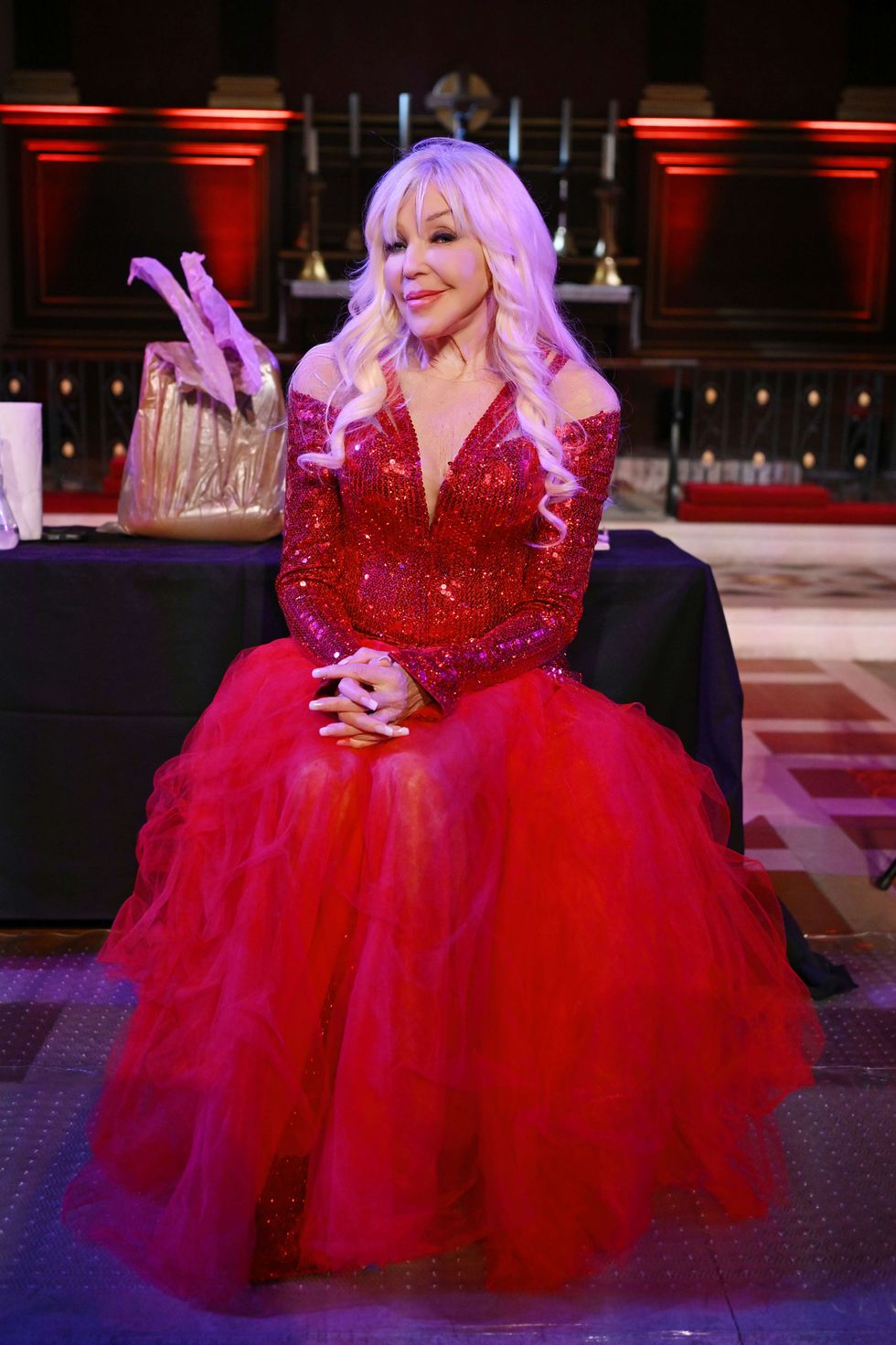 Frances Segelman was dressed by KruszynskaSophie Dunne
  Frances Segelman live sculpting Richard E Grant in Actors' Church in Covent Garden.Sophie Dunne