- Burnham became prime minister after meeting King Charles at Buckingham Palace.
- Speaking without notes, he pledged to 'regain stability and promised a new political and economic model.
- Starmer resigned, saying Britain was stronger and fairer than when he took over.
- Burnham is expected to announce his cabinet.
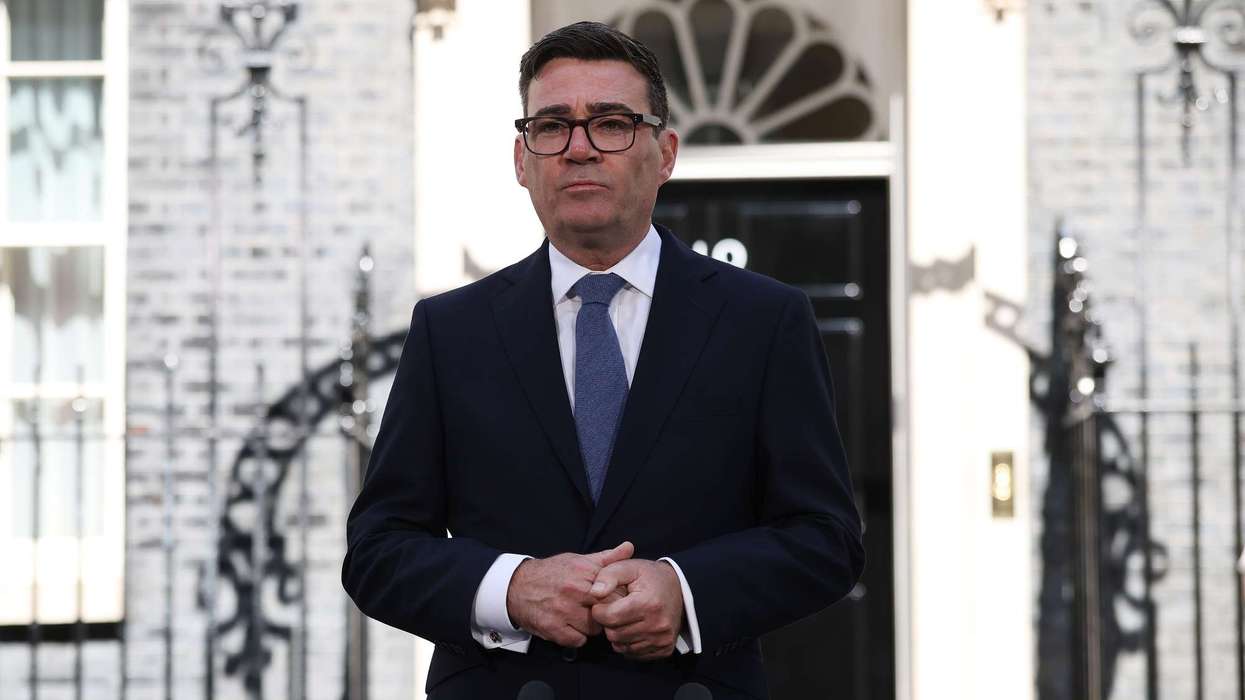
ANDY BURNHAM became Britain's new prime minister on Monday after meeting King Charles III at Buckingham Palace, formally taking over from Keir Starmer.
Speaking without notes outside Downing Street after accepting the King's invitation to form a government, Burnham said Britain needed to "regain our stability once again" and promised a new approach to politics and the economy.
"I know people at home are fed up with politics. I hear you, and I want to be honest with you. We have not been good enough, and we need to be better. We will be."
Burnham said his appointment was "a moment for reflection and new resolution", noting that he was the sixth person in the last 10 years to become prime minister and the seventh since 2016.
"It requires my generation of politicians to raise our game and rise to the new challenge," he said.
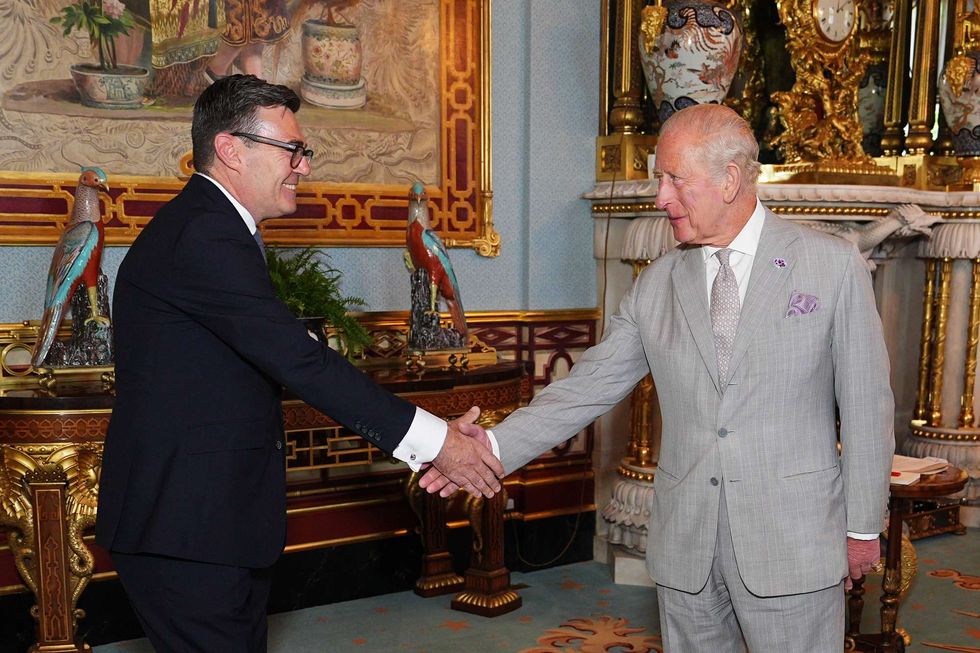 King Charles welcomes Andy Burnham, during an audience at Buckingham Palace, where he invited the leader of the Labour Party to become Prime Minister and form a new government.Getty Images
He said his government would "make this moment a circuit breaker for Britain", bringing forward "the biggest changes in the last 40 years-a new political model and a new economic model".
Burnham shelves digital ID scheme in cost-of-living push
Burnham said Britain had taken "some wrong turns" in the 1980s, with political power becoming centralised, economic power privatised and large parts of the country de-industrialised.
He said many communities had still not recovered and pledged to make politics "more collaborative, more about problem solving than point scoring". He also said power would be devolved across the country.
Burnham said he would publish a 10-year plan for Britain later this year but would also announce measures from Tuesday to give people "some breathing space" and help with the cost of living, including how they would be funded.
He said the government would help more young people into work by changing the education system, provide more mental health support, build more council homes and create "a more preventative state, investing in people's success rather than paying for failure".
Burnham also said his first instruction as prime minister would be to end rough sleeping.
"I will put the care of people at the heart of everything I do," he said, urging people to "build a new national sense of unity, of common purpose, and positivity".
Burnham finalising cabinet
"Let us make this the moment when Britain starts to believe again-the moment we bring back hope."
Earlier on Monday, Starmer left Downing Street after delivering a farewell speech in which he defended his two years in office.
The king accepted Starmer's resignation before inviting Burnham to form the next government, which he accepted.
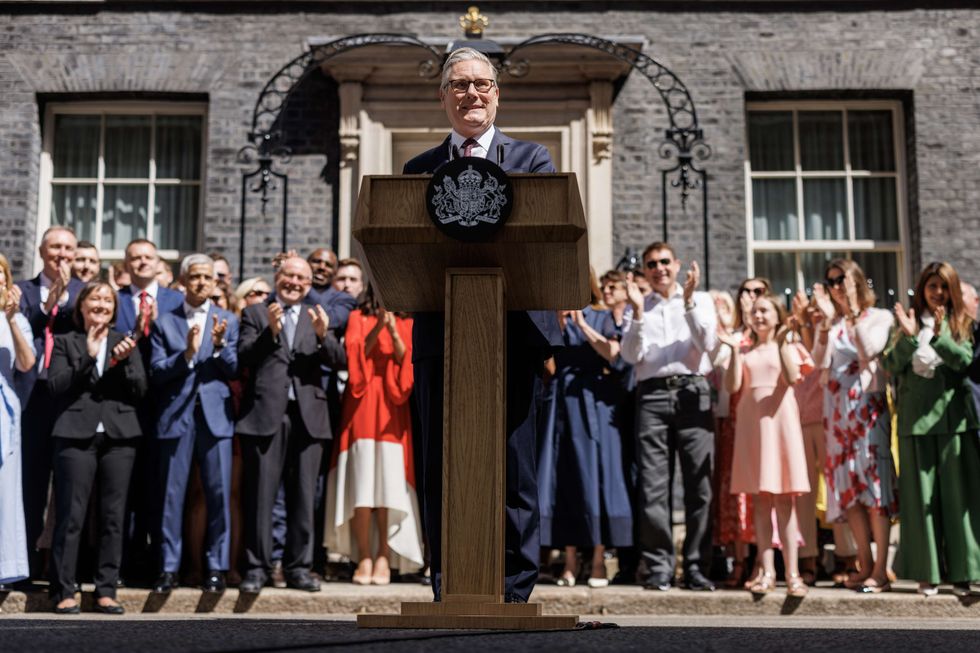 Keir Starmer delivers a farewell speech after standing down as prime pinister in Downing Street on on July 20, 2026 in London.Getty Images
The 56-year-old becomes the sixth prime minister to enter Downing Street in the past 10 years.
"I am confident that Britain is now stronger and fairer than it was two years ago," Starmer told reporters outside Downing Street.
"I go with good grace, I go with a smile, and I go proud of everything that we have achieved," he added.
Burnham takes office facing challenges including slow economic growth, high government borrowing costs, rising welfare spending and irregular migrant crossings that have boosted support for Nigel Farage's Reform UK.
He will also have to deal with unpredictable energy prices linked to the US-Iran war and the policies of US president Donald Trump.
In an interview with The Times published on Sunday, Burnham said he wanted to draw a line under more than a decade of political turmoil.
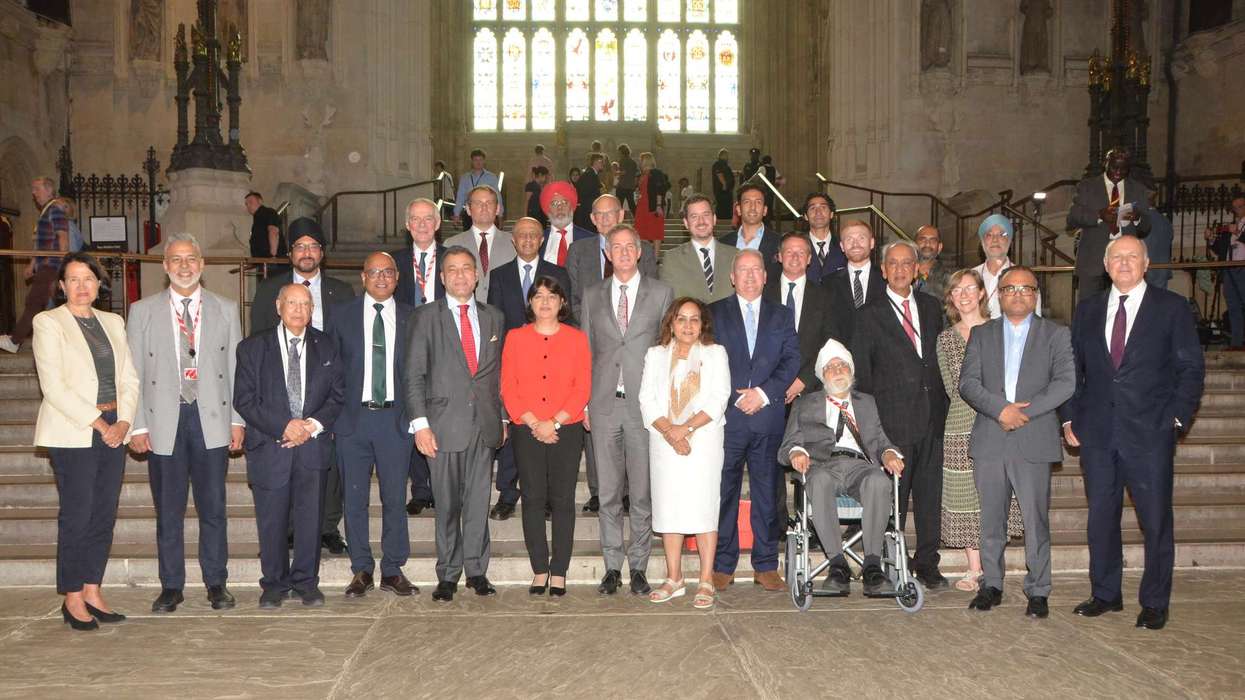
Starmer leaves UK-India ties stronger
"What we've been doing hasn't been working. That's the way I see it," he said.
"I am going to try and do things in a different way."
His team had earlier said his first speech would set out "priorities for restoring confidence in government and giving Britain more breathing room" during the cost-of-living crisis.
Burnham is also expected to announce his senior cabinet appointments on Monday, including who will replace Rachel Reeves as finance minister.
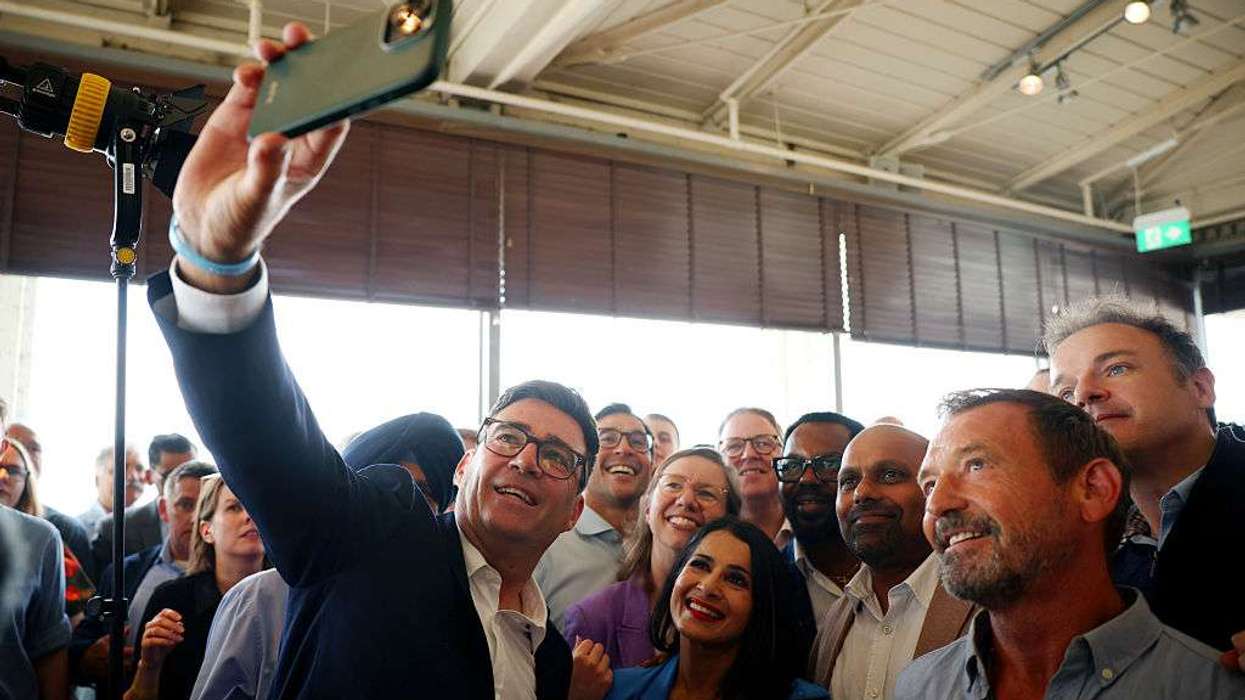
The former mayor of Greater Manchester, known as the "King of the North", was brought in by Labour after Starmer resigned last month, with party MPs seeing him as the best chance of countering Nigel Farage's Reform UK.
Burnham told The Times he would take a "different approach to public spending, and to running the economy -- more focused on early investment, early intervention, setting people up for success, and much less paying for failure."
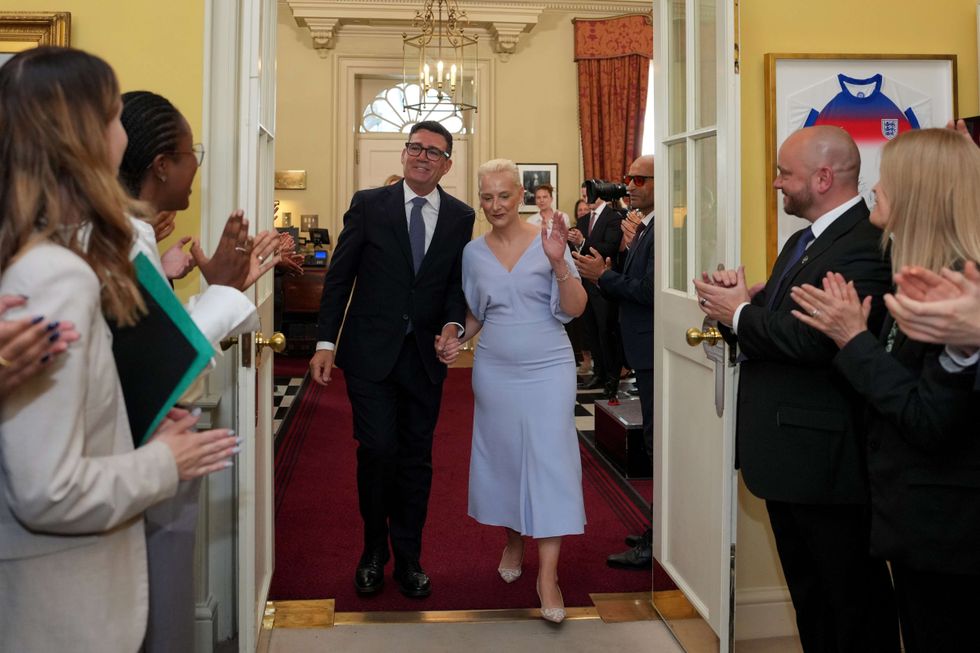 Andy Burnham and his wife Marie-France van Heel are welcomed by staff as they arrive inside 10 Downing Street on July 20, 2026.Getty Images
He also promised "early moves to help" with the cost of living, saying he had heard the "pressure people feel around their finances" while campaigning.
Starmer led Labour to power in July 2024 with a landslide election victory after 14 years of Conservative rule.
He announced his resignation as prime minister and Labour leader in late June after a series of scandals, policy U-turns and other setbacks.
Burnham, who returned as an MP only four weeks ago, has limited room to act because of slow economic growth, high public debt and fiscal rules requiring government spending to be balanced against tax revenue.
Burnham served as an MP from 2001 to 2017 and held ministerial roles in the governments of Tony Blair and Gordon Brown.
He has three years before the next general election, expected in 2029, with Reform leading opinion polls.
Addressing supporters on Friday, Burnham described Labour's return to power under his leadership as the party's "last chance" to get things right.
While critics have argued Starmer's government was under-prepared for office, Burnham has insisted he has a "plan".
His first policy announcement came on Saturday when he scrapped Starmer's nationwide digital ID scheme, estimated to cost £1.8 billion over three years.
A spokesperson said the money and resources would instead be directed "to where it's most needed, such as helping with the cost of living".