
Highlights
- UK Health Security Agency relaunches its mascot for World Antimicrobial Resistance Awareness Week
- New campaign targets young adults with gym partnerships and a pharmacy-themed disco
- Latest data shows antibiotic-resistant infections rise by 9.3% in England
- Andi Biotic delivers key reminders on when antibiotics should and shouldn’t be used
Andi Biotic is back on duty
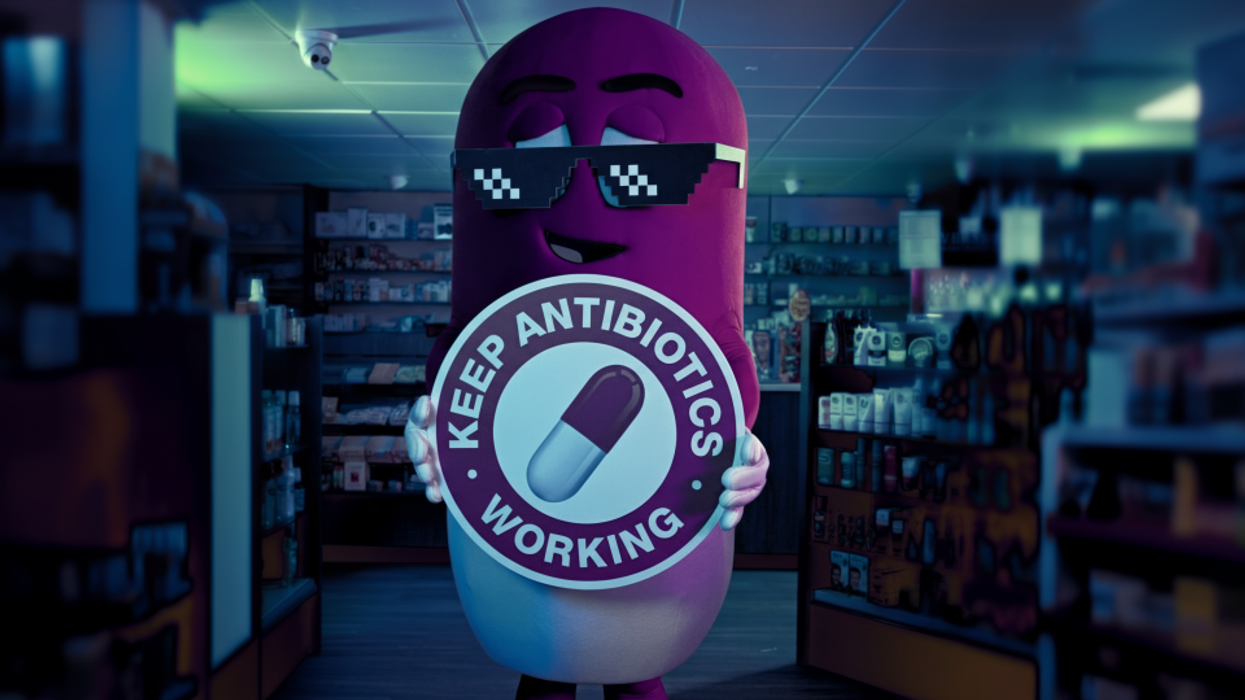
The UK Health Security Agency revives its popular red-and-white mascot Andi Biotic for World Antimicrobial Resistance Awareness Week, this time with a lively campaign aimed at young adults. The second phase of the Keep Antibiotics Working initiative launches today, using humour, dance moves and everyday settings to stress the importance of responsible antibiotic use.
The return comes as new figures show a growing challenge. The latest English Surveillance Programme for Antimicrobial Utilisation and Resistance report records a 9.3% rise in antibiotic-resistant infections over the past year, with nearly 400 people in England diagnosed each week.
 Partnerships with Better Gyms, Amazon and other brands Onclusive
A serious message with a lighter touch
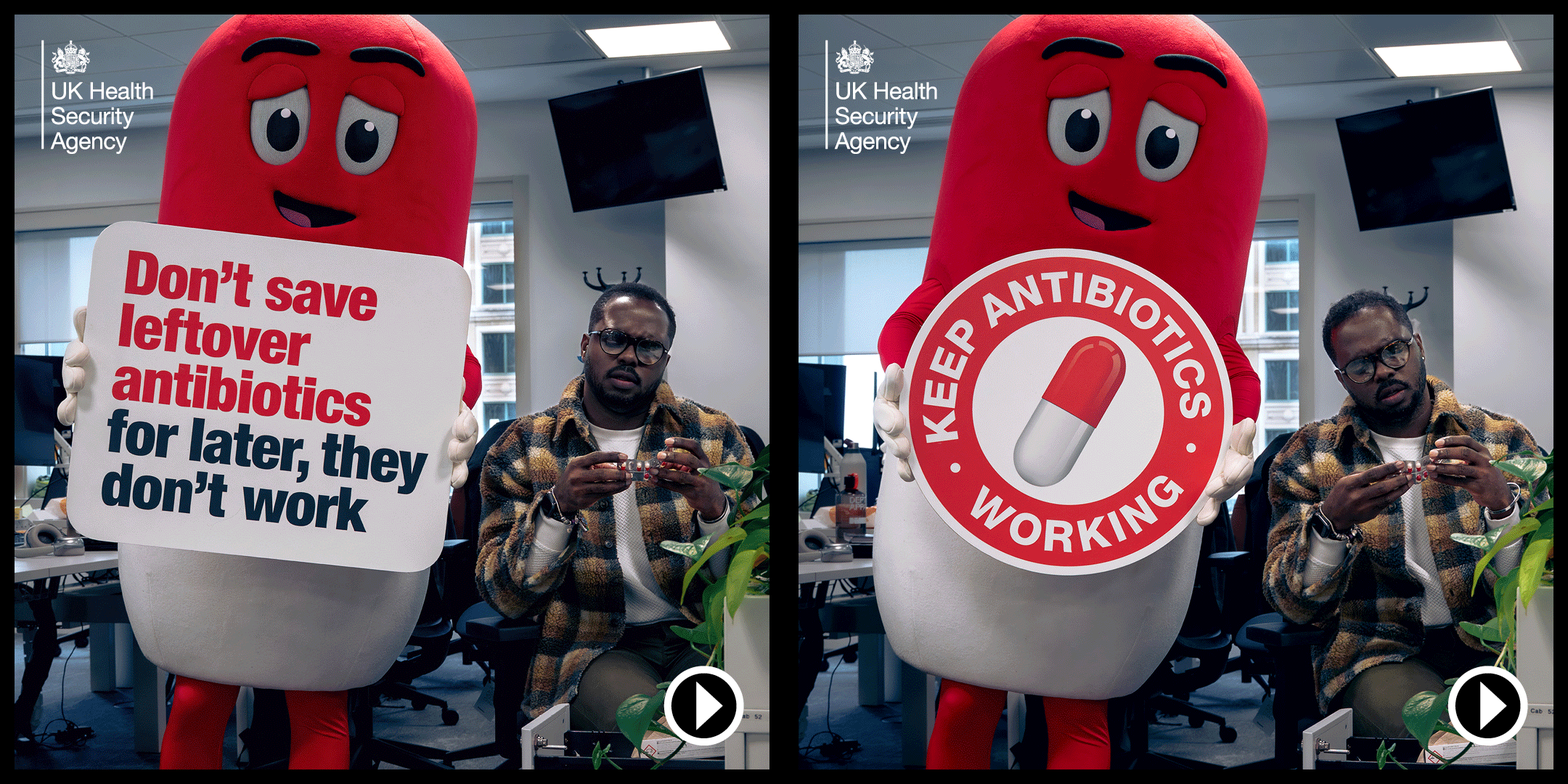
Instead of leaning on alarming statistics, the campaign focuses on positivity. Andi appears in gyms, offices and even at a pharmacy disco, reminding people that small actions can make a big difference. Partnerships with Better Gyms, Amazon and other brands help place messages where young adults are most likely to see them.
Footage across UKHSA’s social channels shows Andi dancing, posing and popping up in unexpected moments while emphasising simple steps to keep antibiotics working.
 She notes that antibiotic resistance remains one of the biggest threats to modern medicinOnclusive
Expert view
Dr Alicia Demirjian, Consultant Epidemiologist and Clinical Lead for Antimicrobial Resistance and Prescribing, says the upbeat tone helps reach younger audiences without losing sight of the issue.
She notes that antibiotic resistance remains one of the biggest threats to modern medicine, but stresses that individuals play a key role. By taking antibiotics only when necessary and following professional advice, she explains, people help protect treatments for the future.
Key behaviours the campaign promotes
- Avoid antibiotics for colds and flu, as they do not treat viral infections
- Only take antibiotics when prescribed, and always follow the instructions
- Never save antibiotics for later or share them with anyone else
Encouraging public pledges
Alongside the mascot’s comeback, UKHSA invites the public to commit to responsible use by signing up as an Antibiotic Guardian. More than 200,000 people have already made the pledge as the initiative continues to expand.