The food that you eat after a workout is just as important to the one you consume before hitting the gym. And while many say alcohol is an absolute NO, a fitness expert claims that a glass of beer might not be the worst drink to consume after a grueling session at the gym.
According to Brandon Mentore, a strength and conditioning coach, the problem is when one knocks back several glasses of alcohol.
"Beer in particular has a recovery effect that is on par with some recovery sport drinks," Mentore told Mail Online. The fermentation of the carbohydrates in beer "makes the nutritional content more available and absorbable."
Wine is beneficial as it helps prevent various diseases and can also aid post-workout recovery.
"It’s important to note though that a beer every once in a while is ok, not several. Making it a regular practice of consuming alcoholic beverages or carbonated drinks post workout is not recommended at all," he said.
Last year, J. Leigh Leasure from the University of Houston in the US, the lead author of a study to link the relationship between physical activity and alcohol consumption, told Coach that alcohol and working out trigger a similar response in the brain’s reward center.
“Both alcohol and exercise independently activate reward circuitry, so engaging in one could in fact trigger a desire for the other,” she said. This could be one of the reasons for the popularity of fitness fads such as beer yoga, which has participants chugging a bottle of beer while enacting traditional yoga poses.
Although a beer once a while is permissible, sugary drinks are to be avoided.
Consuming soft drinks that contain added sugar, artificial sweeteners, and high fructose corn syrup are not ideal before a workout, as it can cause a crash in blood sugar during a workout. This could result in people experiencing shakiness, dizziness, anxiety and fatigue while exercising, Mentore told Mail Online.
"The higher the intensity and/or duration of the exercise the more this can become problematic. For example a runner who drinks a mountain dew before a half marathon may hit 'the wall' after mile 10 because blood sugar plummets," Mentore added.


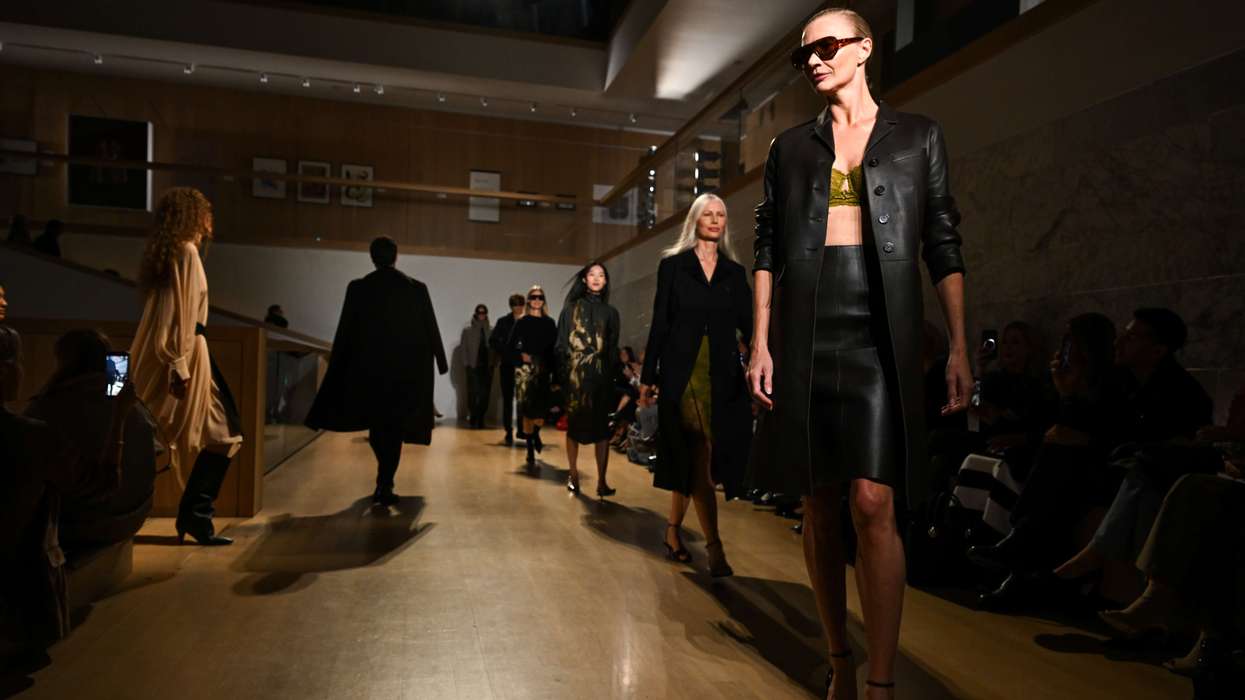
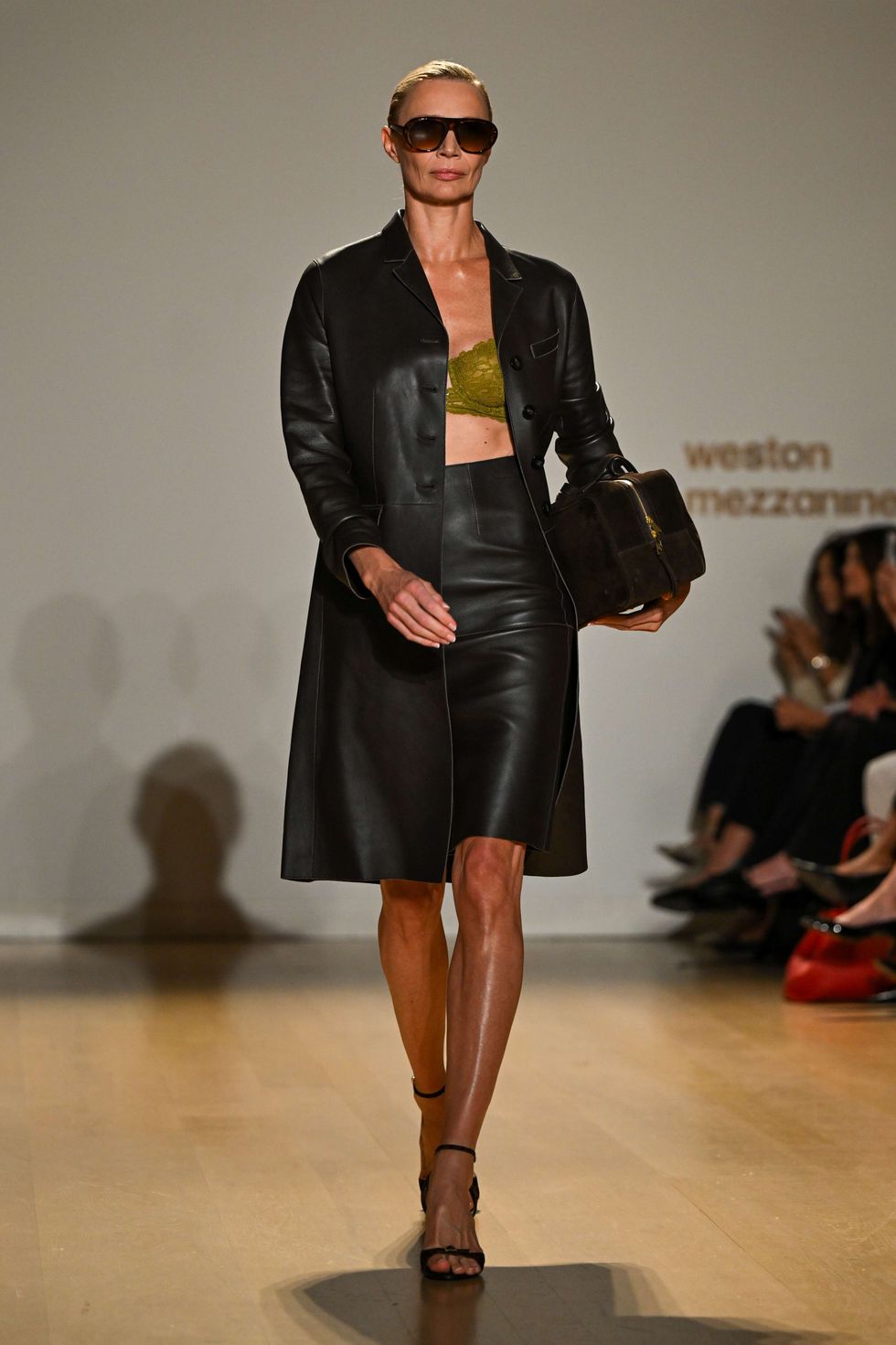 Jodie Kidd walks the runway at the M&S show Getty Images
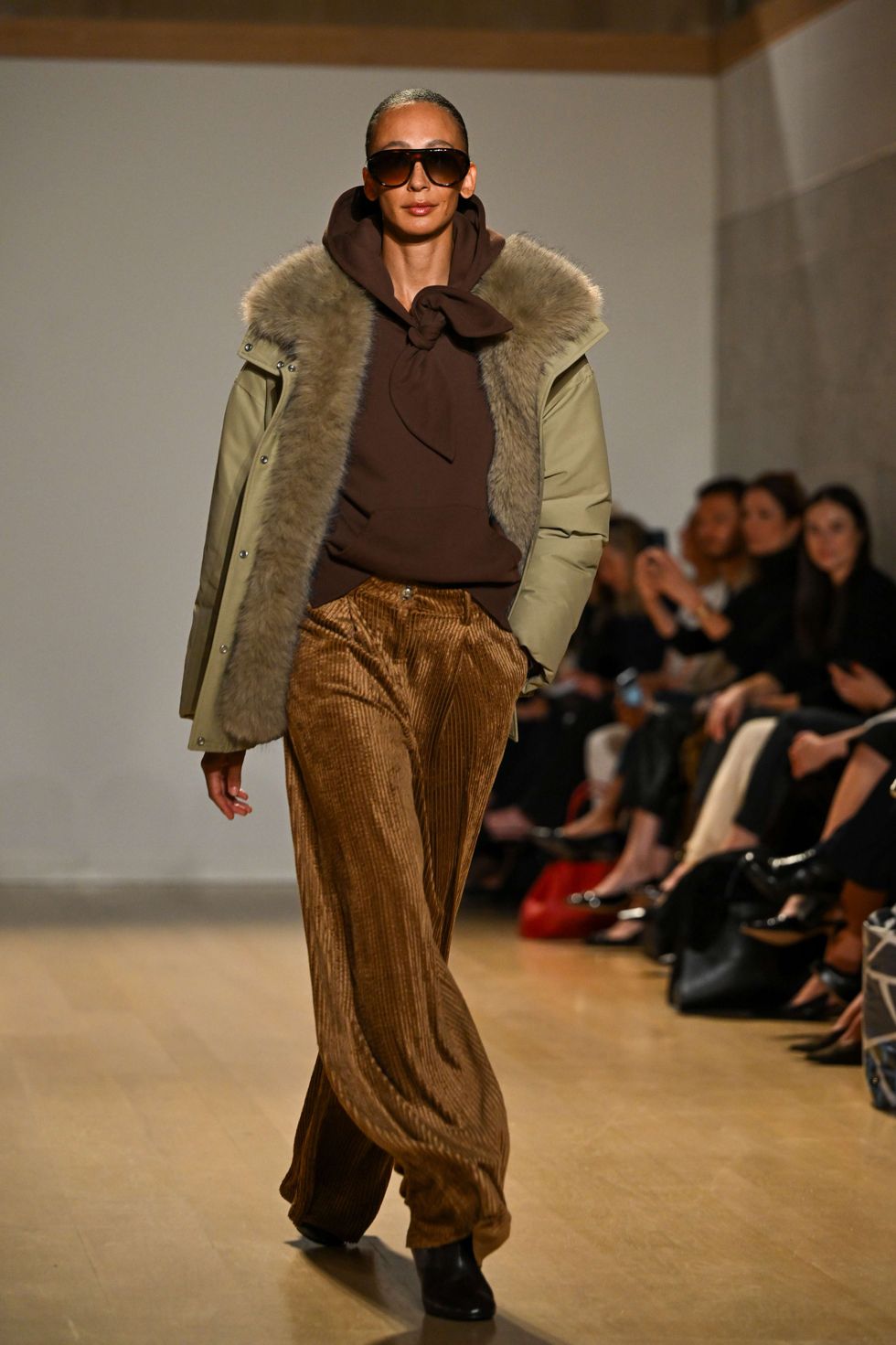 The accessible pricing was central to M&S's messageGetty Images
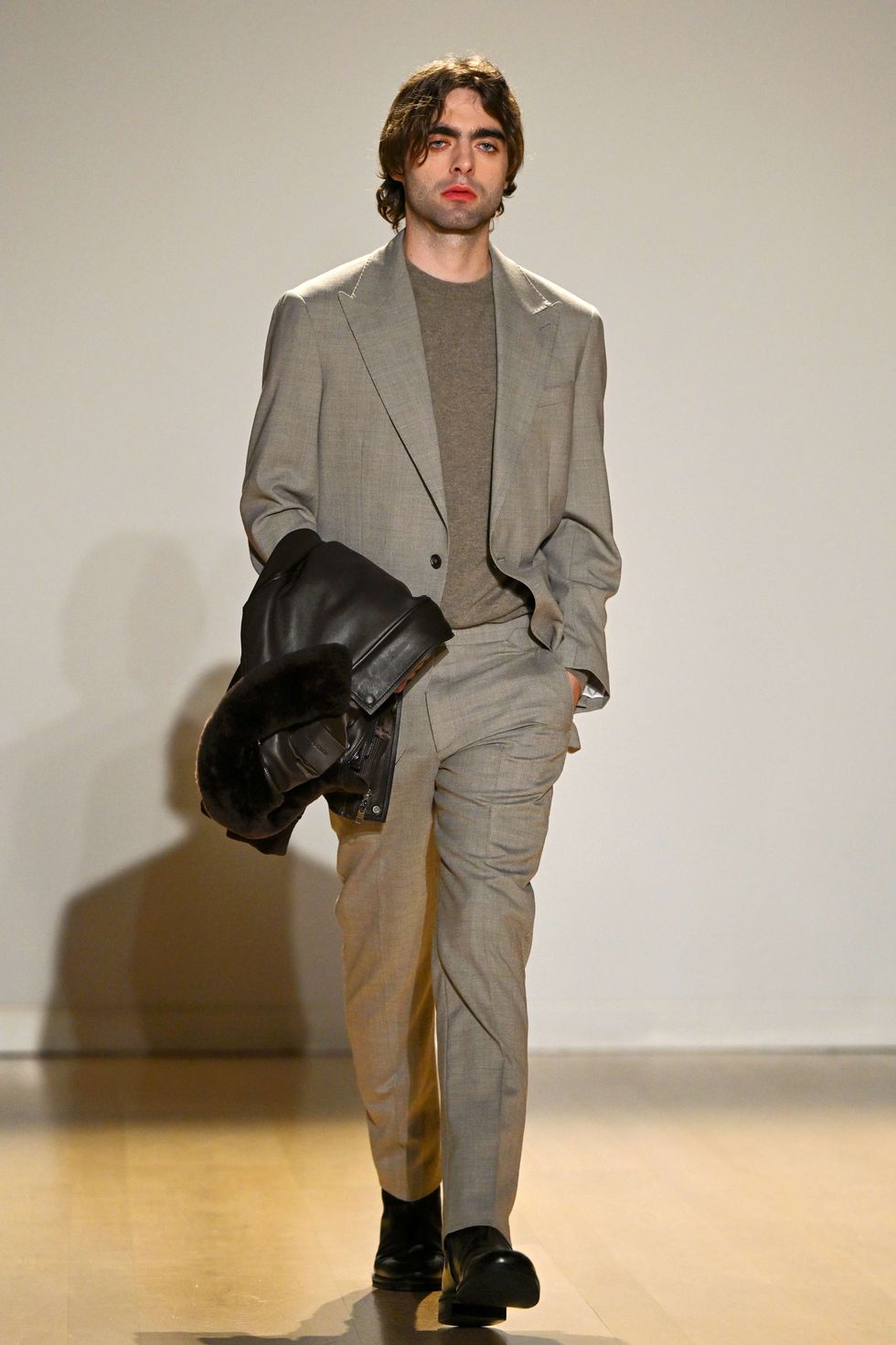 Lennon Gallagher walks the runway at the M&S showGetty Images