
Highlights
- Some long-haul operations to move from Delhi to Mumbai; Bengaluru lined up as third hub
- More wide-body aircraft to be ordered to boost international connectivity
- Loss widened to more than £1.7 billion in 2025-26
- CEO says the turnaround could take up to 20 years
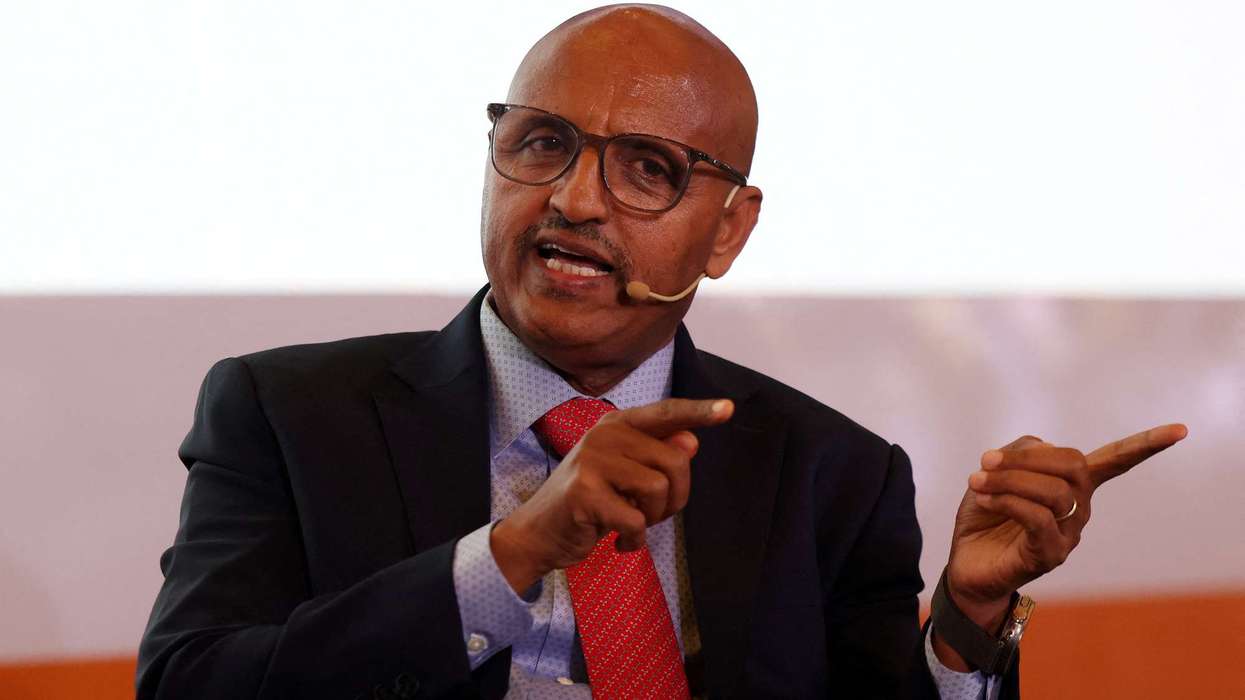
AIR INDIA will move some long-haul operations away from Delhi and order more wide-body aircraft, its new chief executive said. The carrier is trying to recover from heavy losses and regain its share of overseas markets.
Tewolde Gebremariam, CEO and managing director of the Tata Group-owned airline, said the closure of Pakistan's airspace hit its network to Europe and the US hardest, and that Delhi was more affected than Mumbai.
As part of a “rebalancing” of the network, some operations will be shifted to Mumbai, with Bengaluru being looked at as a third hub.
Speaking on Tuesday (3) at the Aviation India and South Asia 2026 conference in New Delhi, his first public event since taking charge, Gebremariam said the airline was punching below its weight and that this would change.
Air India’s loss widened to more than £1.7 billion in the 2025-26 financial year. The airline has faced rising fuel prices, geopolitical problems in the Middle East and the airspace closure, which has affected its long-haul flights.
Gebremariam said profitability was a concern, but that the airline had huge long-term opportunities. He said he was more impatient than the shareholders to make Air India profitable.
“We have the unique problem of the Pakistan airspace closure... but I put all these problems as short-term headwinds or turbulence that we need to navigate so that we emerge stronger for our future, for the long-term future growth,” he said.
Cutting costs
The CEO said reducing costs was the priority, and that several measures were under way.
“Most of our network, unfortunately, in Europe and America, has been affected by the airspace closure. So, Delhi is more affected than Mumbai,” he said.
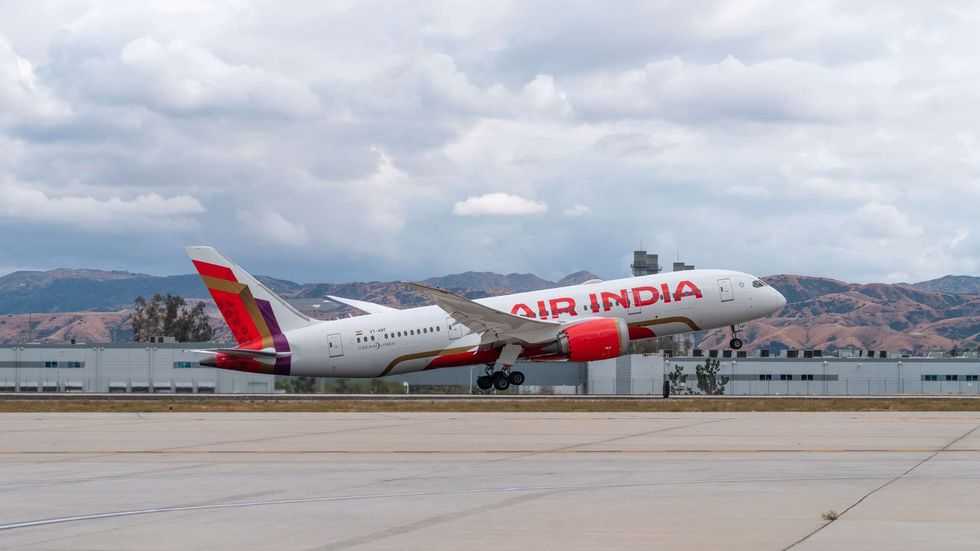 Air India currently operates 171 aircraftAir India
Air India and its low-cost arm, Air India Express, will also be brought closer together to drive efficiency and synergy, including shared corporate functions.
In October, the airline set up a multidisciplinary team to identify cost-saving opportunities. Gebremariam urged staff to adopt a mindset of frugality and accountability.
Bigger fleet
Air India currently operates 171 aircraft, including 61 wide-bodies: Airbus A350s, Boeing 787s and Boeing 777s. It has placed orders for 600 planes, of which around 540 are still to be delivered, including nearly 70 wide-body aircraft.
The airline now plans to order more wide-body jets to strengthen its international network.
“In fact, more growth may come from the full-service (operations) wide-body (operations) because the opportunity there is much bigger,” Gebremariam said.
He added that Air India Express would also grow. “We want to position these brands to the customer of all segments in the market,” he said.
Gebremariam previously implemented a transformation plan at Ethiopian Airlines that spanned around 15 years. Asked whether a similar timeframe could apply at Air India, he said the transformation would be long-term and joked that it could take even 20 years.
He said India could become a global aviation hub “if the right thing is done at the right time”.
(with inputs from PTI)