
- UK nurse Agimol Pradeep wins global award for tackling South Asian organ donation gap
- Beat 134,000 entrants from 214 countries in award's biggest-ever year
- Her initiative Upahaar has registered over 10,000 South Asian stem-cell donors since 2012
- Will use $250,000 prize to expand her work and fund nursing education
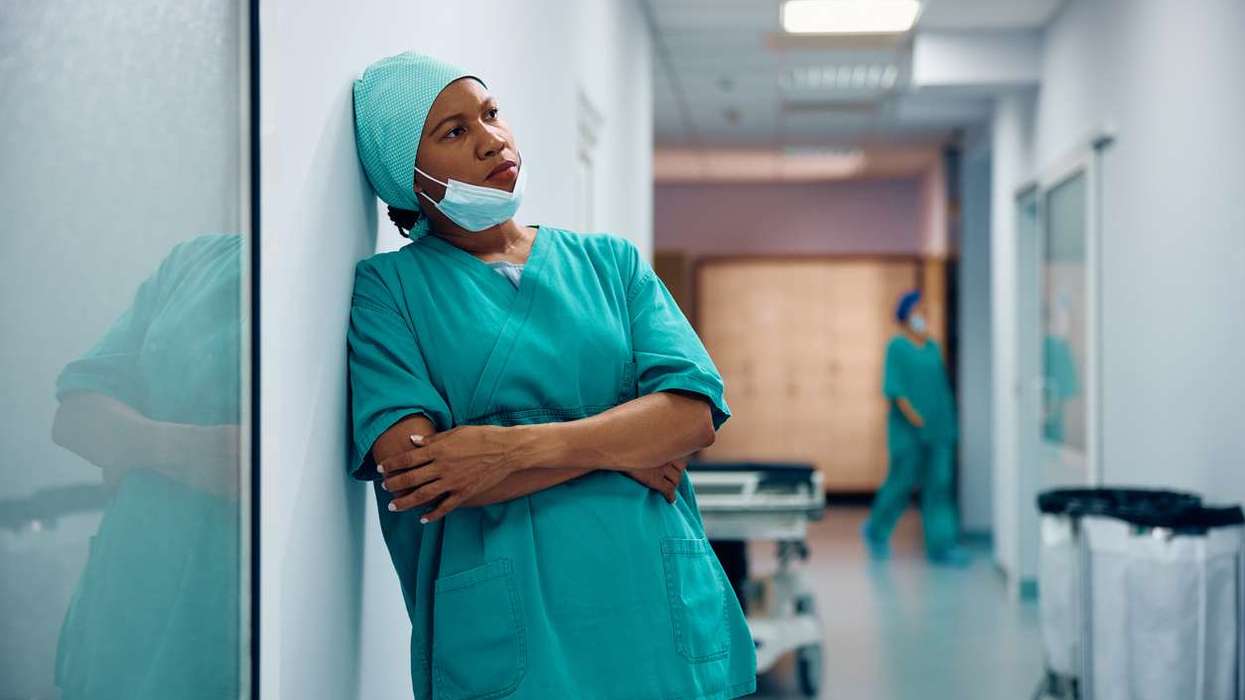
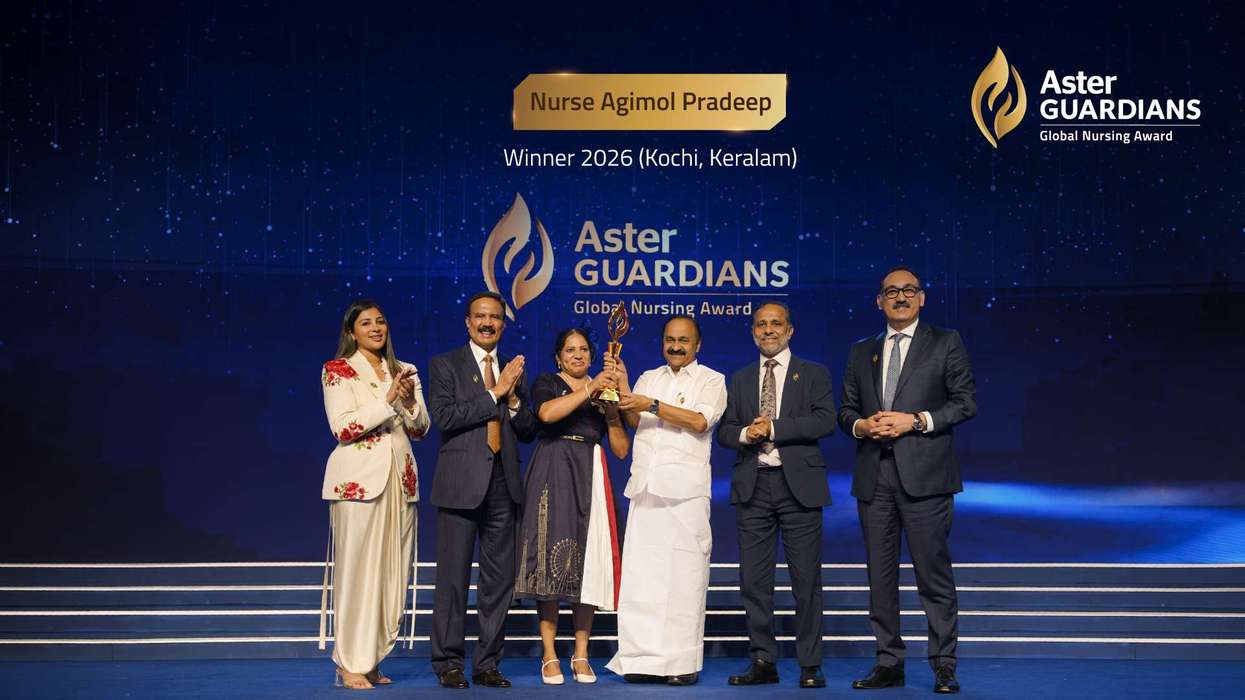
A UK-BASED nurse who has spent over a decade tackling low rates of organ and stem-cell donation among South Asian communities has been named the world's best nurse, winning the Aster Guardians Global Nursing Award 2026 and a $250,000 prize.
Agimol Pradeep, a senior transplant coordinator at King's College Hospital and honorary senior lecturer at the University of Salford, was chosen from among 134,000 registrations across 214 countries and economies, in the award's largest-ever field.
She was celebrated at a ceremony in Kochi on Saturday, attended by Kerala chief minister VD Satheesan and senior healthcare and nursing leaders.
Her mission began when an Asian patient in the UK asked her whether his ethnicity played a role in his more than three-year wait for a kidney transplant, while others appeared to receive one within months.
The question stayed with her and led her to investigate wider disparities in transplant access affecting South Asian patients.
"If I didn't know the depth of it, how do I expect my patients to know about it?" Pradeep said, recalling the moment that inspired her to dig deeper.
Her research into South Asian patients and families found that low donor registration was not down to a lack of willingness, but a lack of information.
She uncovered myths, religious concerns and misplaced fears holding people back — including worries that treatment would suffer, that signing up could put their own life at risk, and concerns about organ trafficking.
"It is all about people knowing about it," she said, stressing the need to make conversations around donation more normal, and adding that awareness should begin in schools.
In 2012, she joined clinicians and community members, including kidney donor and advocate Father Davis Chiramel, to launch Upahaar, an initiative promoting organ and stem-cell donation specifically within South Asian communities.
What began as a small group has grown to around 100 volunteers, and the initiative has now registered more than 10,000 stem-cell donors — each one a potential lifeline for patients with blood cancers, for whom genetic compatibility within their own community can be critical to finding a match.
The response has been largely positive, Pradeep said, with around 80 per cent of people at community events welcoming once their concerns are addressed, particularly among younger people. "Create an open space for conversation that will give you a positive result," she said.
Her impact extends beyond donor awareness. Pradeep contributed to regulatory changes allowing internationally trained nurses to return to the UK workforce, helping ease nursing shortages — work that, alongside her transplant advocacy, earned her the British Empire Medal.
She plans to put half her prize money into expanding Upahaar to more communities and countries, with the rest funding nursing education to encourage more nurses to become advocates.
"Winning the Aster Guardians Global Nursing Award is an extraordinary honour, but more importantly, it gives me an opportunity to take a lifetime of work further," Pradeep said.
Her goal remains ensuring that a person's chance of a life-saving transplant is never determined by their ethnicity or community.
(With inputs from agencies)