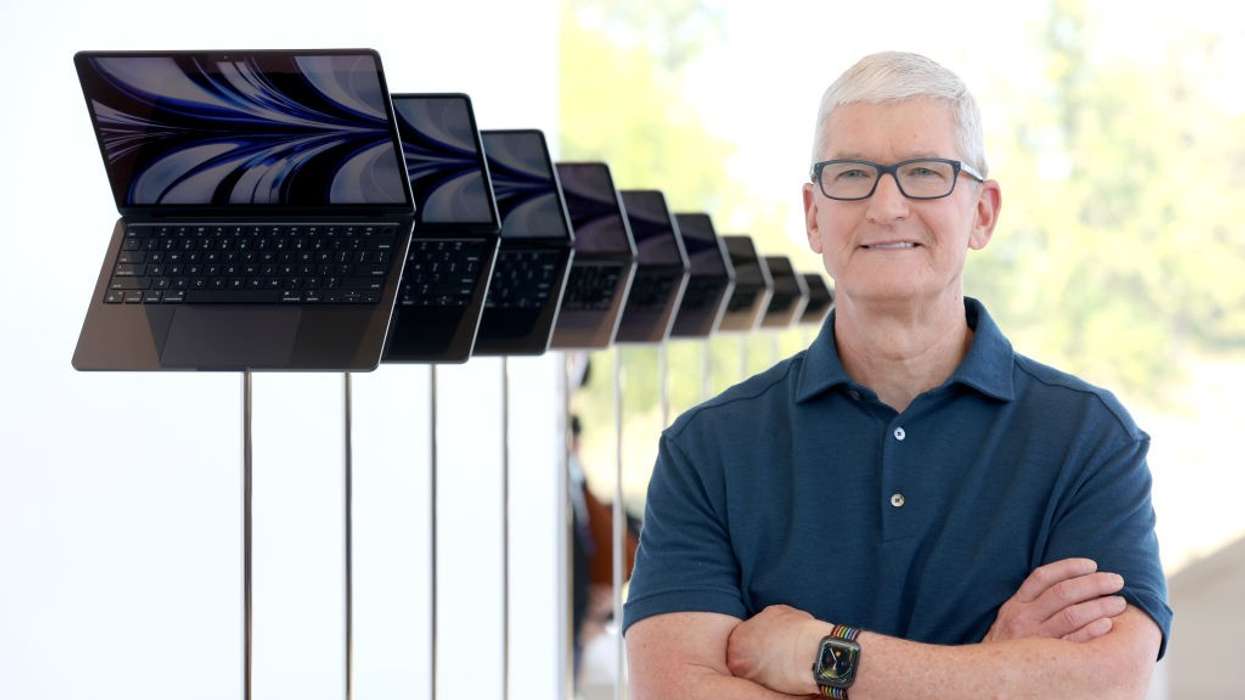

- Tim Cook to step down on September 1, 2026, will remain executive chairman
- John Ternus to take over as CEO after leading Apple’s hardware division
- Cook era defined by ecosystem expansion, services growth and in-house technology
Tim Cook will step down as chief executive on September 1, 2026, ending a tenure that lasted nearly 15 years. He will move into the role of executive chairman, continuing to influence the company’s direction.
Cook, who took charge from Steve Jobs in 2011, is handing over to John Ternus. A long-time insider, Ternus has been closely involved in Apple’s product development and hardware roadmap.
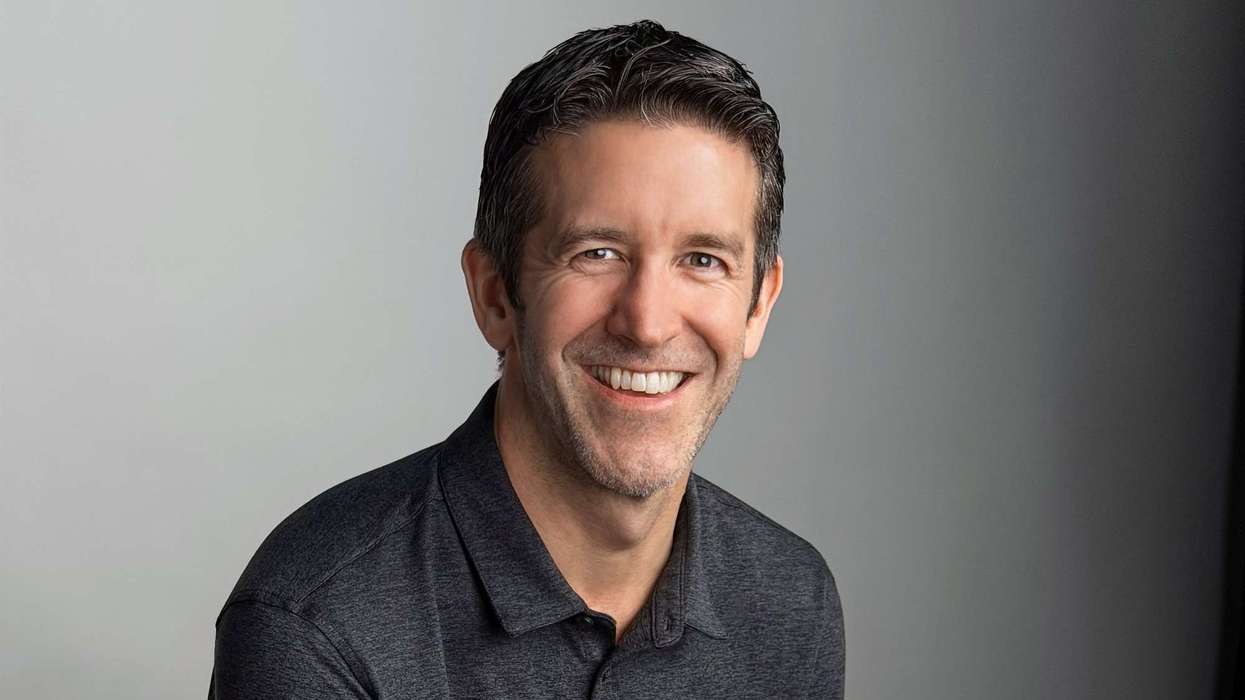 John TernusX handle/The Apple Hub
In a letter to users, Cook reflected on his time at Apple in a personal tone. He described the role as “the best job in the world” and spoke about the messages he received from customers over the years. He wrote that users often shared how Apple products had become part of their daily lives, as quoted in a news report.
He also made it clear that this is not a complete exit. “This is not goodbye,” he said, signalling that he will remain closely connected to the company even after stepping down.
The products and bets that built Apple under Tim Cook
When Cook became CEO, Apple was already a product-driven company centred around the iPhone. What changed over the years was the structure behind that success. Apple moved from relying on a few flagship devices to building a tightly connected system where hardware, software and services worked together.
(i) Wearables became a serious revenue stream
The Apple Watch, launched in 2015, was Apple’s first major new category after the iPad. Over time, it moved beyond being an accessory and became a health-focused device. Features like ECG monitoring and blood oxygen tracking positioned it closer to healthcare, opening new use cases and keeping users engaged beyond the iPhone.
AirPods, introduced in 2016, changed how people used audio. The removal of the headphone jack initially drew criticism, but it pushed users towards wireless devices. This shift helped Apple dominate the wireless audio segment and created a new high-margin product category.
(ii) iPhone strategy shifted to segmentation and pricing power
The iPhone X in 2017 marked a design reset with Face ID and a full-screen display. But the more important shift came after that. Apple moved to a multi-model strategy, introducing standard, Pro and Pro Max variants.
This allowed the company to target different price segments while encouraging users to move towards higher-priced models. It strengthened margins and reduced the risk of relying on a single flagship device each year.
(iii) Apple Silicon changed the company’s control over technology
In 2020, Apple replaced Intel processors in Macs with its own chips, starting with the M1. This was not just a performance upgrade. It gave Apple control over both hardware and software at a deeper level.
Devices became faster and more power efficient, but the bigger advantage was strategic. Apple could now align its chip development with its product roadmap without depending on external suppliers. This also allowed features like running iPhone apps on Macs, further strengthening the ecosystem.
(iv) Services turned into a stable and growing business
Under Cook, Apple built a strong services division. This includes Apple Music, Apple TV Plus, Apple Pay, iCloud, Apple Arcade and Apple News Plus.
The company also introduced Apple One, which bundles these services into a single subscription. This created recurring revenue and reduced dependence on hardware sales. It also made it harder for users to leave the ecosystem once they were subscribed across multiple services.
(v) Privacy became a competitive advantage
Apple positioned privacy as a key feature. The introduction of App Tracking Transparency required apps to seek permission before tracking users. This move affected the digital advertising industry and set Apple apart from competitors that rely heavily on user data.
It also reinforced Apple’s image as a company focused on user control and security.
(vi) Everyday products strengthened ecosystem lock-in
Devices like AirTag expanded Apple’s presence into daily routines. By using the Find My network, Apple created a system where even small objects could be tracked within its ecosystem.
This may seem like a minor addition, but it increased user dependence on Apple’s platform in subtle ways.
(vii) Operations and supply chain became a silent strength
Cook’s background in operations shaped Apple’s supply chain strategy. The company built one of the most efficient global supply networks, allowing it to scale production while maintaining margins.
Retail expansion also played a role. Apple Stores became more than sales points. They acted as experience centres that reinforced the brand and supported direct customer engagement.
(viii) AI built into devices, not marketed loudly
Apple invested in on-device intelligence through its Neural Engine. This powers features like photography, voice assistants and personalisation without sending large amounts of data to the cloud.
While Apple has not positioned itself as a leader in AI messaging, the technology is deeply integrated into its devices.
(ix) A move into spatial computing
With Vision Pro in 2024, Apple entered a new category. The device allows users to interact with apps using eye movement, gestures and voice. Instead of a traditional screen, it offers a digital space where multiple apps can be used simultaneously.
This signals Apple’s interest in what could become the next computing platform, although its long-term impact remains uncertain.
Cook’s leadership did not revolve around one defining product moment. Instead, it was built on expanding what Apple already had and connecting it more tightly.
By the time he steps down, Apple has moved from being a product-led company to an ecosystem-driven business. The next phase will depend on whether that ecosystem can evolve further or whether a new breakthrough is needed.