Skip to content
Search

Latest Stories

Submit Guest Post

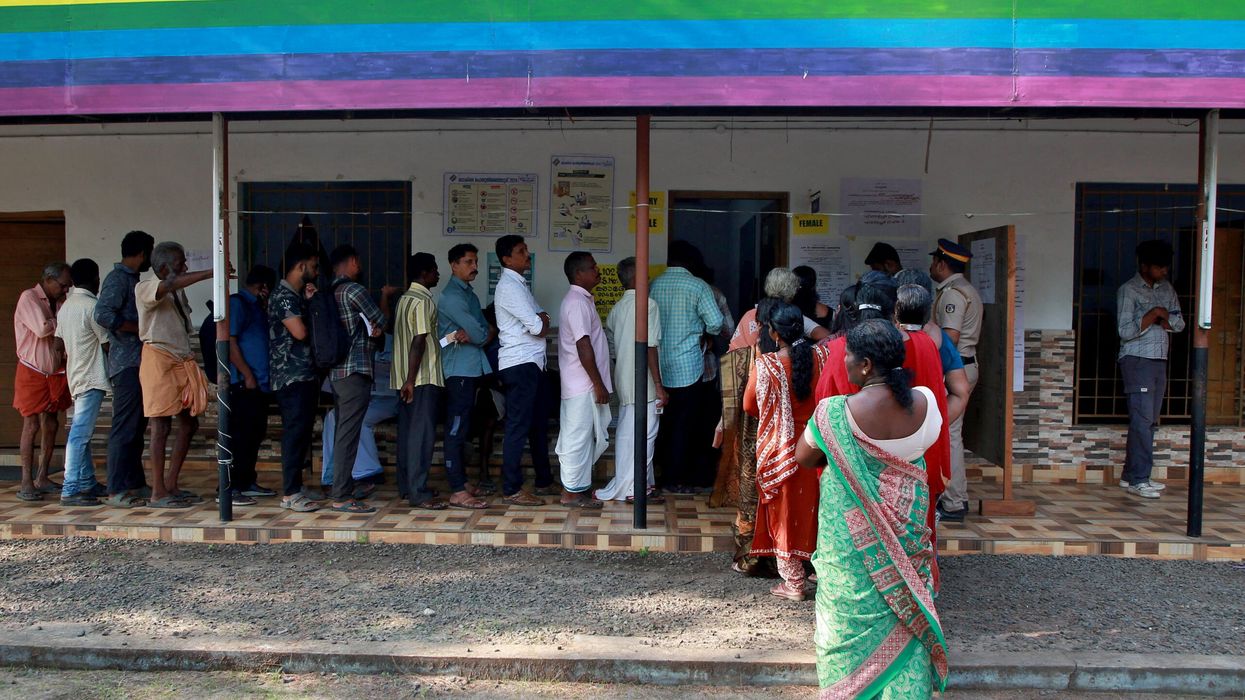
642 million voters cast ballots during Indian election

The seven-phase 2024 election began on April 19 and was held in scorching summer heat in many parts of the country, with temperatures rising to nearly 50 degrees Celsius

642 million voters cast ballots during Indian election

INDIA'S Election Commission said on Monday that 642 million of the 968 million registered voters cast their ballots in the general election that concluded on June 1.

Although the number is higher than the 612 million voters who cast their ballots in the previous election in 2019, it is about one percentage point lower than the 67.4 per cent turnout five years ago.


The seven-phase 2024 vote began on April 19 and was held in scorching summer heat in many parts of the country, with temperatures rising to nearly 50 degrees Celsius (122°F) in some north and northwestern regions.

The voter turnout was possibly lower in the initial phases because there was no single major issue to draw voters out, analysts said, as Prime Minister Narendra Modi sought a rare, third consecutive term.

Modi's Bharatiya Janata Party (BJP)-led alliance is projected to win a big majority, TV exit polls said on Saturday, ahead of the counting on Tuesday.

Read Also: Biopic on India’s first Chief Election Commissioner announced

Addressing a press briefing, Chief Election Commissioner Rajiv Kumar said nearly 400,000 vehicles, 135 special trains and 1,692 air sorties were used for conducting the 2024 Lok Sabha elections.

He said that Jammu and Kashmir recorded its highest turnout in four decades at 58.58 per cent overall and 51.05 per cent in the Valley.

The number of repolls were down to 39, as against 540 repolls in 2019, he said. (Agencies)

Add EasternEye As Your Trusted Source
preferred source on google news

More For You

Fruits and vegetables

Britain’s reliance on imported fruit and vegetables could make food prices more vulnerable to climate shocks

iStock

Britain’s fruit bowl could be at risk as climate change hits the countries it relies on

  • Around 40 per cent of Britain’s food is imported, including 80 per cent of its fruit.
  • The UK is already seeing domestic crops affected by heatwaves, drought and wildfires.
  • Researchers warn climate pressures could make fresh food more expensive and harder to secure.

Britain is increasingly exposed to that risk because it relies heavily on imported fruit and vegetables, including from countries that are themselves facing growing pressure from rising temperatures, drought and extreme weather.

Around 40 per cent of the UK's food is imported, according to a new report from the Food Foundation. The figure rises to 80 per cent for fruit and 47 per cent for vegetables, leaving Britain particularly dependent on overseas growers for some of the fresh foods people buy most often.

Keep ReadingShow less