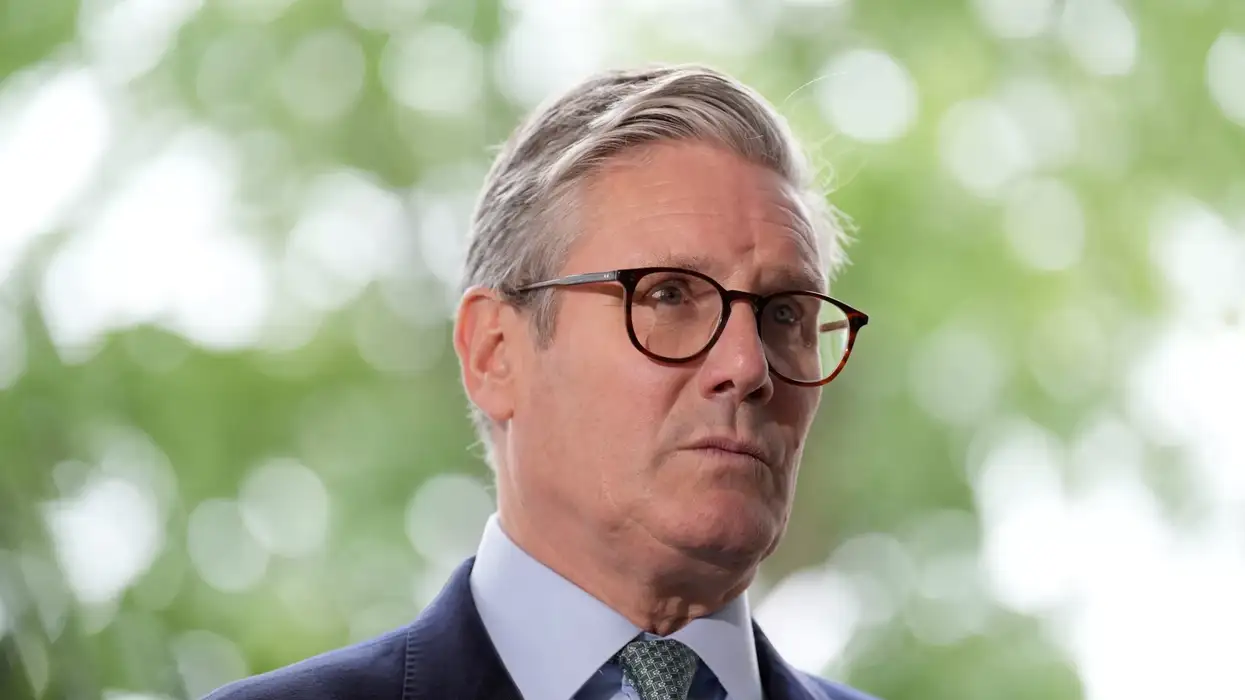

UP TO 50 Labour MPs may rebel against the government's proposal to cut the winter fuel allowance, despite Keir Starmer urging backbenchers to support the policy, which he admitted is "unpopular."
According to The Guardian, while few government MPs are expected to vote against the measure, many Labour MPs are considering abstaining or being absent from Tuesday's vote. It is believed that if a rebellion occurs, the numbers will be difficult to predict.
In July, seven Labour MPs had the whip suspended for supporting an SNP amendment to lift the two-child benefit cap. A similar action is expected if a rebellion happens on Tuesday.
One Labour MP said that most rebels would likely abstain instead of voting against the policy. "Abstention is the new rebellion. It's better to do this than jump off a cliff," the MP said.
The policy, designed to strip the winter fuel allowance from all but the poorest pensioners, has raised concerns among Labour MPs. Although there is no risk of the vote being lost, a significant number of absences would highlight the dissatisfaction surrounding the policy. One MP described the situation as "a sh**show."
Starmer and No. 10 have refrained from commenting on possible disciplinary action ahead of the vote. In an interview with the BBC, Starmer said it would be up to the chief whip to decide whether rebels would face consequences.
Starmer defended the cuts as a necessary part of addressing the country's £22bn fiscal deficit. He contrasted Labour's willingness to make tough decisions with what he called the Conservative government's avoidance of difficult choices. He acknowledged the impact on some pensioners but pointed to the continued protection offered by the triple-lock pension policy, which ensures state pension increases will outpace the winter fuel payment reduction.
Health secretary Wes Streeting admitted that the policy has been met with strong opposition. "I'm not happy about it... but we can’t afford to avoid tough decisions now," he told The Guardian.
Twelve Labour MPs have expressed alarm over the cuts by signing an early-day motion. Among the signatories is John McDonnell, who indicated he would rebel again unless a plan to mitigate the impact on vulnerable constituents is introduced.
There has been speculation about the government offering additional support, but No. 10 officials have said no further measures are planned beyond the extension of the household support fund and encouraging pensioners to apply for pension credit.
However, some MPs argue that these measures will not be sufficient, citing difficulties in accessing pension credit and the limited impact of the household support fund.
Chancellor Rachel Reeves is expected to address MPs on Monday evening to emphasise the need for fiscal sacrifices. However, many backbenchers remain concerned about the political consequences of supporting the cuts, which they fear could alienate Labour voters.